Cat Litter Box Guide: Proven Tips to Stop Odors & Mess Fast
If you live with a cat, the cat litter box is more than just a plastic container-it’s a cornerstone of your cat’s comfort, hygiene, and emotional well-being. Choosing and maintaining the right setup can make the difference between a peaceful home and constant messes. According to the American Pet Products Association, over 66% of U.S. households own at least one cat, and nearly all rely on a cat litter box daily to manage indoor pet hygiene. That’s a huge number of boxes being scooped every single day.
Think of the litter box as your cat’s private bathroom. If it’s uncomfortable, smelly, or poorly placed, your cat won’t hesitate to protest-often on your carpet. That’s why understanding how a cat litter box works, what cats prefer, and how to optimize it is essential for every cat parent.
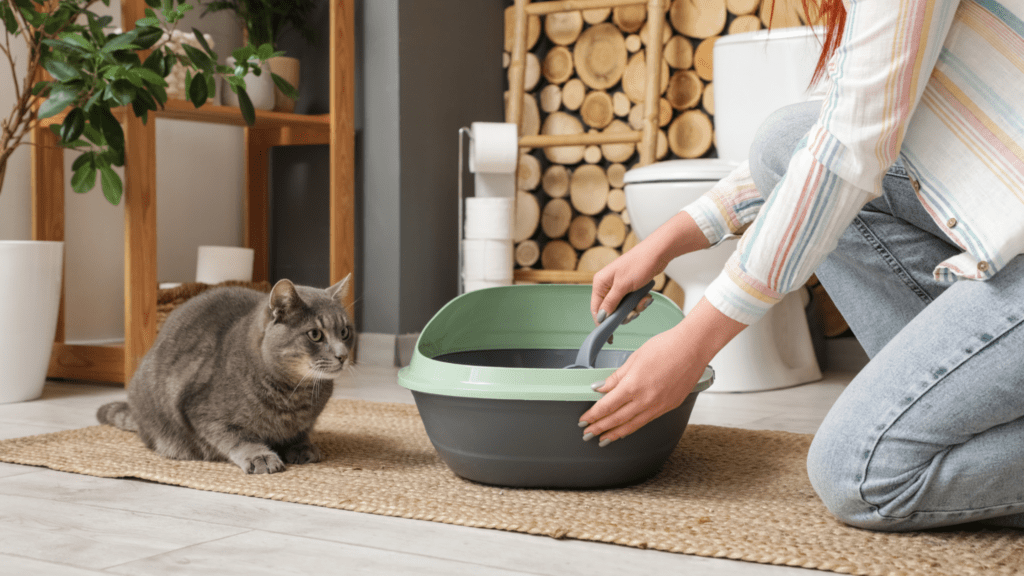
Why the Right Cat Litter Box Matters
Cats are famously clean animals. In the wild, they instinctively bury waste to hide scents from predators. A cat litter box taps into that instinct, but only if it meets their expectations. A box that’s too small, too dirty, or too noisy can cause stress, anxiety, and even health issues.
From an owner’s perspective, the right cat litter box also reduces odor, minimizes litter tracking, and makes cleaning easier. It’s a win-win situation when both human and cat are happy. Ignoring this can lead to behavioral issues like inappropriate urination, which is one of the top reasons cats are surrendered to shelters.
Interesting Stats About Cat Litter Box Usage
- A 2023 survey by Statista revealed that over 90% of indoor cats rely exclusively on a cat litter box for elimination, making it one of the most-used pet products worldwide. Source: Statista
- According to the ASPCA, cats are 30% more likely to avoid a dirty litter box, leading to stress-related behaviors and health risks.
These stats highlight how crucial cleanliness and design truly are.
Types of Cat Litter Box Explained
Open Litter Boxes
Open boxes are the most common and budget-friendly option. They offer easy access and good airflow, which many cats prefer. These boxes are especially suitable for kittens, senior cats, or cats with mobility issues. However, they may allow odors to spread faster and can lead to more litter tracking.
Covered Litter Boxes
Covered boxes provide privacy and help contain odors. Many cats appreciate the enclosed space, while others feel trapped. If you choose this type, ensure it’s spacious and well-ventilated. Regular cleaning is critical, as smells can build up quickly inside.
Self-Cleaning Litter Boxes
These high-tech options automatically scoop waste after use. They’re great for busy owners but can be intimidating for noise-sensitive cats. Introduce them slowly and monitor your cat’s reaction. Despite the higher price, many owners find the convenience worth it.
Disposable Litter Boxes
Made from recyclable materials, disposable boxes are perfect for travel or temporary use. They’re lightweight and hygienic but not ideal for long-term use due to durability concerns.
Choosing the Perfect Cat Litter Box for Your Cat
Size and Shape Considerations
A good rule of thumb is that the cat litter box should be at least 1.5 times the length of your cat. Cramped boxes make cats uncomfortable and discourage proper use. Rectangular boxes generally offer more room to move and dig.
Age and Mobility Factors
Senior cats may struggle with high entry walls, while kittens need low sides for easy access. Arthritis, injuries, or obesity can all affect how your cat interacts with a cat litter box.
Multi-Cat Household Needs
Experts recommend one cat litter box per cat, plus one extra. This reduces territorial stress and prevents bullying. In multi-cat homes, placement matters just as much as quantity.
Best Placement Tips for a Cat Litter Box
Location is everything. Place the cat litter box in a quiet, low-traffic area where your cat feels safe. Avoid noisy appliances and never place it near food or water bowls. Cats value privacy but also want an easy escape route.
If your home has multiple floors, consider placing a box on each level. Convenience encourages consistent use.
How Often Should You Clean a Cat Litter Box
Daily scooping is non-negotiable. Waste should be removed at least once a day, while the entire cat litter box should be washed weekly with mild soap and warm water. Avoid strong chemicals, as cats have sensitive noses.
A clean box isn’t just about odor-it’s about trust. Your cat trusts you to keep their bathroom usable.
Common Cat Litter Box Problems and Solutions
Odor Issues
Persistent smells usually mean infrequent cleaning or poor-quality litter. Consider odor-absorbing litter and improve ventilation. Baking soda can help, but use it sparingly.
Litter Tracking
High-sided boxes or litter mats can significantly reduce mess. Switching to heavier litter granules also helps keep floors cleaner.
Cat Avoidance Behavior
If your cat suddenly stops using the cat litter box, it could signal stress or illness. Rule out medical issues first, then reassess box cleanliness, size, and location.
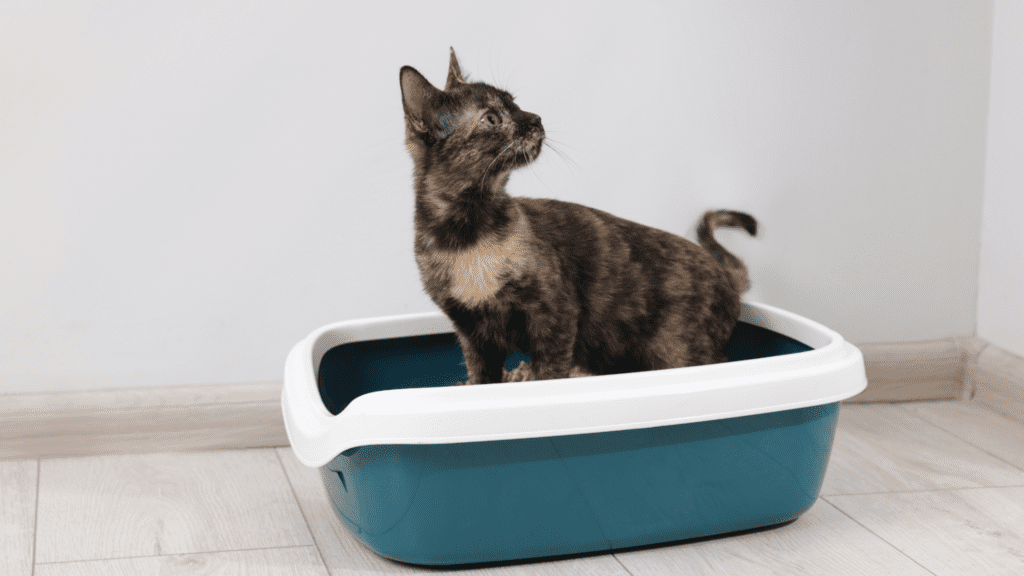
Cat Litter Box Training Tips for Kittens and Adults
Kittens usually learn quickly by instinct. Place them in the cat litter box after meals and naps. Adult cats may need retraining during transitions, such as moving homes. Consistency and patience are key—never punish mistakes.
Health Signs You Can Spot Using a Cat Litter Box
Changes in urine volume, stool consistency, or frequency can indicate health problems like urinary tract infections or digestive issues. The cat litter box is one of the best early warning systems for your cat’s health.
Eco-Friendly Cat Litter Box Options
Sustainable boxes and biodegradable litter are gaining popularity. Bamboo fiber boxes and plant-based litter reduce environmental impact while remaining effective. If sustainability matters to you, these options are worth exploring.
Mistakes to Avoid When Using a Cat Litter Box
- Using scented litter that overwhelms your cat
- Ignoring sudden behavior changes
- Placing the box in noisy or hidden areas
- Using a box that’s too small
Small mistakes can lead to big problems over time.
Expert Tips to Keep Your Cat Litter Box Fresh
- Scoop daily, no excuses
- Replace litter completely every 1–2 weeks
- Use unscented, clumping litter
- Wash the box regularly
- Observe your cat’s habits closely
Consistency beats fancy gadgets every time.
Conclusion
The cat litter box may seem simple, but it plays a massive role in your cat’s happiness, health, and behavior. By choosing the right type, placing it thoughtfully, and maintaining it consistently, you create a stress-free environment that benefits everyone in your home. Treat it with the importance it deserves, and your cat will thank you-quietly, of course.
FAQs
1. How many times a day should I scoop a cat litter box?
At least once daily, twice if possible.
2. Can I place a cat litter box in the bathroom?
Yes, as long as it’s quiet and accessible.
3. Why does my cat suddenly avoid the litter box?
It could be stress, illness, or dissatisfaction with cleanliness or location.
4. Do cats prefer open or covered litter boxes?
Preferences vary. Many cats prefer open boxes for visibility and airflow.
5. Is it okay to change the type of cat litter box suddenly?
Gradual changes are better to avoid stress.