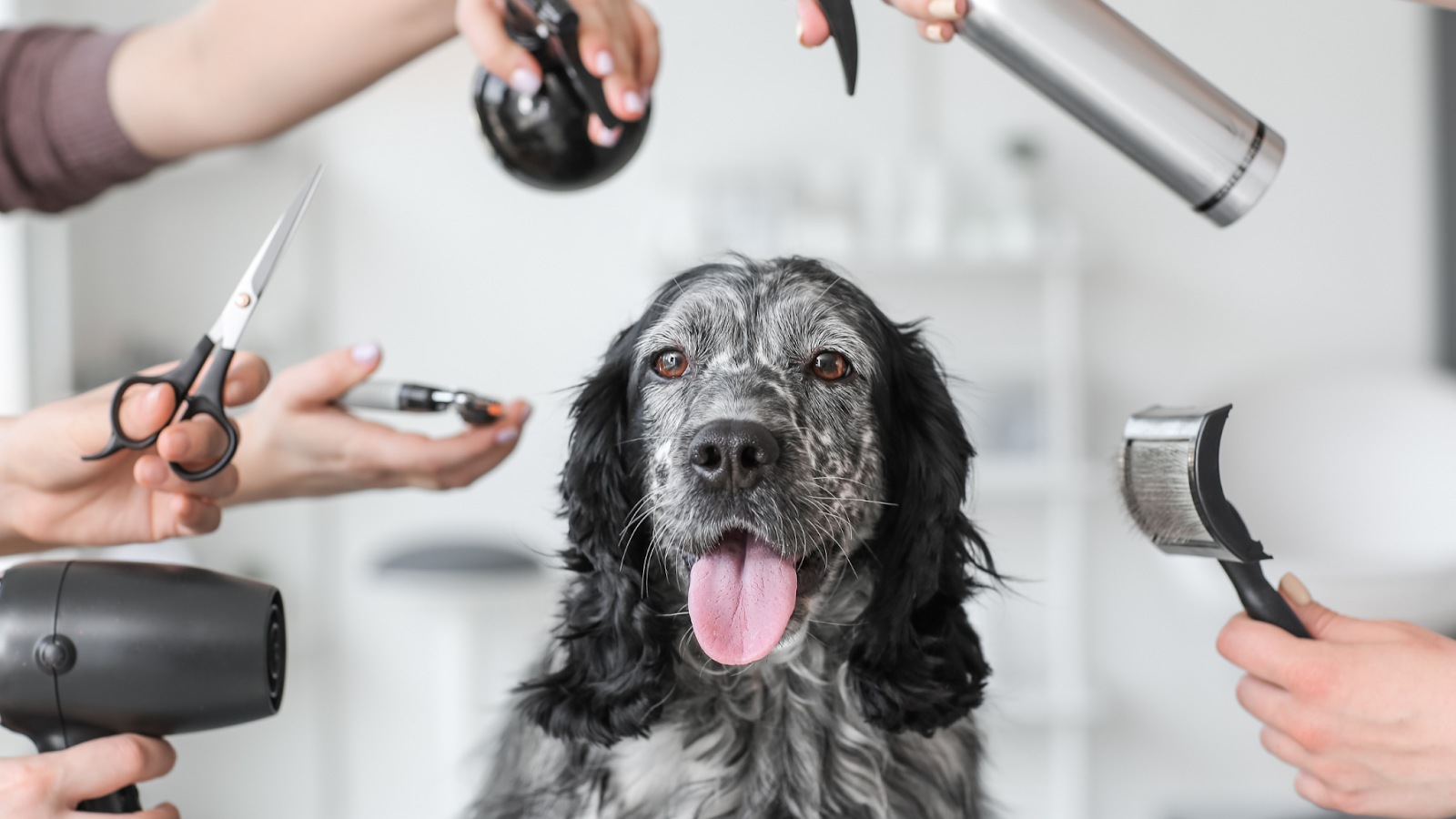
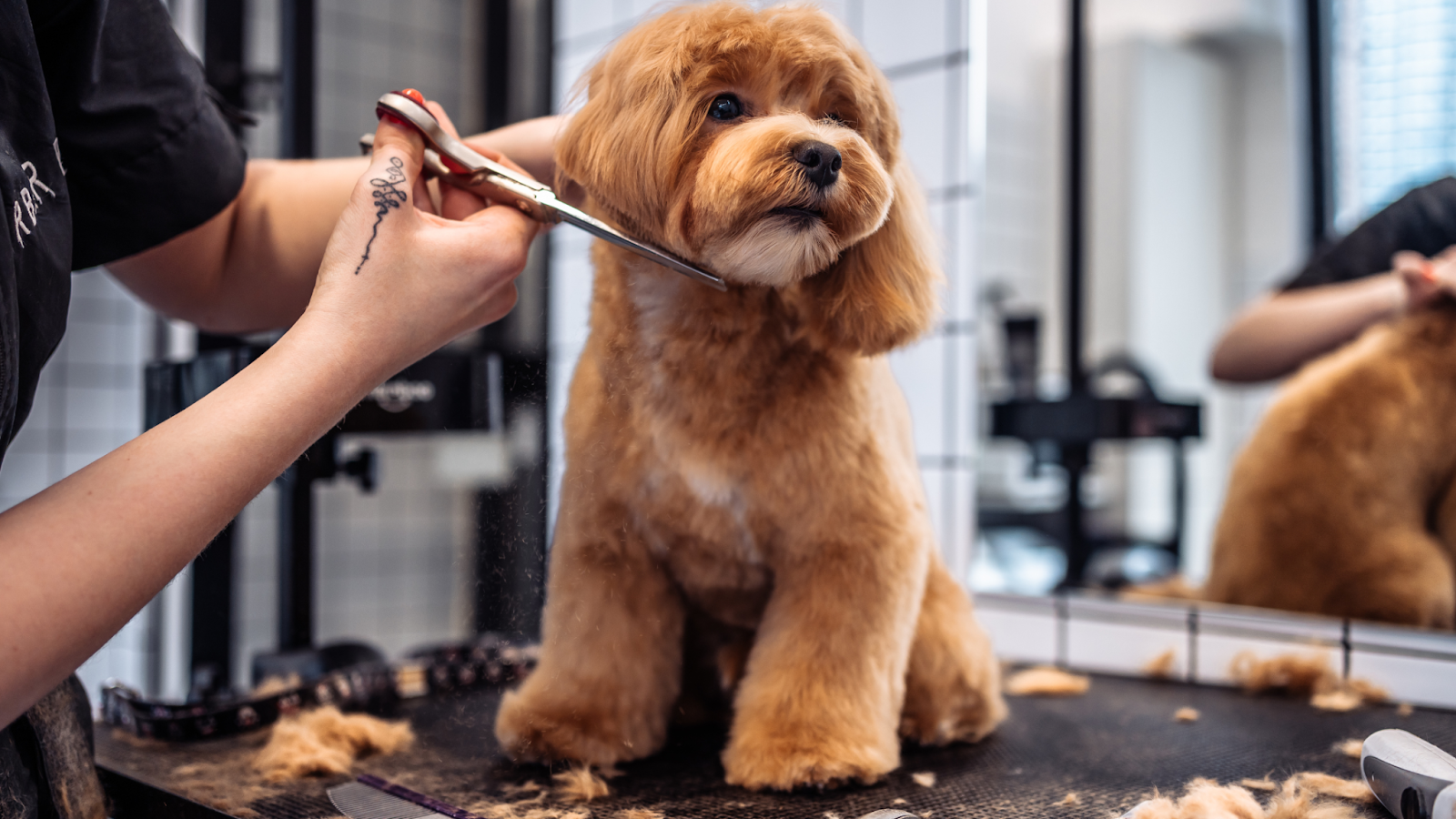
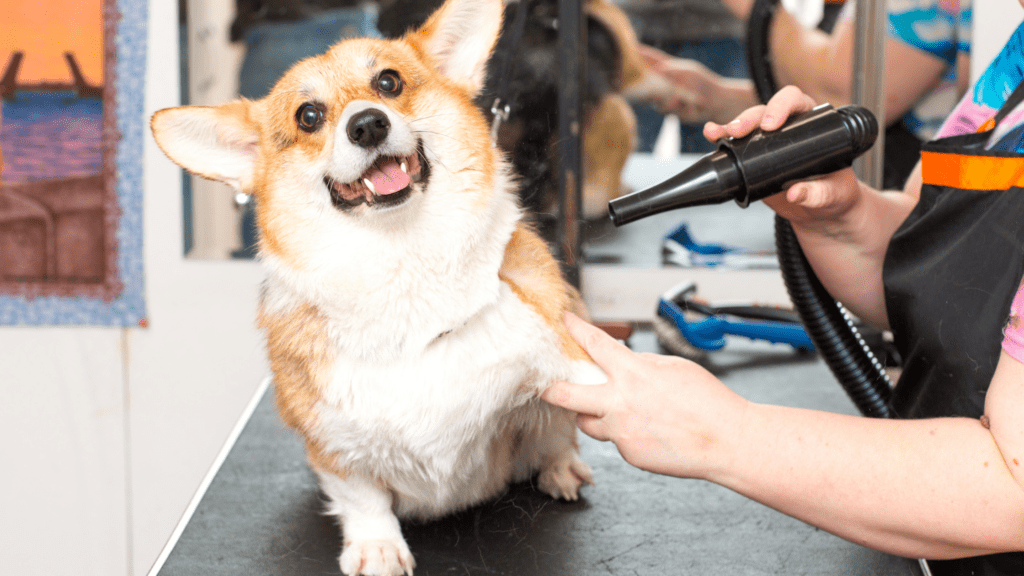
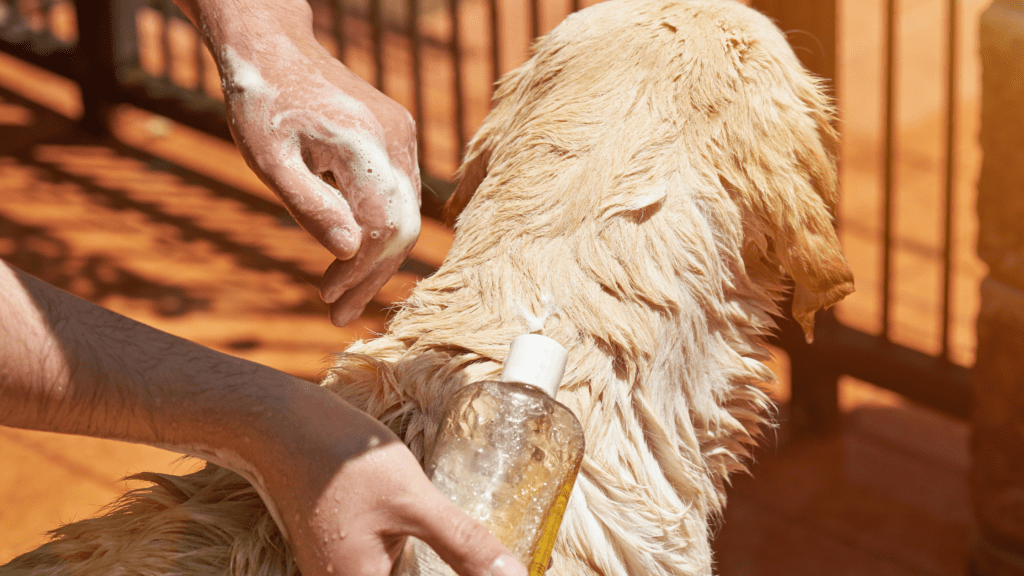
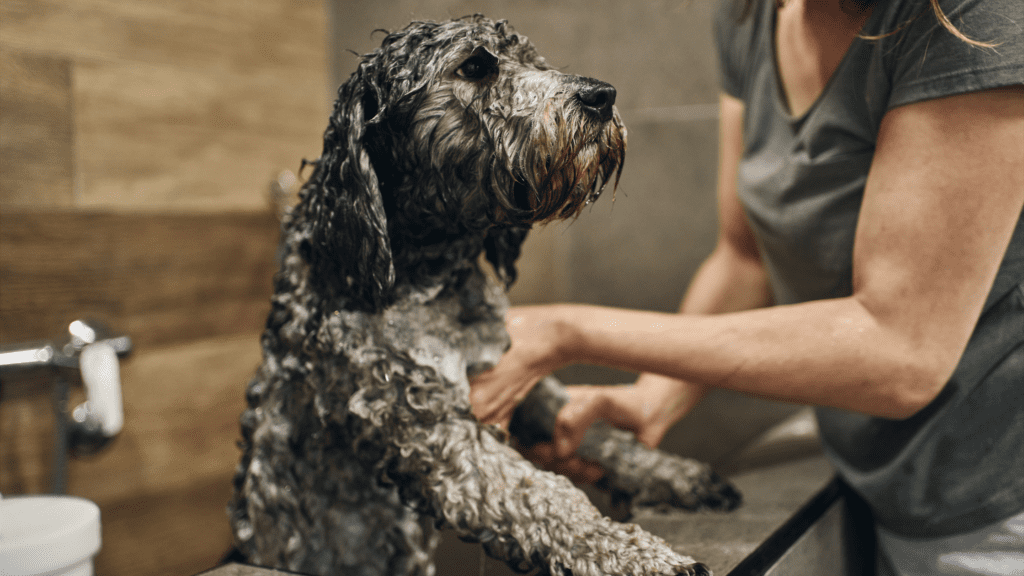
Shedding is a natural and essential process for most pets. It’s important for pet owners to understand the basics of shedding, including the reasons behind it, and how it varies among different breeds and seasons. This comprehensive guide aims to provide in-depth insights into managing shedding effectively.
Understanding the Types of Shedding
Seasonal Shedding: Many pets shed seasonally, usually in the spring and fall, in response to temperature changes.
Breed-Specific Shedding Patterns: Different breeds have unique shedding patterns. For instance, double-coated breeds tend to shed more heavily.
Factors Affecting Pet Shedding
Diet and Nutrition: Proper nutrition is key to maintaining a healthy coat and minimizing excessive shedding.
Health Conditions: Various health issues, including allergies and skin conditions, can cause abnormal shedding.
Environmental Factors: Changes in environment, like humidity and temperature, can affect a pet’s shedding pattern.
Practical Strategies for Managing Shedding
Regular Grooming: Routine brushing and bathing can significantly reduce shedding.
Appropriate Grooming Tools: Selecting the right brush or comb for your pet’s coat type is crucial.
Home Cleaning Tips: Regular cleaning, using vacuum cleaners and lint rollers, can help manage shed hair in your living space.
Nutritional Approaches to Control Shedding
Healthy Diet: Foods rich in proteins and omega-3 fatty acids can promote a healthier coat.
Supplements: Certain supplements, like fish oil, can be beneficial in reducing shedding.
Professional Grooming: When and Why
Choosing Professional Services: For some breeds, professional grooming is necessary to properly manage their coats.
Benefits of Professional Grooming: Professionals can handle complex grooming needs and provide tips for at-home care.
Dealing with Allergies Related to Shedding
Identifying Allergic Reactions: Some individuals may be allergic to pet dander, which is often found in shed hair.
Allergy Management Strategies: Regular cleaning and air purification can help reduce allergen levels in the home.
Innovative and DIY Solutions for Shedding
Latest Shedding Products: Exploring the market for advanced grooming tools and shedding control products.
DIY Home Remedies: Homemade solutions and tricks for managing shedding.
Recognizing Excessive Shedding and Its Implications
Normal vs. Excessive Shedding: Understanding the difference is crucial in identifying potential health issues.
Warning Signs: Unusual shedding patterns or hair loss can indicate health problems requiring veterinary attention.
Consulting a Veterinarian: Medical Perspectives on Shedding
When to Seek Veterinary Advice: Persistent excessive shedding might require a professional evaluation.
Medical Interventions: In some cases, medications or treatments may be necessary to control shedding.
The Emotional and Psychological Aspects of Pet Shedding
Coping with Shedding-Related Stress: Strategies for managing the frustration associated with pet hair in the home.
Understanding the Human-Pet Bond: Acknowledging the emotional connection can make managing shedding a more positive experience.
Eco-Friendly Approaches to Shedding Management
Sustainable Grooming Products: Choosing environmentally friendly grooming tools and products.
Reducing the Environmental Impact: Adopting practices that minimize waste and ecological footprint.
Community Engagement and Shared Experiences
Leveraging Community Knowledge: Joining pet owner forums and groups for tips and support.
Sharing Experiences and Tips: Learning from the experiences of other pet owners can offer new insights into shedding management.
Looking Forward: The Future of Shed Management
Trends and Innovations: Staying updated on new products and grooming techniques.
Research and Developments: Following scientific studies and research for a deeper understanding of pet health and shedding.
Conclusion: Embracing the Challenge of Pet Shedding
Managing pet shedding is a multifaceted task that encompasses understanding, patience, and the right techniques. By embracing this challenge, pet owners can ensure their pets are healthy and happy, while maintaining a clean and comfortable home environment.
FAQs
1. What are the best dietary changes to reduce pet shedding?
Incorporating foods high in omega-3 fatty acids, like fish or flaxseed oil, and ensuring a balanced diet with high-quality proteins can help reduce shedding.
2. How often should I groom my pet to control shedding?
The grooming frequency depends on your pet’s breed and coat type. Generally, brushing a few times a week is beneficial for most pets.
3. Are there any specific breeds that shed less?
Yes, some breeds are known for minimal shedding, such as Poodles, Bichon Frises, and certain terrier breeds.
4. Can excessive shedding be a sign of illness in pets?
Yes, excessive or unusual shedding can indicate health issues such as allergies, skin infections, or hormonal imbalances.
5. What are some effective home remedies for managing pet shedding?
Regular brushing, bathing with a deshedding shampoo, and maintaining a clean living environment are effective home strategies.
Dog owners often consider their furry companions as part of the family, and as such, ensuring their well-being is a top priority. One crucial aspect of pet care that is often underestimated is grooming. Beyond aesthetics, grooming plays a pivotal role in maintaining a dog’s overall health and happiness. In this comprehensive guide, we’ll delve deep into the Theory of 5 Dog Grooming, a holistic approach that covers all the essential aspects of dog grooming.
1. Introduction
Dogs bring boundless joy to our lives, and taking care of them goes beyond providing food and shelter. Grooming, in particular, is an integral part of canine care that encompasses not just physical appearance but also the overall health and comfort of your pet. The Theory of 5 Dog Grooming is a systematic approach that aims to address all the essential grooming needs of your furry friend.
2. Understanding the Theory of 5 Dog Grooming
The Theory of 5 Dog Grooming is a comprehensive philosophy that focuses on five key pillars of grooming, each vital in its own right. These pillars are bathing, brushing and combing, trimming and clipping, ear care, and nail care. By incorporating these elements into your dog’s grooming routine, you can ensure their well-being on multiple fronts.
3. The Five Pillars of Dog Grooming
Bathing
Bathing is not just about keeping your dog smelling fresh; it serves several crucial purposes. Regular baths help remove dirt, debris, and excess oils from your dog’s coat. It can also aid in the prevention of skin issues and fleas or ticks.
Brushing and Combing
Brushing and combing your dog’s coat serve more than just aesthetic purposes. It helps distribute natural oils, promoting a healthy and shiny coat. Additionally, it prevents matting, which can be uncomfortable and even painful for your pet.
Trimming and Clipping
Certain dog breeds require trimming and clipping to maintain their coat’s length and overall comfort. Improper grooming in this aspect can lead to overheating and skin issues.
Ear Care
The ears are often overlooked but require regular attention. Cleaning your dog’s ears helps prevent infections and discomfort. Ear problems can escalate quickly if left unattended.
Nail Care
Overgrown nails can cause pain and difficulty walking for your dog. Regular nail trimming is essential to prevent this issue. However, it’s crucial to trim them carefully to avoid cutting too close to the quick, which can cause bleeding.
4. The Benefits of Regular Grooming
Grooming is not just a matter of aesthetics; it’s about maintaining your dog’s physical and mental health. Regular grooming can:
Prevent Skin Issues: Removing dirt and excess oils through bathing can help prevent skin problems.
Promote a Healthy Coat: Brushing and combing distribute natural oils, leading to a shiny and healthy coat.
Prevent Overheating: Trimming and clipping can help keep your dog cool, especially in warm climates.
Ensure Comfortable Mobility: Proper nail care ensures your dog can walk without pain or difficulty.
5. Selecting the Right Tools and Products
To effectively practice the Theory of 5 Dog Grooming, it’s crucial to invest in the right tools and products. Consult your veterinarian or a professional groomer for recommendations tailored to your dog’s breed and specific needs.
6. The Step-by-Step Grooming Process
Grooming your dog requires a systematic approach to ensure you cover all the necessary aspects. Here’s a step-by-step breakdown:
Pre-Grooming Preparation
Before starting, ensure your dog is calm and comfortable. Brush their fur to remove any tangles or mats, making the process smoother.
Bathing Your Dog
Use a dog-specific shampoo and lukewarm water to bathe your pet. Be gentle and make sure to rinse thoroughly to avoid skin irritation.
Brushing and Combing
Brush and comb your dog’s coat to remove loose fur and prevent matting. This step also helps distribute natural oils, leaving their coat healthy and shiny.
Trimming and Clipping
If your dog’s breed requires trimming or clipping, do so carefully following guidelines specific to their breed.
Ear Care
Clean your dog’s ears using a dog-specific ear cleaner and cotton balls. Be gentle and avoid inserting anything too deep into the ear canal.
Nail Care
Trim your dog’s nails carefully, ensuring you don’t cut too close to the quick, which can cause bleeding.
7. Challenges in Dog Grooming and How to Overcome Them
While grooming your dog, you may encounter challenges such as matted fur, resistance, or fear of grooming tools. Patience and positive reinforcement are key in overcoming these challenges. Start with short grooming sessions and gradually increase the time as your dog becomes more comfortable.
Conclusion
The Theory of 5 Dog Grooming is a holistic approach to pet care, emphasizing the importance of regular grooming in maintaining your dog’s health and happiness. By incorporating the five key pillars and following the step-by-step process outlined in this guide, you can ensure that your furry companion enjoys a comfortable and fulfilling life.
In conclusion, the Theory of 5 Dog Grooming is a comprehensive approach that ensures your dog’s overall well-being through regular grooming. By following the guidelines and tips provided in this article, you can be the best pet parent possible and ensure your furry friend lives a happy and healthy life.
FAQs
1. How often should I groom my dog?
The frequency of grooming depends on your dog’s breed and coat type, but generally, regular grooming every 4-6 weeks is recommended.
2. Can I use human shampoo on my dog?
No, it’s best to use a shampoo specifically formulated for dogs, as human shampoo can be harsh on their skin.
3. What should I do if my dog resists grooming?
Be patient and use positive reinforcement. Start with short grooming sessions and gradually increase the time as your dog becomes more comfortable.
4. Is it necessary to clean my dog’s ears regularly?
Yes, regular ear cleaning is essential to prevent infections and discomfort in your dog.
5. How can I prevent my dog’s nails from overgrowing?
Regular nail trimming is necessary to prevent overgrowth. If you’re unsure how to do it safely, consult a professional groomer or your veterinarian.
In today’s fast-paced world, pet owners are continually seeking convenient and stress-free solutions to care for their beloved furry companions. House call pet grooming has emerged as a popular and practical alternative to traditional pet grooming services. This comprehensive guide will delve deeply into the world of house call pet grooming, providing you with valuable insights, tips, and considerations to ensure your pet receives the best grooming experience right in the comfort of your home.
The Rise of House Call Pet Grooming
The concept of house call pet grooming is gaining traction, and for good reason. As pet owners, we understand the importance of regular grooming for our four-legged friends. It’s not just about keeping them looking their best but also about maintaining their overall health and well-being.
What Is House Call Pet Grooming?
House call pet grooming, also known as mobile pet grooming, is a specialized service where professional groomers come to your home to pamper and groom your pets. Unlike traditional grooming salons, where you have to drop off and pick up your pet, house call grooming offers the unparalleled convenience of having your pet groomed right at your doorstep.
The Benefits of House Call Pet Grooming
House call pet grooming comes with a plethora of advantages for both pets and their owners. Here are some of the key benefits:
1. Stress-Free Experience for Your Pet
Many pets experience anxiety when visiting a traditional grooming salon due to unfamiliar surroundings and the presence of other pets. House call grooming eliminates this stress, providing a more comfortable and relaxed environment for your furry friend.
2. Personalized Attention
With house call grooming, your pet receives one-on-one attention from the groomer. This personalized care ensures that your pet’s specific needs and preferences are met, resulting in a happier and healthier grooming experience.
3. Convenience
House call pet grooming saves you time and eliminates the hassle of transporting your pet to and from a salon. It’s the perfect solution for busy pet owners who want the best care for their pets without disrupting their daily routines.
4. Reduced Exposure to Contagious Diseases
Traditional grooming salons can be breeding grounds for contagious diseases. House call grooming reduces the risk of your pet being exposed to illnesses from other animals.
5. Less Time Apart
When you opt for house call grooming, your pet doesn’t have to spend extended periods away from home. This can be particularly comforting for pets who may become distressed when separated from their owners for too long.
6. Customized Services
House call groomers are often more flexible and willing to tailor their services to your pet’s specific needs. Whether your pet requires a specific shampoo, a particular style of haircut, or even special handling due to health concerns, a house call groomer can accommodate these requirements.
The House Call Grooming Process
Now that you understand the benefits, let’s take a closer look at the typical house call grooming process. Knowing what to expect can help both you and your pet have a smoother grooming experience.
1. Scheduling an Appointment
Start by contacting a reputable house call grooming service and scheduling an appointment at a time that suits you and your pet. The flexibility of house call grooming services means you can choose a time that fits your busy schedule.
2. Arrival of the Groomer
On the scheduled day, the groomer will arrive at your home with a fully equipped grooming van or trailer. They will set up everything they need, ensuring a clean and safe environment for your pet. This step reduces any anxiety your pet may experience from being in an unfamiliar place.
3. Consultation
The groomer will have a consultation with you to discuss your pet’s specific grooming requirements. This is your opportunity to share any concerns or preferences you have for your pet’s grooming. You can discuss haircut preferences, nail trimming, ear cleaning, and any other grooming-related details.
4. Grooming Session
Once the consultation is complete, the grooming process begins. The groomer will gently and expertly take care of your pet’s grooming needs. They will pay special attention to your pet’s comfort and well-being throughout the session. If you have any specific requests or concerns, don’t hesitate to communicate them to the groomer.
5. Clean-Up
After the grooming session is complete, the groomer will clean up the grooming area, leaving your home as tidy as it was before. There’s no need to worry about stray pet hair or mess in your home – it’s all taken care of.
6. Payment and Next Appointment
You’ll settle the payment with the groomer, and if you’re satisfied with the service, you can schedule your pet’s next grooming appointment. Many house call groomers offer loyalty programs or discounts for recurring customers.
Tips for Choosing a House Call Groomer
Selecting the right house call groomer is crucial to ensure a positive experience for both you and your pet. Here are some tips to help you make an informed decision:
1. Check Reviews and References
Research and read reviews from other pet owners who have used the groomer’s services. Personal recommendations can also be valuable. Look for groomers with a history of satisfied customers and a good reputation in your community.
2. Verify Credentials
Ensure that the groomer is licensed and certified. Professional certifications indicate a commitment to high-quality grooming. It’s also a good idea to ask about their training and experience in handling different types of pets.
3. Inspect the Grooming Van or Trailer
Before booking, ask to see the groomer’s mobile grooming unit to ensure it’s clean, well-maintained, and equipped with the necessary grooming tools. A well-organized and clean grooming van is a sign of professionalism and attention to detail.
4. Communication
During the consultation, pay attention to how well the groomer communicates with you and interacts with your pet. A groomer who listens to your concerns and treats your pet with care and respect is more likely to provide a positive experience.
Conclusion
House call pet grooming offers a convenient and stress-free way to keep your pet looking and feeling their best. With personalized attention, reduced stress, and the comfort of home, it’s no wonder that more pet owners are opting for this service. Make the switch to house call grooming and treat your furry friend to a grooming experience like no other.
FAQs
1. Is house call pet grooming more expensive than traditional grooming?
House call pet grooming may be slightly more expensive due to the added convenience and personalized service. However, the benefits often outweigh the cost for many pet owners.
2. Can house call groomers handle all types of pets?
Most house call groomers are experienced in grooming various types of pets, including dogs and cats. It’s essential to discuss your pet’s specific needs with the groomer during the consultation.
3. Is house call pet grooming available in rural areas?
House call grooming services are available in many areas, including rural ones. However, availability may vary, so it’s best to check with local groomers.
4. How often should I schedule a house call grooming appointment for my pet?
The frequency of grooming appointments depends on your pet’s breed, coat type, and individual needs. Your groomer can provide guidance on the ideal schedule for your pet.
5. Are house call groomers trained to handle aggressive or anxious pets?
Many house call groomers have experience working with pets of all temperaments. They can adapt their approach to ensure a comfortable and safe grooming experience for your pet.
Dogs are known for their affectionate behavior, and licking is one of their most common ways of expressing themselves. Ever wondered, “Why do dogs lick you?” or perhaps thought, “Why does my dog lick me so much?” This comprehensive guide dives into the science, emotions, and behaviors behind dog licking. Let’s decode what it means when a dog licks you and understand their world a little better.
Why Do Dogs Lick You?
Dogs lick for many reasons, and while affection might be the most popular belief, there’s more to it than meets the eye. From evolutionary instincts to emotional bonds, licking is a multifaceted behavior. Let’s explore the reasons behind this curious habit.
The Science Behind Dog Licking
Evolutionary Roots
Licking has deep evolutionary roots. Puppies lick their mothers to stimulate milk production and for grooming. As they grow, licking becomes a natural part of their communication.
Canine Communication Through Licking
Dogs use licking as a way to communicate. A lick can mean submission, excitement, or even a way to appease another dog or human.
If licking becomes obsessive or disruptive, it might indicate stress or a behavioral issue.
Training Tips to Redirect Excessive Licking
Distract them with toys or chews.
Use positive reinforcement to reward non-licking behaviors.
Consult a vet or trainer if licking persists.
Fun Facts About Dog Licking
Did You Know? Unique Licking Behaviors in Different Breeds
Some breeds, like Labradors, are known for excessive licking.
Huskies may lick less due to their independent nature.
Conclusion
Licking is a natural and meaningful behavior for dogs. Whether they’re showing affection, exploring their environment, or seeking comfort, understanding why dogs lick you helps strengthen your bond. Embrace the quirks of your furry friend while keeping their health and behavior in check.
Dog grooming is more than just keeping your furry friend looking cute. It plays a vital role in their overall health and well-being. Professional dog grooming services ensure your pet is clean, healthy, and comfortable. From basic hygiene to luxurious treatments, dog grooming services cater to every dog’s needs.
What Does Dog Grooming Include?
Dog grooming services encompass a range of activities designed to maintain your pet’s hygiene and appearance. This includes bathing, nail trimming, haircuts, ear cleaning, and more. Groomers often customize services to suit your dog’s breed, coat type, and specific requirements.
Regular dog bath are essential to keep your dog’s skin and coat clean and healthy. Professional groomers use breed-appropriate shampoos—whether for sensitive skin, flea treatment, or odor control—to ensure your pup smells fresh and feels great.
Nail Trimming and Grinding
Overgrown nails can cause pain and even lead to posture problems. Groomers use specialized tools to trim nails safely, and grinding is often done to smooth edges.
Ear Cleaning
Ear cleaning prevents infections caused by dirt buildup. Groomers use vet-approved cleaning solutions to keep your dog’s ears clean and infection-free.
Specialized Dog Grooming Services
Haircuts and Styling
Breed-specific haircuts ensure your pet looks their best while staying comfortable. From Poodle cuts to a basic trim for Golden Retrievers, professional groomers know how to style your dog to perfection.
Teeth Cleaning Services
Maintaining oral hygiene is crucial for your dog’s overall health. Groomers often offer teeth cleaning to remove tartar and freshen your pup’s breath.
De-shedding Treatments
For heavy-shedding breeds like Huskies, de-shedding treatments are a game-changer. Tools like the Furminator help remove excess fur and reduce dog shed around your home.
Blueberry Facial Treatment
This luxurious grooming option not only pampers your pet but also helps brighten their fur and soothe their skin.
Puppies require special care and gentle handling. Puppy grooming services focus on introducing your furry friend to grooming habits, using soft brushes and tear-free shampoos to ensure a stress-free experience.
Grooming Services for Senior Dogs
Senior dogs often have specific needs, such as sensitive skin or mobility issues. Groomers adjust their techniques and use hypoallergenic products to keep older pets comfortable during grooming sessions.
Seasonal Grooming Services
Grooming changes with the seasons. In summer, lightweight haircuts and flea treatments are common, while winter grooming focuses on maintaining a healthy coat for warmth.
Mobile Dog Grooming Services
Mobile dog grooming brings professional services to your doorstep. These services are ideal for busy pet owners and often include bathing, haircuts, nail trimming, and more—all in the comfort of your home.
Grooming Packages and Pricing
Service
Price Range
Basic Bath and Dry
$30 – $50
Full Grooming Package
$60 – $100
De-shedding Treatment
$50 – $80
Blueberry Facial Treatment
$20 – $30
Packages often combine services like baths, haircuts, and nail trims at discounted rates.
DIY vs. Professional Grooming
While DIY grooming can save money, professional groomers have the tools and expertise to handle every situation. DIY efforts might lack the precision and safety measures required for tasks like nail trimming and de-shedding.
Choosing the Right Dog Groomer
Selecting the right groomer is essential. Look for certifications, experience, and reviews. A good groomer will communicate clearly and prioritize your dog’s comfort and safety.
Importance of Regular Grooming
Routine grooming keeps your dog looking great, reduces shedding, and prevents health issues like infections and matting. Regular grooming can also improve your pet’s behavior by keeping them comfortable and stress-free.
Conclusion
Dog grooming services go beyond aesthetics—they are essential for your pet’s health and happiness. From basic baths to luxurious treatments like blueberry facials, these services cater to every need. Whether you’re a first-time pet parent or a seasoned dog owner, regular grooming ensures your furry friend stays healthy, comfortable, and adorable.
Grooming your dog goes beyond maintaining their appearance—it’s essential for their overall health, comfort, and happiness. Whether you’re a first-time pet owner or a seasoned professional groomer, having the right dog grooming tools is crucial for achieving effective and stress-free grooming sessions. In this detailed guide, we’ll walk you through the must-have dog grooming instruments, equipment for grooming dogs, and professional dog grooming supplies to ensure your furry friend is well cared for.
Why Dog Grooming Is Essential
Grooming is more than a cosmetic activity—it prevents health problems like skin infections, overgrown nails, and matted fur, which can cause discomfort and pain. Using the proper dog grooming tools ensures your pet is clean, healthy, and happy. From brushing to nail clipping, each tool has a specific purpose that contributes to your dog’s well-being.
Combing a dog regularly helps to detangle fur, remove dirt, and distribute natural oils for a shiny, healthy coat. Here are the top dog grooming essentials for brushing:
Slicker Brush
The slicker brush is perfect for removing tangles and mats in long-haired breeds like Golden Retrievers and Poodles. Its fine wire bristles penetrate deep into the coat without irritating your dog’s skin.
Pin Brush
For dogs with sensitive skin or short fur, the pin brush is a gentle option. Its rounded pins glide smoothly, reducing the risk of skin irritation.
De-Shedding Tools
De-shedding tools are lifesavers for heavy shedders like Huskies. These tools remove loose undercoat hair efficiently, minimizing dog shed around your home.
Bathing your dog keeps their coat clean and their skin healthy. Investing in quality dog grooming equipment ensures a hassle-free bathing process.
Dog-Specific Shampoos
Human shampoos can upset a dog’s skin pH balance, so choose shampoos specifically designed for dogs. Options range from hypoallergenic to flea-repelling formulas.
Bathing Gloves
Bathing gloves allow for deeper cleaning while giving your pet a soothing massage. They also help remove loose hair and dirt during baths.
Towels and Dryers
Quick-dry towels are ideal for efficiently drying your pet after a bath. For thicker coats, invest in a pet-specific dryer to ensure your dog is completely dry and comfortable.
Bathing Tools
Purpose
Benefits
Dog-Specific Shampoo
Cleanses skin and fur
Maintains skin pH and prevents irritation
Bathing Gloves
Removes dirt and loose hair
Provides a massage-like experience
Towels/Dryers
Dries fur quickly
Prevents cold or dampness
Nail Care Tools
Untrimmed nails can cause pain and mobility issues in dogs. Having the right dog grooming instruments for nail care is essential.
Nail Clippers
Available in scissor or guillotine styles, nail clippers are perfect for precise cuts. They come in various sizes to suit dogs of different breeds.
Nail Grinders
If your dog is sensitive to clippers, nail grinders provide a safer alternative. These tools smooth the edges, reducing the risk of splitting or cracking.
Dogs’ ears are prone to infections if not cleaned regularly. Here are the tools to keep their ears healthy:
Ear Cleaning Solution
A gentle cleaning solution helps dissolve earwax and remove debris, reducing the risk of infections.
Cotton Balls
Cotton balls are ideal for applying the solution and wiping out excess dirt without causing irritation.
Eye Care Supplies
Regular eye care ensures your dog’s vision remains sharp and irritation-free.
Eye Wipes
These pre-moistened wipes are perfect for removing dirt and discharge around your dog’s eyes, especially for breeds prone to tear staining.
Tear Stain Removers
Formulated to target discoloration, tear stain removers are essential for light-coated breeds like Maltese and Bichon Frises.
Hair Clipping Tools
Clipping your dog’s hair not only keeps them looking neat but also prevents overheating in warmer months. These are the top professional dog grooming supplies for haircuts:
Clippers and Blades
Invest in high-quality clippers with adjustable blades for versatility. They ensure precise and efficient cuts, even for thick-coated breeds.
Grooming Scissors
Sharp grooming scissors are essential for trimming delicate areas like around the eyes, paws, and tail.
Thinning Shears
These shears blend and thin hair, giving a natural and polished finish to your dog’s coat.
Teeth Cleaning Equipment
Oral hygiene is just as important for dogs as it is for humans. Neglecting it can lead to gum disease and bad breath.
Dog Toothbrush
Designed to fit comfortably in your dog’s mouth, these brushes make cleaning easy and effective.
Dog-Safe Toothpaste
Flavored toothpaste, like chicken or peanut butter, makes the brushing experience enjoyable for your dog.
A grooming table provides a secure and comfortable space for grooming.
Benefits of Grooming Tables
Elevates your dog to a comfortable height for grooming.
Prevents strain on your back during extended sessions.
Safety Restraints
Harnesses and nooses keep your pet secure and reduce movement, ensuring a safe grooming experience.
Finishing Touches
After the grooming session, these tools help your dog look and feel their best:
Cologne for Dogs
A light spritz of dog-friendly cologne keeps your pet smelling fresh between baths.
Paw Balms
Paw balms protect and moisturize your dog’s paw pads, especially in extreme weather conditions.
Tips for Organizing Your Dog Grooming Kit
Having an organized kit not only saves time but also ensures you always have the right dog grooming instruments on hand.
Use a dedicated bag or toolbox for storing tools.
Regularly clean and disinfect your equipment to maintain hygiene.
Replace worn-out tools to avoid discomfort or injury to your pet.
Conclusion
Grooming your dog is a rewarding experience that strengthens the bond between you and your furry friend. By investing in the right dog grooming tools, such as brushes, clippers, shampoos, and nail care items, you can ensure your pet’s health and happiness. Whether you’re a pet owner or a professional, these tools are essential for providing the best care for your dog.
If you’re a pet owner, you already know how important grooming is for your furry friend’s health and happiness. However, traditional grooming salons can be inconvenient, time-consuming, and stressful for both pets and their owners. This is where mobile pet grooming comes to the rescue, offering a professional grooming service right at your doorstep. Whether you have a dog that dreads car rides or a busy schedule that makes salon visits difficult, a mobile dog groomer can be a game-changer.
With the pet grooming industry expected to reach $14.5 billion by 2025 , the demand for mobile pet grooming services is skyrocketing. More pet owners are opting for this hassle-free solution to keep their pets clean, comfortable, and looking their best. In this guide, we will walk you through everything you need to know about dog grooming mobile services, including their benefits, costs, services, and how to choose the best groomer for your pet.
Let’s explore the benefits and drawbacks of hiring a mobile dog groomer to help you determine if it’s the right option for you and your pet.
Why Choose Mobile Pet Grooming?
1. Unmatched Convenience for Pet Owners
One of the most significant advantages of mobile dog grooming is the convenience it offers. With a busy lifestyle, finding the time to drive to a grooming salon, wait for hours, and then pick up your pet can be exhausting. Mobile pet groomers eliminate this hassle by coming directly to your home, allowing you to continue with your day while your pet gets pampered just outside your door. No more juggling schedules or waiting in long queues—just book an appointment, and the groomer will take care of the rest.
2. Reduced Stress and Anxiety for Pets
Many pets, especially dogs, experience extreme stress when visiting traditional grooming salons. The loud noises, unfamiliar surroundings, and interactions with other pets can trigger anxiety. Pet mobile grooming ensures a calm and controlled environment, reducing stress and making the grooming process much more comfortable. Since your pet will be in familiar surroundings, they are less likely to become agitated or fearful, leading to a more enjoyable experience.
3. Personalized One-on-One Attention
Traditional grooming salons often work on multiple pets at once, meaning your pet might not get the individual attention they deserve. In contrast, mobile pet groomers focus on one pet at a time, providing undivided attention and ensuring a high level of care. This not only improves the quality of the grooming session but also allows for a more personalized experience tailored to your pet’s specific needs.
Comprehensive Services Offered by Mobile Dog Groomers
Mobile pet grooming services offer a wide range of treatments to keep your pet healthy and looking great. Here’s a breakdown of some of the most popular services:
1. Bathing and Drying
Professional groomers use high-quality, pet-safe shampoos that suit your pet’s coat and skin condition. They also ensure proper drying techniques to prevent matting and irritation, leaving your pet feeling fresh and clean.
2. Haircuts and Styling
Every breed has different grooming requirements, and expert groomers can provide breed-specific haircuts or customized styling based on your preference. Whether it’s a simple trim or a stylish new look, a mobile dog groomer can make it happen.
3. Nail Trimming and Paw Care
Overgrown nails can be painful and lead to mobility issues. Regular nail trimming is essential to keep your pet comfortable and prevent injuries. Some groomers also offer paw pad treatments to keep paws soft and free of cracks.
4. Ear Cleaning and Eye Care
Pets are prone to ear infections and eye discharge, which can cause discomfort if left untreated. Groomers carefully clean the ears and eyes to remove dirt, wax, and tear stains, promoting better hygiene and reducing infection risks.
5. Flea and Tick Treatments
If your pet spends a lot of time outdoors, they are susceptible to fleas and ticks. Mobile pet grooming services often provide flea baths and tick removal treatments to keep your pet itch-free and protected.
Pros of Mobile Pet Grooming
Convenience and Time-Saving
One of the most significant advantages of mobile pet grooming is the convenience it offers. You don’t need to deal with traffic or schedule long trips to a grooming salon. The groomer comes to you, and this can be a huge time-saver, especially for those with busy schedules.
Personalized Attention for Your Pet
With a mobile pet groomer, your pet is the sole focus of the groomer’s attention. Unlike traditional salons where multiple pets may be handled at once, a mobile groomer dedicates their time entirely to your pet, ensuring personalized care and attention.
Stress-Free Environment
Mobile pet grooming provides a calmer environment for your pet. Since the grooming is done outside your home in a familiar area, your pet won’t have to deal with the anxiety of traveling or encountering other animals, which can often lead to stress.
Ideal for Senior or Nervous Pets
Senior pets or those with anxiety benefit from the one-on-one service that mobile pet grooming offers. Without other animals or noisy environments to worry about, these pets can enjoy a peaceful, stress-free grooming experience.
No Exposure to Other Animals
Traditional grooming salons often house several animals at once, increasing the chances of your pet contracting illnesses or getting into scuffles with other animals. Mobile grooming eliminates these risks as your pet is the only one being groomed.
Professional and High-Quality Service
Mobile pet groomers usually come well-equipped with professional tools and products to ensure high-quality service. Since they often rely on repeat business, their services are typically top-notch, and they aim to provide a memorable and positive grooming experience for your pet.
Flexibility in Scheduling
Mobile pet groomers offer flexibility in terms of appointments. Whether you need a weekend service or an early morning grooming, mobile pet groomers often cater to schedules that traditional salons might not accommodate.
One downside to mobile grooming is that it can be more expensive than traditional grooming salons. The cost usually reflects the added convenience, personalized service, and travel involved.
Limited Space and Equipment
Mobile groomers work from vans or trailers, which may have limited space compared to a full salon. This can limit the equipment they can carry, which means some specialized grooming services may not be available.
Availability Issues
Depending on your location, finding a mobile pet groomer can sometimes be challenging. Additionally, because of the personalized nature of the service, mobile groomers may have limited availability, especially during peak seasons.
Not Ideal for Large Pets or Special Services
Large breeds or pets requiring special treatments may not be the best fit for mobile pet grooming due to the space limitations in grooming vans. It’s best to check with the groomer ahead of time to see if they can accommodate your pet’s size and needs.
Lack of Socialization with Other Pets
If your pet enjoys interacting with other animals, mobile grooming might not provide the same social opportunities as a salon environment. However, this could also be a benefit if your pet prefers to be alone.
When Should You Consider a Mobile Pet Groomer?
If Your Pet is Easily Stressed
For pets that get nervous around other animals or dislike car rides, mobile pet grooming can be an excellent choice, reducing their anxiety while ensuring they still get professional grooming.
If You Have a Busy Schedule
For those with packed schedules, mobile pet grooming offers a convenient solution. The groomer comes to your home at a time that suits you, removing the need for transportation and waiting around at a salon.
If You Prefer Personalized Grooming
If you want your pet to receive focused, personalized attention, mobile pet grooming is the way to go. Groomers dedicate their entire session to your pet, ensuring a thorough and careful grooming experience.
Many factors influence the cost of mobile dog grooming, including pet size, coat condition, and additional services requested. Below is an estimated price range for various grooming services:
Service
Mobile Grooming Cost
Traditional Grooming Cost
Basic Bath & Brush
$50 – $80
$40 – $70
Full Grooming (Cut, Nail Trim, Bath)
$80 – $120
$60 – $100
Flea & Tick Treatment
$20 – $40
$15 – $35
De-shedding Treatment
$30 – $50
$25 – $45
While mobile pet grooming might be slightly more expensive, the added convenience and personalized service make it a worthwhile investment for many pet owners.
Mobile Pet Grooming vs. Traditional Pet Salon Grooming
Cost Comparison
Here’s a quick comparison table that highlights the cost difference between mobile grooming and traditional salon grooming:
Mobile Pet Grooming
Traditional Salon Grooming
Typically $60-$150 per session
Typically $40-$100 per session
Higher due to travel and personalized service
Lower, but often shared attention among pets
Service Comparison
Let’s compare the services offered by mobile pet grooming and traditional salons:
Mobile Pet Grooming
Traditional Salon Grooming
Personalized, one-on-one attention
Multiple pets groomed at the same time
Less stress for the pet
Potential stress due to other animals and noise
Groomer comes to your home
You need to transport your pet
Equipment Comparison
Here’s a quick look at the equipment availability:
Mobile Pet Grooming
Traditional Salon Grooming
Limited space, so fewer equipment options
Full range of grooming equipment
Perfect for basic grooming needs
Specialized services available
Conclusion
Mobile pet grooming offers a host of benefits, from convenience and reduced stress to personalized care for your furry companion. However, it’s important to weigh the higher costs and potential limitations in service against these benefits. For pet owners with busy schedules or pets that are easily stressed, mobile pet grooming could be the ideal solution.
On the other hand, if cost or specialized grooming services are a concern, a traditional grooming salon may be the better option. Ultimately, the choice between mobile and traditional grooming comes down to your pet’s needs, your personal preferences, and your budget.
Pro Tip:
Schedule your pet’s grooming session in advance, especially during peak seasons, to ensure availability with a top-rated groomer. Also, communicate any special needs or preferences to the groomer for the best experience.
1. How often should I use a mobile pet grooming service?
Most pets benefit from grooming every 4-8 weeks, depending on their coat type and grooming needs.
2. What if my pet is too large for mobile grooming?
Some mobile groomers may not be able to accommodate very large dogs due to space constraints in their grooming vans. It’s best to check with the groomer before booking.
3. Is mobile grooming safe for senior pets?
Yes, mobile grooming is often safer for senior pets because they don’t have to endure the stress of travel or exposure to other animals.
4. Do mobile pet groomers provide specialty treatments like flea baths or nail trimming?
Many mobile pet groomers offer specialty treatments such as flea baths, nail trimming, and even blueberry facials. It’s always best to confirm which services they provide before booking.
5. How long does a mobile pet grooming session take?
A typical session lasts between 1-2 hours, depending on the size of your pet and the services required.
The age-old debate of whether or not to allow your dog in your bed has sparked countless discussions and polarized opinions. For some, snuggling up with a loyal canine companion is the epitome of comfort and companionship, while others worry about hygiene, allergies, and potential behavioral issues. This article will explore the pros and cons of letting your dog share your bed and provide insights into finding a compromise that suits both you and your furry friend.
The Pros of Letting Your Dog Sleep in Your Bed
1. Bonding and comfort
Allowing your dog to share your sleeping space can strengthen the already deep bond between humans and their four-legged friends. It provides a sense of emotional security for your dog, making them feel loved and cherished, which can result in a happier and more relaxed pet.
2. Warmth and companionship
Those cold, lonely nights can be transformed into cozy ones with the warmth and companionship of your dog. The presence of your furry friend has been shown to reduce stress and anxiety, promoting better sleep and overall well-being for both you and your pet.
3. Security and protection
Dogs are naturally protective creatures. Allowing them in your bed can make you feel safer as they tend to be more alert during the night, barking at potential threats. This added layer of security can provide peace of mind for the owner.
The Cons of Letting Your Dog Sleep in Your Bed
1. Allergies and hygiene
One of the major concerns is allergies. If you or someone in your household is allergic to pet dander, sharing a bed with your dog can lead to allergenic reactions. Additionally, dogs may bring in dirt, parasites, or ticks, which could pose hygiene issues.
2. Space and comfort for humans
Dogs come in all shapes and sizes, and some can be bed hogs. This might lead to sleep disruptions, space constraints, and a reduction in the overall quality of your sleep.
3. Behavioral issues
Dogs can become overly dependent when sharing a bed, which may lead to separation anxiety and behavioral problems. It can be challenging to establish boundaries and maintain a healthy balance in the owner-pet relationship.
Finding a Compromise
1. Separate sleeping arrangements
For those who adore their pets but are worried about the cons, finding a compromise is the key. Consider providing your dog with their own cozy sleeping spot near your bed. This way, you can enjoy the companionship without sacrificing your own comfort. Gradual training and transition can help your pet adapt to the change.
2. Regular check-ups and grooming
To mitigate allergies and hygiene concerns, make sure your dog receives regular vet check-ups and grooming sessions. This can reduce shedding and minimize the likelihood of allergic reactions. A clean and healthy dog is more likely to be a welcomed bed partner.
Tips for Safe and Comfortable Co-Sleeping
1. Setting ground rules
If you decide to share your bed with your dog, establish clear boundaries and be consistent. Reinforce training to ensure your dog understands when it’s time to sleep and when it’s time to play.
2. Bed hygiene
Invest in high-quality pet care products and maintain cleanliness in your bedroom. Regularly wash your dog’s bedding, and consider using a pet-friendly mattress protector to minimize mess and odor.
3. Recognizing signs of discomfort
Keep a close eye on your dog’s body language and behavior. If they appear uncomfortable or restless, it might be time to reconsider your co-sleeping arrangement. A well-rested and happy dog is essential for a harmonious partnership.
Conclusion
In the end, the decision of whether to let your dog sleep in your bed should balance love and practicality. Consider your lifestyle, needs, and preferences, along with the well-being of your furry friend. It’s a personal choice, and there’s no one-size-fits-all answer. The bond between you and your dog can be strong whether you share a bed or not; what matters most is the love and care you provide.
FAQs
1. Is it safe to let my dog sleep in my bed?
It can be safe, but it depends on your dog’s behavior and your own preferences. Just ensure that you maintain hygiene and set boundaries.
2. How can I transition my dog to sleeping in their own bed?
Gradual transition is key. Provide a comfortable sleeping spot near your bed and reinforce training for your dog to understand the change.
3. Can co-sleeping with my dog cause allergies?
Yes, it can, especially if you’re allergic to pet dander. Regular grooming and cleanliness can help mitigate this risk.
4. What if my dog is too large for my bed?
Consider providing a separate bed for your dog in your bedroom. This way, you can enjoy their companionship without space constraints.
5. How can I tell if my dog is comfortable sharing the bed with me?
Watch their body language and behavior. If they appear relaxed and content, they are likely comfortable. If they seem restless or anxious, it might be time to reconsider the arrangement.
Dealing with heavy pet moulting can be a hairy situation, pun intended. Whether you have a fluffy cat or a shedding dog, pet hair is a common challenge for pet owners. However, fret not! In this article, we’ll explore why pets moult, how to deal with excessive shedding, and practical tips for maintaining a fur-free home.
Understanding Pet Moulting
Moulting is a natural process in which your pet sheds old or damaged fur to make way for new growth. This process is essential for their well-being, but when it becomes excessive, it can turn your home into a fur battleground.
Common Causes of Excessive Pet Moulting
Diet
A pet’s diet can significantly impact their coat health. Inadequate nutrition can lead to dry, brittle fur, causing excessive shedding. Ensure your pet is getting the right balance of nutrients for a healthy coat.
Seasonal Factors
Seasonal changes can trigger moulting in many animals. As the weather shifts, pets often shed their fur to adapt to the new climate. This can be more pronounced in certain breeds.
Genetics
Some pets are simply predisposed to shedding more than others. Breeds like the Siberian Husky or Persian cat have a reputation for heavy moulting due to their genetic makeup.
How to Minimize Pet Moulting
Proper Grooming
Regular grooming is key to controlling pet moulting. Brushing your pet’s coat not only removes loose hair but also distributes natural oils, promoting a healthier coat.
Diet and Nutrition
Ensure your pet’s diet is rich in essential fatty acids like Omega-3 and Omega-6, which can improve the quality of their fur and reduce shedding.
Regular Vet Check-ups
Regular visits to the veterinarian are crucial for identifying any underlying health issues that might be causing excessive moulting. In some cases, it could be related to allergies or skin conditions.
Tools and Techniques for Managing Shedding
Brushes and Combs
Invest in high-quality brushes and combs designed for your pet’s specific coat type. Different breeds require different grooming tools, so choose wisely.
Deshedding Shampoos
Deshedding shampoos can be a valuable addition to your pet grooming routine. They help reduce loose hair and keep your pet’s coat healthy.
Managing Pet Allergies
Excessive shedding can trigger allergies in pet owners. If you or someone in your household is allergic to pet dander, consult an allergist for advice and consider allergy-friendly pets.
Pet-Friendly Cleaning Tips
Maintaining a clean home is essential when dealing with heavy pet moulting. Regularly vacuum and use pet hair-friendly cleaning products to keep your space fur-free.
The Importance of Stress Reduction
Pets can shed more when they’re stressed. Make sure your furry friend is happy and comfortable to reduce anxiety-induced moulting.
Choosing the Right Pet for Your Lifestyle
Before getting a pet, research breeds to find one that suits your lifestyle. Some breeds shed less than others, and this can save you from constant fur clean-up.
Conclusion
Dealing with heavy pet moulting doesn’t have to be a nightmare. By understanding the causes, taking the right steps, and using the appropriate tools, you can minimize shedding and maintain a clean, fur-free home.
FAQs
1. Can excessive pet moulting be a sign of a health issue?
Excessive shedding can sometimes indicate underlying health problems. Regular vet check-ups are essential to rule out any medical concerns.
2. Are there hypoallergenic pets that shed less?
Yes, some hypoallergenic breeds shed less and produce fewer allergens, making them a better choice for allergy-prone individuals.
3. What is the best way to clean pet hair from furniture and carpets?
Invest in a quality pet hair vacuum and use lint rollers or specialized pet hair cleaning tools for furniture and carpets.
4. How often should I groom my pet to reduce shedding?
The frequency of grooming depends on your pet’s breed and coat type. In general, regular brushing a few times a week is recommended.
5. Can diet supplements help reduce shedding in pets?
Adding Omega-3 and Omega-6 fatty acid supplements to your pet’s diet can improve the quality of their coat and reduce shedding. Consult your vet for guidance.
A common question many pet owners ask is: “Can I use human shampoo on my dog?” or “Can you use regular shampoo on dogs?” While it may seem like a harmless solution when you run out of dog shampoo, using human shampoo on dogs can actually be harmful to their skin and coat.
Dogs have a higher skin pH than humans, ranging from 6.2 to 7.4, while human skin is more acidic at 5.5. This difference makes human shampoo unsuitable for dogs, as it can strip their natural oils and lead to irritation, dryness, and bacterial infections (Source: American Kennel Club).
In this guide, we will discuss why human shampoo is bad for dogs, when it might be used in an emergency, and the best alternatives for keeping your pet clean and healthy.
Understanding the Difference Between Human and Dog Skin
Why Dogs Have a Different pH Balance
Dogs’ skin is naturally more alkaline, which helps them fight bacteria and maintain moisture. The acidic nature of human shampoos can disrupt this balance, leading to skin dryness, itchiness, and infections.
Comparison
Human Skin
Dog Skin
pH Level
5.5 (Acidic)
6.2 – 7.4 (Neutral)
Oil Production
More sebum
Less sebum
Sensitivity to Irritants
Lower
Higher
Using human shampoo on dogs removes their natural protective oils, making their skin more susceptible to bacteria, yeast, and fungal infections.
If you’ve used human shampoo on your dog once or twice, you may not see immediate problems. However, over time, the following issues can develop:
✅ Short-Term Effects:
Dry, flaky skin
Redness and itching
Dull coat
❌ Long-Term Effects:
Increased risk of skin infections
Chronic irritation and allergies
Excessive shedding and hair breakage
Using human shampoo frequently can lead to serious skin conditions like dermatitis and bacterial overgrowth.
Can You Use Regular Shampoo on Dogs?
Harmful Chemicals in Human Shampoos
Many human shampoos contain harsh chemicals that can harm your dog’s skin.
Ingredient
Effect on Dogs
Sulfates (SLS, SLES)
Strips natural oils, causing dryness
Parabens
Linked to hormonal imbalances
Artificial Fragrances
Can cause allergies and respiratory issues
Alcohol
Dries out skin and fur
Even shampoos labeled as “organic” or “natural” for humans may contain essential oils like tea tree or citrus, which are toxic to dogs.
Can Dogs Use Human Shampoo in an Emergency?
If you absolutely have no dog shampoo available, using human shampoo once is not deadly—but it should be done with caution.
How to Minimize Risks If You Must Use Human Shampoo
✔️ Choose a fragrance-free, mild baby shampoo ✔️ Dilute it with water to reduce harshness ✔️ Rinse your dog thoroughly ✔️ Apply a dog-friendly conditioner afterward to restore moisture
However, this should only be a one-time emergency solution.
Studies have shown that dogs bathed with human shampoo exhibit higher levels of skin irritation compared to those washed with dog-specific shampoos.
Pro Tips for Proper Dog Grooming
Best Practices for Bathing Your Dog
✔️ Use lukewarm water to avoid drying out the skin ✔️ Massage the shampoo gently into the coat ✔️ Rinse thoroughly to prevent residue buildup ✔️ Dry your dog completely to prevent fungal infections
How to Keep Your Dog’s Skin Healthy Between Baths
Brush their coat regularly to remove dirt and dander
Use pet wipes for quick clean-ups
Provide a balanced diet to maintain coat health
Conclusion
So, can you use human shampoo on dogs? The answer is NO. While a single-use in an emergency may not cause immediate harm, frequent use can lead to serious skin problems. Always opt for dog-safe shampoos or natural alternatives to keep your pet’s coat clean and healthy.
Pro Tip:
Always do a patch test before using any shampoo on your dog. Apply a small amount and wait 24 hours to check for reactions!healthy.