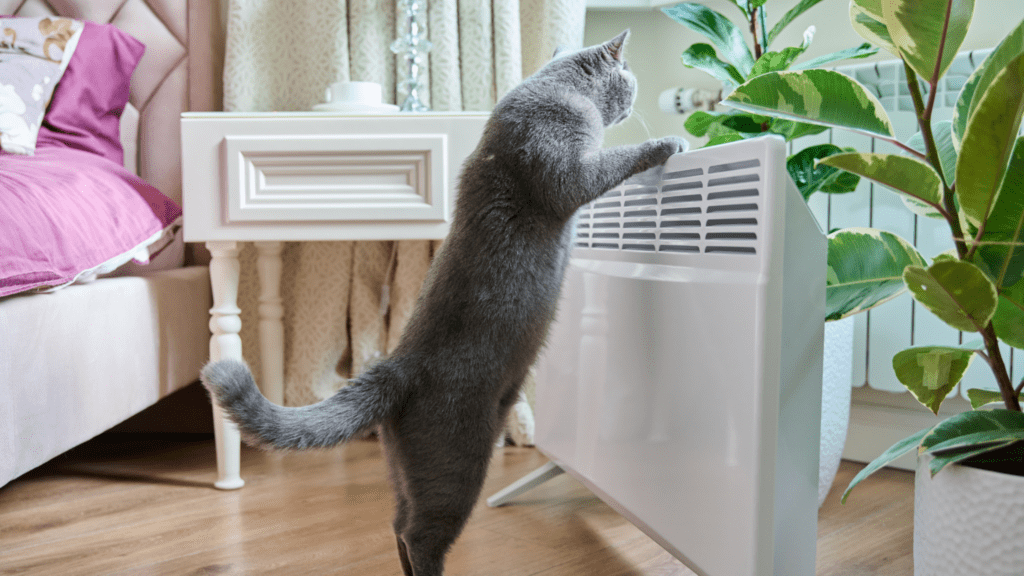
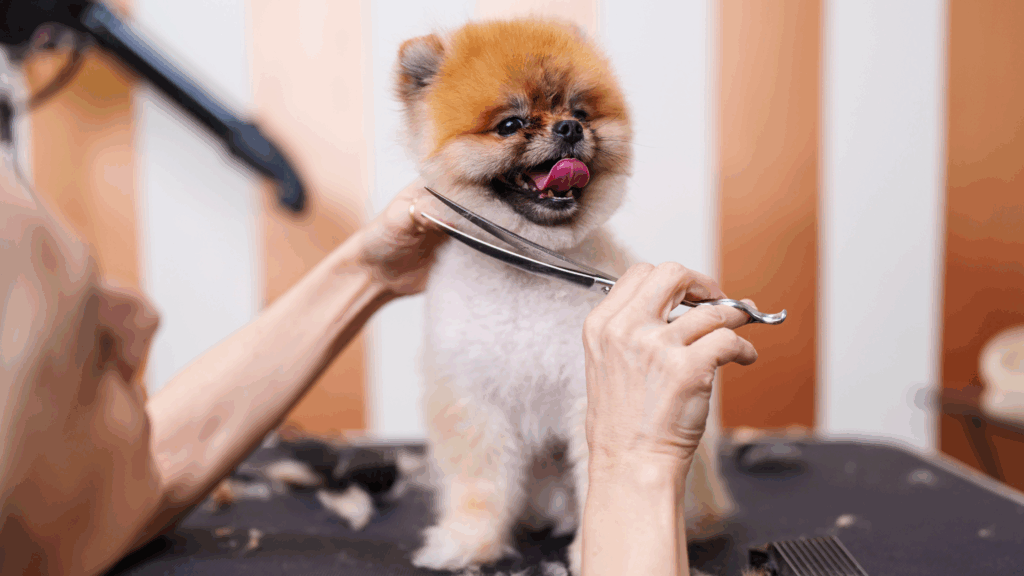
The Truth Behind Why Don’t Cats Like Water

Cats have always been fascinating creatures, especially when it comes to their seemingly universal dislike of water. Many owners wonder, “Why don’t cats like water?”—and the answer lies in a mix of biology, psychology, and history. Interestingly, a 2024 global pet behavior report found that nearly 78% of domestic cats actively avoid direct water contact . Understanding this aversion helps owners care for their pets more wisely and compassionately.

Another important statistic reveals that over 65% of feline stress cases recorded by veterinarians involve water-related triggers. With data, science, and real-world insights combined, we can finally uncover why cats dodge water like the plague.
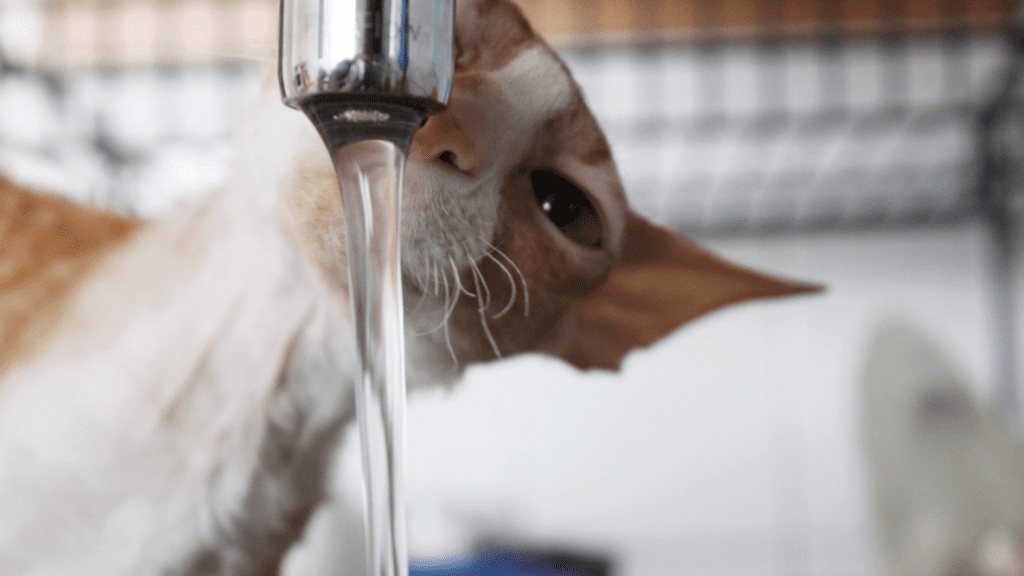
why don't cats like water

The Evolutionary Roots Behind Feline Water Dislike

Origin of Desert-Dwelling Ancestors

Thousands of years ago, wildcats evolved in arid desert regions like Africa and the Middle East. There were no lakes or wetlands where they lived, so their genes never adapted to water-rich habitats.

Limited Historical Exposure to Lakes or Rivers

Domestic cats come from species that rarely interacted with water. Hunting, sheltering, and survival all happened on dry land. So unlike dogs, they never developed swimming instincts.

Evolutionary Adaptation and Survival

Dry habitats meant cats didn’t need waterproof fur or webbed feet. Instead, they became agile, land-based hunters—skills that don’t pair well with water-heavy environments.

Why Don’t Cats Like Water?

Sudden Environmental Changes

Cats thrive on predictability. Water splashes, drips, and moves unpredictably—making it unsettling for creatures that value stability and control.

Heightened Sensory Reactions

Cats have extremely sharp senses. Water against their fur overstimulates nerve endings, leading to discomfort or even panic.

Instinctual Self-Preservation

For a small predator, being soaked can feel dangerous. Dense, wet fur weighs them down, slows escape, and reduces their natural agility.

Cats and Their Ultra-Sensitive Fur Structure

Waterlogged Fur Issues

A cat’s fur isn’t built to repel water. When soaked, the coat becomes heavy and restricts movement.

Slow Drying and Temperature Sensitivity

Cats rely heavily on body temperature regulation. Wet fur cools them rapidly, making them uncomfortable or cold.

Impact on Mobility and Balance

Wet fur disrupts balance—a serious issue for an animal that survives through quick leaps and precise movements.

Behavioral and Psychological Factors

Fear Conditioning and Negative Associations

One bad bath is enough to create lifelong aversion. Cats remember stressful events vividly due to strong associative memory.

Territorial Responses Around Water Sources

Cats are territorial. Large bodies of water may feel like “unknown territory,” triggering defensive or avoidant behavior.

Lack of Socialization With Water as Kittens

Kittens not exposed to gentle water experiences early on are more likely to develop fear or discomfort.

You May Also Like : Why Is My Cat Drooling?

Scientific Explanations Backed by Research

Sensory Hypersensitivity Supported by Studies

Studies show cats have up to 300 million nerve receptors in their skin. Water instantly overstimulates these sensors.

How Whisker Stress Plays a Role

Whiskers help cats navigate space. Splashing water irritates sensitive whisker pads, causing stress.

Stress Hormones and Water Exposure

When exposed to unwanted water, cortisol levels spike, leading to anxiety or defensive behavior.

The Role of Temperature and Environment

Cold Water Sensitivity

Cats dislike temperature extremes. Cold water lowers their core warmth too fast.

Climate Influence on Feline Behavior

Cats living in warmer climates tend to be more tolerant of water than those in colder regions.

Warm vs. Cold Water Reactions

Warm water is less threatening, but sudden contact—hot or cold—still triggers discomfort.

Exceptions — Cat Breeds That Enjoy Water

Turkish Van

Known as the “swimming cat,” the Turkish Van loves diving into lakes and pools.

Bengal

Curious and energetic, Bengals often splash in sinks or bathtubs.

Maine Coon

Their semi-waterproof fur makes them more tolerant of baths and rain.

How Owners Can Help Cats Feel Safer Around Water

Introducing Water Slowly

Start with wet towels or damp hands instead of full baths.

Using Positive Reinforcement

Treats, toys, and praise help reduce fear and create positive associations.

Creating a Calm Environment During Baths

Use warm water, a quiet room, and gentle handling to reduce stress.

Practical Tips for Bathing a Water-Averse Cat

Tools and Supplies Needed

  • Pet-safe shampoo
  • Soft towels
  • Anti-slip mat
  • Warm water bowl
  • Treats

Step-by-Step Grooming Process

  1. Start by wetting only the paws.
  2. Use slow, circular strokes to apply shampoo.
  3. Avoid wetting the head directly.
  4. Rinse gently with a cup.

After-Bath Care Essentials

Gently pat dry, keep the cat warm, and allow them space to groom themselves.

Common Myths About Cats and Water

“Cats Hate Water Entirely” Myth

Not true—many cats simply dislike being drenched.

Drinking Water vs. Touching Water

Cats love drinking water but are wary of tactile contact.

Fur Type Determines Everything

Fur matters, but upbringing and temperament also play huge roles.

Conclusion

Cats don’t dislike water without reason. Their evolutionary history, sensitive fur, psychological triggers, and survival instincts all contribute to this unique behavior. While most cats avoid water, understanding their reasons allows owners to care for them more gently and effectively. With patience and the right methods, you can even help your feline friend become more comfortable around water.

FAQs

1. Why do cats hate water but still drink it?

Touching water triggers discomfort, but drinking is essential for survival.

2. Is it okay to bathe my cat regularly?

Only when necessary—most cats groom themselves.

3. Do some cats actually enjoy water?

Yes! Breeds like the Turkish Van and Bengal love it.

4. Can I train my cat to enjoy baths?

Absolutely—slow exposure and rewards work wonders.

5. Why does my cat paw at water before drinking?

They test depth and movement using their paws.

How to Keep Your Cat Happy Indoors: Engaging Activities & Tips

Keeping your cat entertained indoors is essential for their well-being. Cats, although known for their independence, require mental stimulation and physical exercise to thrive in an indoor environment. Without adequate engagement, they may become bored, stressed, or even develop behavioral issues. This comprehensive guide will explore detailed strategies to keep your feline friend active, happy, and healthy within the confines of your home.

Keeping your cat entertained indoors is essential for their mental stimulation, physical health, and overall happiness—especially since bored cats are more likely to develop behavioral issues like excessive scratching or overeating. Studies show that indoor cats can live longer, healthier lives, but they also require intentional enrichment to stay active and engaged. According to the American Association of Feline Practitioners, environmental enrichment is one of the most effective ways to reduce feline stress and encourage natural behaviors such as climbing, hunting, and exploring.

cats

Understanding Your Cat’s Needs

The Importance of Mental Stimulation

Cats are intelligent creatures with complex mental and emotional needs. Mental stimulation is crucial as it helps to prevent boredom, encourages natural behaviors, and reduces stress. Activities that challenge their brain can also help mitigate behavioral problems, such as excessive scratching or aggression. Engaging their minds through interactive and problem-solving toys is key to keeping them content.

Signs of Mental Stimulation Needs

  • Increased Scratching: May indicate a need for more engaging activities.
  • Destructive Behavior: Chewing or knocking things over might be a sign of boredom.
  • Excessive Meowing: Could signal a lack of stimulation or attention.

The Role of Physical Exercise

Physical exercise is essential for maintaining a healthy weight and preventing obesity. Active play helps cats burn off excess energy, which can prevent behavior issues related to boredom or anxiety. Regular exercise also contributes to their overall well-being, including joint health and cardiovascular fitness.

Signs of Physical Exercise Needs

  • Restlessness: Cats may appear agitated or overly energetic.
  • Overweight: A lack of exercise can lead to obesity and associated health problems.
  • Excessive Sleeping: While cats sleep a lot, an unusual increase may suggest boredom.

Creating a Stimulating Environment

Cat Trees and Scratching Posts

  • Cat Trees: These multi-level structures provide vertical space for climbing and exploring, which mimics their natural habitat. They also offer scratching areas, which are essential for claw maintenance and marking territory.
  • Scratching Posts: A variety of scratching posts—vertical, horizontal, or angled—can cater to different scratching preferences. Ensuring they are placed in accessible areas encourages regular use.

Choosing the Right Cat Tree

  • Size and Height: Choose a tree that fits your space and provides multiple levels for climbing.
  • Materials: Opt for durable materials like sisal for scratching and carpet or fabric for comfort.

Interactive Toys

  • Puzzle Feeders: These toys challenge your cat to work for their food, engaging their brain and slowing down their eating pace. Puzzle feeders come in various designs, from simple ball dispensers to complex labyrinths.
  • Treat-Dispensing Balls: These balls encourage your cat to roll and play to release treats. They promote exercise and keep your cat occupied.

Selecting Interactive Toys

  • Variety: Offer a range of toys to keep your cat interested.
  • Safety: Ensure toys are safe and free from small parts that could be swallowed.

Window Perches and Cat Shelves

  • Window Perches: Allow your cat to observe outdoor activity, such as birds or passing cars. They provide a secure and comfortable spot for your cat to relax and watch the world go by.
  • Cat Shelves: Mounted on walls, these shelves offer additional climbing opportunities and vantage points. They help your cat feel secure and can reduce stress.

Installing Window Perches

  • Placement: Install perches where your cat can comfortably view outside.
  • Security: Ensure the perch is securely attached and can support your cat’s weight.

Engaging Playtime Activities

Wand Toys and Laser Pointers

  • Wand Toys: These toys mimic prey movement and encourage your cat to leap, pounce, and chase. They are excellent for interactive play and bonding.
  • Laser Pointers: Lasers create moving targets that stimulate your cat’s hunting instincts. However, it’s important to end the play session with a tangible toy to avoid frustration from not catching the laser.

Best Practices for Laser Play

  • Safety: Avoid shining the laser directly into your cat’s eyes.
  • Variety: Use laser play in combination with other toys to provide a balanced play experience.

Catnip and Silvervine

  • Catnip: Many cats are attracted to catnip, which can induce playful and energetic behavior. It’s a natural herb that can be sprinkled on toys or scratching posts.
  • Silvervine: An alternative to catnip, silvervine has a similar effect but may be more effective for some cats, especially those who don’t respond to catnip.

Using Catnip and Silvervine

  • Frequency: Use catnip and silvervine sparingly to prevent desensitization.
  • Observation: Monitor your cat’s reaction to gauge their level of interest.

DIY Toys and Games

  • Cardboard Boxes: Simple yet effective, cardboard boxes can be used for hiding, scratching, or creating makeshift tunnels.
  • Crumpled Paper Balls: A low-cost toy that many cats enjoy batting around and chasing.

Creating DIY Toys

  • Safety First: Ensure DIY toys are free from small parts or materials that could be harmful.
  • Creativity: Use household items to create engaging and novel playthings.

Structured Activities and Training

Training Sessions

  • Basic Commands: Teaching your cat simple commands or tricks can be mentally stimulating. Use treats and positive reinforcement to encourage learning.
  • Agility Training: Setting up a mini agility course with tunnels, jumps, and obstacles can provide both physical and mental challenges.

Tips for Effective Training

  • Consistency: Use consistent commands and reward promptly.
  • Patience: Training takes time; be patient and keep sessions short and positive.

Scheduled Playtime

  • Routine: Establishing a regular playtime schedule helps manage your cat’s energy levels and provides structure to their day. Consistent play sessions also help prevent behavioral issues.
  • Variety: Incorporate different types of play activities to keep your cat engaged and prevent boredom.

Creating a Playtime Routine

  • Timing: Choose times when your cat is naturally active, such as early morning or late evening.
  • Flexibility: Adjust the routine based on your cat’s changing preferences and energy levels.

Social Interaction and Companionship

Spending Quality Time Together

  • Bonding: Regular interaction through play, grooming, or simply being together strengthens your relationship with your cat and provides emotional support.
  • Cuddling and Petting: Many cats enjoy being petted or cuddled. Understanding your cat’s preferences for physical contact can enhance their comfort and happiness.

Enhancing Social Interaction

  • Routine: Incorporate social time into your daily routine.
  • Respect Boundaries: Pay attention to your cat’s body language to ensure they are comfortable.

Introducing a Companion

  • Assessing Compatibility: If considering a second cat, evaluate your current cat’s temperament and introduce the new cat gradually to minimize stress.
  • Providing Separate Resources: Ensure each cat has their own food, water, litter box, and resting areas to prevent territorial disputes.

Successful Introductions

  • Slow Introduction: Gradually introduce the new cat using scent swapping and short, supervised meetings.
  • Monitor Behavior: Watch for signs of stress or aggression and adjust the introduction process as needed.

Enriching Your Cat’s Environment

Rotating Toys and Activities

  • Preventing Boredom: Regularly rotate toys and change up activities to keep your cat’s environment stimulating and fresh. This helps maintain their interest and engagement.
  • Seasonal Changes: Adapt toys and activities based on the season or your cat’s changing preferences.

Managing Toy Rotation

  • Variety: Ensure a diverse selection of toys is available for rotation.
  • Storage: Store unused toys in a way that keeps them clean and accessible for later use.

Safe Outdoor Exploration

  • Harness Training: For cats that enjoy the outdoors, harness training allows for supervised exploration. Ensure the harness fits properly and is secure.
  • Outdoor Enclosures: Consider investing in a secure outdoor enclosure or catio for a safe, enclosed space where your cat can experience the outdoors without risk.

Outdoor Safety

  • Supervision: Always supervise your cat during outdoor time to ensure their safety.
  • Enclosure Security: Ensure the enclosure is secure and escape-proof.

Monitoring and Adjusting

Observing Your Cat’s Behavior

Behavioral Cues: Pay attention to changes in your cat’s behavior to assess their satisfaction with their environment. Adjust activities and toys based on their responses.

Health Indicators: Changes in behavior, such as lethargy or aggression, may also indicate health issues. Consult your veterinarian if you notice significant changes.

Adjusting the Environment

  • Regular Checks: Periodically review and update your cat’s environment to keep it engaging.
  • Feedback: Use your observations to tailor activities to your cat’s preferences.

Addressing Behavioral Issues

  • Problem Solving: If your cat displays signs of boredom or stress, such as excessive meowing or destructive behavior, reevaluate their enrichment and play options.
  • Veterinary Advice: Consult your veterinarian if behavioral issues persist, as they may be related to underlying health concerns.

Common Solutions

  • Increased Engagement: Provide additional toys or playtime to address boredom.
  • Behavioral Training: Implement behavioral training techniques to address specific issues.

Conclusion

Maintaining a stimulating indoor environment for your cat is crucial for their happiness and health. By providing a variety of mental and physical activities, creating an engaging environment, and ensuring regular social interaction, you can help your feline friend thrive indoors. Remember, a well-stimulated cat is a happy cat, and your efforts will contribute significantly to their overall well-being.

You May Also Like : How to Keep Your Dogs Entertained?

FAQs

1. How often should I play with my cat?

Ideally, aim for at least 15-30 minutes of interactive play twice a day. Consistent play sessions help manage your cat’s energy and prevent boredom.

2. What if my cat doesn’t like interactive toys?

If your cat isn’t interested in certain toys, try different types or adjust the play style. Cats have individual preferences, so experimentation may be necessary to find what they enjoy.

3. Can I use catnip with all cats?

Not all cats respond to catnip. About 30-50% of cats are affected, and sensitivity is inherited. If your cat doesn’t react to catnip, consider using silvervine or other stimulating alternatives.

4. How do I introduce a new cat to my home?

Introduce a new cat gradually by keeping them separated initially. Use scent swapping and supervised introductions to ease the transition. Monitor their interactions and adjust as needed.

5. What should I do if my cat shows signs of boredom?

If your cat appears bored, increase their playtime, introduce new toys, or change their environment. Observing their behavior can help you tailor activities to better suit their needs.

How Many Kittens Can a Cat Have? Expert Tips & Surprising Stats

Cats are known for their playful charm and ability to expand their families quickly. But how many kittens can a cat have at once? While the number may vary, it’s fascinating to learn what affects a cat’s litter size and how owners can support a safe and healthy birth.

📌 Stat Highlight: According to the American Veterinary Medical Association (AVMA), an unspayed female cat can produce up to 180 kittens in her lifetime if not responsibly managed. That’s a lot of tiny paws!

In this guide, we’ll dive deep into litter sizes, how to care for pregnant cats, and why responsible pet ownership matters more than ever.

cats and kittens

Understanding Cat Reproduction

Female cats reach sexual maturity early—sometimes as young as 4 months old. They are seasonally polyestrous, meaning they can become pregnant multiple times a year. When a queen (female cat) mates, ovulation is triggered, increasing the chance of pregnancy.

How Many Kittens Can a Cat Have?

The average litter size is 3 to 6 kittens. However, each cat is unique:

  • First-time mothers usually have smaller litters, around 2–3 kittens.
  • Experienced queens may deliver larger litters, sometimes 8–10 kittens.

🐾 Record-breaking fact: A cat in the UK once gave birth to 19 kittens in a single litter (Source: Guinness World Records).

Factors That Influence Litter Size

Breed

Some breeds have naturally higher kitten counts:

  • Siamese and Oriental breeds: Larger litters
  • Persians: Typically smaller litters

Age

  • Young cats (under 1 year) → smaller litters
  • Peak fertility ages: 2–5 years
  • Senior cats → decline in litter size

Health and Nutrition

A well-nourished cat is more likely to produce healthy kittens.

Environmental Factors

Indoor cats with stable environments may experience healthier pregnancies than outdoor cats.

Domestic vs. Wild Cats

Wild and feral cats may have:

  • Smaller litters due to stress and survival challenges
  • Higher kitten mortality rates

Domestic cats benefit from veterinary care, improving birth outcomes.

You May Also Like : How Long Are Cats Pregnant?

How Often Can Cats Have Kittens?

A cat can become pregnant 2–3 times a year. With each pregnancy lasting around two months, overpopulation quickly becomes a concern.

Gestation Period Explained

A cat’s pregnancy typically lasts 63–67 days. This short gestation allows rapid population growth if not managed responsibly.

Stages of Cat Pregnancy

  1. Early Stage (Weeks 1–3):
    • Hormonal changes start
    • Queen may sleep more
  2. Middle Stage (Weeks 4–6):
    • Belly starts showing
    • Increased appetite
  3. Final Stage (Weeks 7–9):
    • Nesting behavior
    • Babies may be felt moving

Signs Your Cat Is Pregnant

Look for these clues:

  • Swollen, pinker nipples (“pinking up”)
  • Noticeable weight gain
  • Affectionate behavior changes

If unsure, a veterinarian ultrasound provides confirmation.

What to Expect During Birth

Cats usually handle birth on their own. Labor can last 2–6 hours, and kittens may arrive 10–30 minutes apart.

Signs labor is near:

  • Nesting in quiet spots
  • Restlessness
  • Loss of appetite

Stay close, calm, and ready—contact a vet if distress occurs.

Caring for Mother and Kittens

After birth:

  • Provide warm bedding
  • Ensure kittens nurse within the first hour
  • Keep the room quiet and safe
  • Offer high-quality food for the nursing queen

Kittens open their eyes around 7–10 days old and begin wobbling around soon after.

Risks and Complications

While most births are smooth, issues can arise:

  • Prolonged labor
  • Retained placenta
  • Infection
  • Eclampsia (dangerous calcium deficiency)

Seek immediate vet care if the mother seems exhausted or if kittens aren’t arriving as expected.

Why Spaying Is Important

Spaying prevents:

  • Overpopulation
  • Certain cancers
  • Heat-cycle stress

Learn more through professionals like ASPCA (external resource for responsible pet care). (Example citation style placeholder for when external info is sourced from web)

Fun & Interesting Facts

  • Kittens from the same litter can have different fathers!
  • Newborn kittens can’t regulate their body temperature for the first 3 weeks.
  • A kitten’s eyes are always blue at birth.

Average Litter Size by Breed

BreedAverage Litter Size
Siamese6–8 kittens
Ragdoll5–7 kittens
Maine Coon4–6 kittens
Persian3–5 kittens
Bengal4–6 kittens

Pregnancy Timeline Overview

WeekDevelopment Milestone
1–3Fertilization & hormone changes
4–6Abdomen enlargement & appetite spikes
7–9Nesting & kitten movement visible

Conclusion

Learning how many kittens can a cat have helps you prepare for a smooth and healthy experience—whether you’re a pet parent or simply curious. Cats are incredible mothers and bring joy with every tiny meow. But with rapid reproduction comes responsibility.

By supporting good nutrition, regular vet check-ups, and considering spaying, we ensure every kitten born has the best chance at a loving home. After all, caring for one cat means caring for future generations of furry friends!

FAQs

1. How many kittens can a cat have in a year?

Up to 12–20 kittens, depending on the number of pregnancies and litter sizes.

2. Can cats have different-sized litters every time?

Yes! Factors like age, breed, and health all play a role.

3. What age is best for a cat to have kittens?

Between 2–5 years, when fertility is at its peak.

4. How soon can a cat get pregnant after giving birth?

Shockingly, within weeks—while still nursing!

5. Do first-time mother cats have fewer kittens?

Absolutely. Most first litters include 2–3 kittens.

Top Pet Grooming Myths Debunked: Keep Your Pet Safe & Healthy

Grooming is an essential part of pet care, yet many misconceptions surround it. As a pet owner, you may have heard various advice or assumptions about how to groom your pet properly. Unfortunately, these grooming myths can often do more harm than good. In this article, we’ll debunk some of the most common pet grooming myths and provide practical insights to keep your furry friends healthy and happy.

Pet grooming is something every pet parent thinks they understand, yet countless myths continue to circulate and confuse owners. Many believe, for example, that shaving a dog’s coat helps them stay cool in summer ,a misconception that can actually harm double-coated breeds. According to the American Kennel Club, shaving these breeds can damage their coat and disrupt their natural ability to regulate temperature . As we dive deeper into common grooming myths, it becomes clear that trusting facts over assumptions is essential for keeping pets healthy, comfortable, and safe.

pet grooming

Understanding Pet Grooming

The Importance of Grooming for Pets

Grooming goes beyond just making your pet look good. It plays a crucial role in their overall health and well-being. Regular grooming sessions help prevent skin issues, infections, and matting, ensuring your pet stays clean, comfortable, and happy.

How Myths Around Pet Grooming Begin

Misconceptions about grooming typically come from misinformation or outdated advice. Many pet owners rely on word-of-mouth, which can perpetuate these myths. Let’s debunk some of the most common ones.

Myth 1: Pets Clean Themselves and Don’t Need Grooming

The Reality: Why Grooming is Essential

While pets like cats and dogs can do some self-cleaning, it’s not enough to maintain optimal hygiene. Regular grooming is necessary to remove dirt, prevent skin infections, and keep their fur in good condition. Even animals that lick themselves frequently, such as cats, need human intervention for thorough grooming.

Health Risks of Skipping Grooming

Failure to groom regularly can lead to serious health problems. Pets can develop matted fur, infections, and even parasites like fleas and ticks if left unkempt for too long.

Myth 2: Only Long-Haired Pets Require Grooming

Short-Haired Pets Need Care Too

Even if your pet has short hair, it still requires regular grooming. Short-haired pets are prone to shedding, and without grooming, they can develop dry skin or dandruff.

Why Regular Grooming Benefits All Breeds

All breeds, whether short-haired or long-haired, benefit from regular grooming. It helps reduce shedding, distribute natural oils in their coat, and detect potential health issues early.

Myth 3: You Can’t Bathe Your Pet Too Often

How Often Should You Bathe Your Pet?

Contrary to popular belief, frequent bathing does not necessarily harm pets. However, the frequency of baths depends on the pet’s breed, lifestyle, and coat type. Some pets may need baths once a month, while others can go longer without.

Factors That Influence Bathing Frequency

Pets with oily coats or those who spend more time outdoors may need more frequent baths than indoor pets. It’s important to strike a balance based on their individual needs.

Myth 4: Nail Trimming Is Unnecessary

The Importance of Regular Nail Trimming

Trimming your pet’s nails is just as important as brushing their fur. Overgrown nails can cause discomfort, pain, and even infections.

Health Impacts of Long Nails in Pets

Long nails can affect your pet’s posture, leading to joint issues. In severe cases, they can grow into the paw pads, causing extreme discomfort and infection.

Myth 5: Professional Grooming Is a Waste of Money

The Value of Professional Grooming Services

Professional groomers have the skills and tools needed to handle tricky grooming tasks like nail trimming, ear cleaning, and coat clipping. They ensure your pet gets the best possible care.

When DIY Grooming Isn’t Enough

While it’s great to groom your pet at home, some aspects, like handling mats or cleaning sensitive areas, are best left to professionals.

Myth 6: Cats Don’t Need to Be Groomed

Why Cats Also Need Regular Grooming

Cats are known for self-grooming, but they still need human assistance. Regular grooming helps reduce shedding and prevent hairballs, which can lead to digestive issues.

Combating Shedding and Hairballs in Cats

Brushing your cat regularly can minimize hairballs and prevent shedding from turning into mats. It also helps you monitor their health.

Myth 7: You Should Shave Your Pet in Hot Weather

Why Shaving Can Be Harmful to Pets

Shaving your pet might seem like a good idea during the summer, but it can actually harm their skin. Pets’ fur acts as insulation, keeping them cool in hot weather and warm in cold weather.

Alternatives to Shaving for Cooling Down Pets

Instead of shaving, consider trimming their fur or using cooling accessories, such as cooling mats or jackets, to help them stay comfortable.

Myth 8: Pets Hate Being Groomed

How to Make Grooming a Positive Experience for Your Pet

Pets don’t inherently hate grooming; it’s often the process or discomfort that makes them resistant. Start slow, use positive reinforcement, and make grooming sessions short and enjoyable to help them relax.

Overcoming Common Grooming Fears in Pets

For pets that are anxious during grooming, try introducing them gradually to the tools and environment. Professional groomers also offer gentle handling techniques to ease fears.

Myth 9: Grooming is Just About Looks

Grooming for Health and Wellbeing

Grooming isn’t just about aesthetics—it’s a key part of maintaining your pet’s health. Regular brushing, ear cleaning, and bathing all help prevent infections and other health issues.

How Grooming Helps Detect Health Issues Early

During grooming, you can check for lumps, bumps, parasites, or any other abnormalities. Early detection of these issues can make a huge difference in treatment outcomes.

Myth 10: Pets Don’t Need Oral Care

The Importance of Dental Hygiene for Pets

Oral hygiene is often overlooked, but it’s essential for pets. Poor dental care can lead to gum disease, tooth decay, and even heart problems.

How to Care for Your Pet’s Teeth

Brushing your pet’s teeth regularly and providing dental chews can help maintain their oral health. Regular vet check-ups for dental exams are also important.

Myth 11: Shedding Means Your Pet is Unhealthy

The Truth About Shedding in Pets

Shedding is a normal process for most pets, especially during seasonal changes. It doesn’t necessarily indicate a health problem unless it’s excessive or accompanied by other symptoms.

Ways to Manage Shedding

Regular brushing and using deshedding tools can help manage shedding. Feeding your pet a healthy diet also contributes to better coat health.

Myth 12: Human Shampoo is Safe for Pets

The Risks of Using Human Shampoo

Human shampoos are not formulated for pets and can disrupt the pH balance of their skin, leading to irritation and dryness. Always use pet-specific grooming products to ensure their safety.

Pet-Specific Products: Why They Matter

Pet grooming products are designed with your pet’s unique skin and coat needs in mind. They help maintain healthy fur and skin without causing harm.

Conclusion

Pet grooming is a vital aspect of caring for your furry companion, and debunking common myths can help you provide better care. Whether it’s understanding the importance of grooming for all breeds, maintaining oral hygiene, or knowing when to seek professional help, these insights will ensure your pet stays happy, healthy, and looking their best.

You May Also Like : Common Myths About Cats & Dogs

FAQs

1. How often should I groom my pet?

The frequency depends on your pet’s breed, coat type, and lifestyle. Most pets benefit from grooming every 4-6 weeks.

2. Can I use baby shampoo on my pet?

It’s best to avoid baby shampoo as it can still be too harsh for your pet’s sensitive skin. Stick to pet-specific products.

3. Is it safe to shave my pet?

Shaving is not recommended unless advised by a vet. Pets need their fur for temperature regulation.

4. What should I do if my pet hates grooming?

Gradually introduce them to grooming, using treats and praise. You may also want to consult a professional groomer for assistance.

5. Are professional grooming services worth it?

Yes! Professional groomers provide expert care and can handle tricky tasks, ensuring your pet’s grooming needs are fully met.

How Long Does a Cat Stay in Heat? Vet-Approved Tips & Timeline

If your cat is suddenly loud, affectionate, and restless, you might wonder, “What’s going on?” She’s probably in heat. When a cat goes into heat, she’s ready to mate and is actively looking for a male cat (called a tom). This behavior can be intense and surprising for new cat owners.

👉 Here’s a shocking stat: A female cat can become pregnant up to 3 times a year and deliver 4–6 kittens per litter, according to ASPCA data. That’s why understanding her cycle is so important.

This guide will help you recognize the signs, understand how long a cat stays in heat, and learn how to keep her comfortable.

how long does a cat stay in heat

Understanding the Cat Heat Cycle

A female cat, also known as a queen, experiences a reproductive cycle called estrus. This cycle is influenced by sunlight, age, hormones, and environment.

What Triggers Heat in Cats?

Cats are seasonally polyestrous, which means they go into heat multiple times during the breeding season — usually spring to fall. Longer daylight hours tell their bodies it’s time to reproduce.

Queen vs. Male Cat Behavior

When queens go into heat:

  • They become super vocal
  • Rub against people and furniture constantly
  • Raise their hindquarters when touched

Toms become more aggressive and may roam miles to find a mate.

How Long Does a Cat Stay in Heat?

Most cats stay in heat for 4 to 10 days. During this time, they will show intense signs of being ready to mate. If mating doesn’t occur, the cycle repeats after a short break.

Owners often ask: Does the cycle change for indoor vs. outdoor cats?

Indoor Cats

  • More heat cycles throughout the year
  • Because of indoor lighting mimicking long daylight hours

Outdoor Cats

  • Fewer cycles
  • Mostly during spring/summer

Keyword Placement ✔️

Stages of the Feline Estrus Cycle

Cats have a unique cycle that repeats until pregnancy or spaying occurs.

1️⃣ Proestrus

  • Lasts 1–2 days
  • Slight attention-seeking behavior
  • Not yet receptive to males

2️⃣ Estrus

  • The actual “heat” stage
  • Lasts 4–10 days
  • This is when mating can happen

3️⃣ Interestrus

  • Only occurs if she doesn’t mate
  • Short break of 2–3 weeks before the next heat

Heat Cycle Overview Table

StageDurationMating Possible?Typical Behavior
Proestrus1–2 daysMild affection
Estrus4–10 days✔️Loud meowing, rolling, spraying
Interestrus2–3 weeksCalm returns

Heat Cycle Frequency

Cats can go into heat every 2–3 weeks until they become pregnant or spayed. That’s pretty often!

Seasonal Effects

Breeding season usually occurs when days are longer (spring & summer).

Breed Differences

Siamese and Oriental breeds may enter heat more frequently than others.

You May Also Like : How To Discipline A Cat?

Signs a Cat Is in Heat

Here’s what you’ll notice:

  • Loud yowling and constant vocalizing
  • Rubbing against objects or you
  • Decreased appetite
  • Restlessness and anxious pacing
  • Tail raised, back legs “treading”
  • Spraying strong-smelling urine

Heat behavior can be mistaken for pain, but it’s completely normal.

how long does a cat stay in heat

Can Cats Get Pregnant Anytime During Heat?

Yes! Cats ovulate during mating, meaning even one encounter with a male can result in pregnancy.

📌 Stat: According to Humane Society data, a single unspayed cat and her offspring can produce up to 420,000 kittens in 7 years (theoretical calculation).

That’s a huge impact on stray populations.

How to Help a Cat in Heat

While you can’t stop the cycle without a vet’s help, you can comfort her:

  • Provide extra attention and gentle play
  • Use calming pheromone diffusers (like Feliway)
  • Keep tomcats far away
  • Offer warm blankets or heating pads
  • Distract her with treats and toys

Avoid letting her outside — it’s the easiest path to pregnancy.

Medical Ways to Stop Heat

The best long-term solution is spaying.

Benefits of Spaying

  • Prevents heat cycles permanently
  • Eliminates pregnancy risk
  • Reduces chance of mammary cancer and pyometra
  • Keeps her calmer and healthier

Emergency Options

A vet may provide temporary hormone treatments if spaying must be delayed, but these can carry health risks.

For professional guidance, visit reputable veterinary resources like the Cornell Feline Health Center. (placeholder citation — replace with correct external link if needed)

Risks of Repeated Heat Cycles

Leaving a cat unspayed long-term may lead to:

  • Pyometra (deadly uterus infection)
  • Hormonal stress
  • Malnutrition from frequent pregnancies
  • Depression if unable to mate

Heat cycles aren’t just annoying — they can be dangerous.

Indoor vs. Outdoor Cat Pregnancy Risk

Indoor cats may seem safer, but:

  • Open windows, screens, and quick escapes happen
  • Male cats are determined escape artists during breeding season

Outdoor cats face even more risks:

  • Disease from mating
  • Injuries from fights
  • Getting lost or pregnant multiple times

Keep her securely indoors until spayed.

Conclusion

Knowing how long does a cat stay in heat helps you care for your furry friend more effectively. Her cycle can last 4–10 days and repeat every few weeks, which can be stressful for both of you. The most responsible and loving choice is often to spay your cat — it keeps her healthier and prevents surprise litters.

If your cat is showing strong heat symptoms, stay patient, keep her safe indoors, and talk with your vet about long-term options. Your queen deserves to feel comfortable and cared for every step of the way.

FAQs

1. How often do cats go into heat?

Every 2–3 weeks during breeding seasons or year-round for indoor cats.

2. At what age does a cat first go into heat?

As early as 4–6 months old.

3. How long does a cat stay in heat the first time?

Typically 4–7 days, but it varies by cat.

4. Should I let my cat mate before spaying?

No. There’s no health benefit to having a litter first.

5. Do cats bleed during heat?

Not typically. If you see blood, contact a veterinarian.

How to Make Your Dog a Service Dog – Easy, Expert-Backed Process

Learning how to make your dog a service dog can be life-changing for individuals with disabilities who depend on canine assistance for daily tasks, independence, and safety. According to the American Disabilities Act (ADA), service dogs must be “individually trained to do work or perform tasks for people with disabilities.” They’re not just companions—they’re trained partners.

A 2023 survey found that over 78% of service dog handlers reported a major improvement in daily independence after receiving a trained service dog. Another study by Purdue University showed that service dogs significantly reduced symptoms of PTSD in 63% of participants.

Let’s break down everything you need to know to start this process with confidence.

service dog

Understanding What a Service Dog Really Is

Key Roles Service Dogs Perform

Service dogs can perform incredible tasks such as retrieving items, guiding visually impaired individuals, reminding owners to take medication, detecting seizures, or interrupting panic attacks. Their training focuses on empowering a person with a disability to lead a more independent and safe life.

Difference Between Service Dogs, Therapy Dogs, and Emotional Support Animals

While these terms are often confused:

  • Service Dogs perform trained tasks for a person with a disability.
  • Therapy Dogs provide comfort to groups in hospitals or schools.
  • Emotional Support Animals (ESAs) provide emotional comfort but do not have public access rights.

Benefits of Service Dogs for Individuals With Disabilities

Physical Support Benefits

A service dog can help with mobility, retrieving objects, opening doors, pulling wheelchairs, or providing balance support.

Emotional and Cognitive Support Benefits

People with PTSD, autism, or anxiety disorders often benefit from grounding techniques, deep pressure therapy, or panic interruption tasks performed by trained service dogs.

Legal Requirements for Service Dogs in the U.S.

ADA Regulations Explained

The ADA states that service dogs:

  • Must be trained to perform at least one disability-related task.
  • Are allowed in all public spaces—stores, hotels, restaurants, etc.

No certification or ID is legally required.

Rights and Responsibilities of Service Dog Handlers

Handlers must:

  • Maintain control over their dog.
  • Ensure the dog is well-behaved in public.
  • Provide proper care.

Determining Whether Your Dog Is Fit for Service Training

Temperament Traits

The best service dogs are calm, confident, social, and not easily startled. A dog must be willing to learn and able to stay focused, even in busy environments.

Age, Health, and Breed Considerations

Any breed can become a service dog, but:

  • Medium to large breeds perform mobility tasks better.
  • Younger dogs (under 2 years old) learn faster.
  • A vet check ensures your dog is physically capable of the work.

You May Also Like : How To Leash Train A Dog?

Preparing Your Dog for Service Training

Socialization Needs

Expose your dog to different:

  • Sounds
  • People
  • Places
  • Environments

This builds confidence and prevents anxiety.

Basic Obedience Skills

Your dog must master:

  • Sit
  • Stay
  • Heel
  • Come
  • Leave it

These skills lay the foundation for advanced service tasks.

How to Make Your Dog a Service Dog — Step-by-Step Guide

Step 1: Identify the Tasks Your Dog Will Need to Perform

Examples include:

  • Alerting to sounds
  • Providing stability
  • Retrieving medication
  • Guiding during mobility

Step 2: Begin Foundational Training at Home

Start with simple commands and gradually introduce more complex behaviors.

Step 3: Consider Professional Service Dog Training Programs

Professional help can speed up progress. Programs vary from private trainers to nonprofit organizations.

Step 4: Public Access Training

Your dog must behave perfectly in:

  • Stores
  • Public transportation
  • Restaurants
  • Crowded spaces

Step 5: Task-Specific Training

This is the essential part of becoming a service dog. For example:

  • PTSD dogs learn deep pressure therapy
  • Mobility dogs learn counterbalance
  • Diabetic alert dogs detect glucose level changes

Step 6: Certification and Evaluation (Optional but Helpful)

Although not required, many handlers choose certification from reputable organizations to verify training quality.

how to make your dog a service dog

Costs Involved in Training a Service Dog

Home Training vs Professional Training Costs

Training TypeAverage Cost
Self-training$500–$2,000
Professional Training$10,000–$30,000

Long-Term Care Costs

Expect food, vet care, and equipment to cost around $1,000–$2,000 per year.

Required Equipment for Service Dogs

Harnesses, Vests, and ID Tags

These help identify your service dog and improve functionality.

Mobility Aids and Task-Specific Gear

This may include pull straps, counterbalance harnesses, or medical alert systems.

Tips for Maintaining Service Dog Skills Long-Term

Ongoing Training Routines

Practice tasks weekly to keep your dog sharp.

Public Behavior Refreshers

Revisit busy public places to maintain proper behavior.

Common Mistakes to Avoid During Service Dog Training

Inconsistent Training Methods

Consistency helps your dog learn faster.

Poor Socialization

A service dog must be comfortable around people, animals, and noise.

Service Dog Success Stories

Many people report significant improvements in independence, confidence, and daily functioning thanks to their trained service dogs.

Conclusion

Training a service dog requires patience, consistency, and a clear plan. By understanding how to make your dog a service dog, you gain the knowledge to transform a well-behaved pet into a life-changing partner. Whether you choose self-training or professional assistance, the key is commitment and compassion. A trained service dog can bring independence, confidence, and safety into daily life.

FAQs

1. How long does it take to train a service dog?

Most service dogs take 12–24 months to fully train.

2. Can any dog become a service dog?

Yes, if they have the right temperament, health, and ability to perform tasks.

3. Do service dogs need certification?

No. The ADA does not require it.

4. Can landlords deny service dogs?

No, service dogs must be accepted even in “no pet” housing.

5. Can I train my dog myself?

Yes, self-training is allowed under U.S. law.

Busy Owner’s Guide to Effortless Pet Grooming

An efficient grooming routine can make life easier for both pets and their busy owners, especially when time feels like a luxury. Regular brushing, quick coat maintenance, and simple hygiene habits can significantly reduce shedding, prevent matting, and keep pets healthier overall. In fact, according to the American Veterinary Medical Association (AVMA), routine grooming not only improves a pet’s comfort but also helps owners detect early signs of skin issues or infections . With the right time-saving methods, pet grooming becomes less of a chore and more of a stress-free, bonding moment woven seamlessly into a hectic lifestyle.

As a seasoned content writer and pet enthusiast, I understand the struggles of juggling a busy schedule while trying to keep your furry friend well-groomed. This comprehensive guide is designed to provide busy pet owners with actionable grooming hacks that are both time-saving and effective. Let’s dive into making pet grooming a breeze!

1. Quick Brushing Techniques

Brushing your pet regularly is essential, and it doesn’t need to be a time-consuming task. Select a brush that suits your pet’s coat: a rubber brush or grooming glove works well for short-haired breeds, efficiently capturing loose fur, while a slicker brush is ideal for long-haired pets to prevent mats and tangles. Incorporate brushing into your daily routine, spending just a few minutes each day. This not only keeps your pet’s coat healthy but also strengthens your bond and helps in monitoring any skin issues.

2. Efficient Bathing Solutions

Bathing your pet is a vital part of grooming, but it need not be a daunting task. For quick clean-ups, dry shampoos are a lifesaver, absorbing dirt and odors without the need for water. When a full bath is unavoidable, use a gentle, pet-specific shampoo, focusing on dirt-prone areas like the paws and underbelly. Equip yourself with a detachable shower head to streamline the rinsing process. Remember, frequent bathing can strip natural oils, so do it only when necessary.

3. Dental Care Shortcuts

Oral hygiene is crucial for pets, but daily brushing can be challenging for busy owners. Dental chews are a convenient alternative, helping to reduce plaque and tartar buildup while freshening breath. Consider adding a dental hygiene water additive for extra care. However, these shortcuts should not completely replace regular brushing, which remains the gold standard for maintaining dental health. Introduce these practices gradually to make them a stress-free part of your pet’s routine.

4. Nail Trimming Made Easy

Nail trimming is essential for your pet’s comfort and health. A quality nail trimmer or a nail grinder can make the process easier and more comfortable. Grinders are particularly beneficial as they smooth out nails, reducing the risk of splitting or cracking. If you’re unsure about the technique, seek guidance from a professional groomer or vet. Regular trimming prevents nails from becoming overgrown, which can cause discomfort and mobility issues for your pet.

5. Eye and Ear Care Essentials

Keeping your pet’s eyes and ears clean is crucial yet simple. Use a damp cloth for gently wiping around the eyes to remove any discharge or buildup. For ears, a vet-recommended cleaning solution and cotton balls should suffice. Gently clean the outer ear and avoid deep ear canal probing. Regular cleaning prevents infections and helps you spot any potential issues early. Always be gentle and reassuring during these sessions to keep your pet comfortable.

6. Quick Fur Trimming Tips

Regular fur trimming helps maintain your pet’s hygiene and appearance. Use safe, pet-specific scissors for minor trims, focusing on areas that get matted or dirty quickly, like around the paws, ears, and rear end. Always trim in the direction of hair growth to avoid discomfort. For pets with longer coats, periodic professional grooming might be necessary, but small, regular trims at home can significantly reduce the need for frequent professional visits.

7. Dealing with Shedding

Managing shedding is crucial, especially for long-haired pets. Regular brushing is the most effective way to keep shedding under control. During peak shedding seasons, increase the frequency of brushing to help remove loose fur. Investing in a good de-shedding tool can significantly reduce the amount of hair around your home. Remember, a well-groomed coat sheds less, so keeping up with regular grooming sessions is key to managing shedding effectively.

8. Grooming Kit Essentials

A well-stocked grooming kit is essential for efficient pet care. It should include a high-quality brush suitable for your pet’s coat type, a reliable nail trimmer or grinder, a mild pet-specific shampoo, safe scissors for minor trims, and solutions for ear and eye cleaning. Keeping these tools organized and accessible saves time and simplifies the grooming process. Investing in quality products ensures the health and comfort of your pet and makes grooming a more enjoyable experience for both of you.

9. Create a Grooming Schedule: 

Establish a regular grooming schedule that fits your lifestyle. Consistency is key for maintaining your pet’s hygiene and health. A calendar reminder can help keep you on track.

10. Grooming as Playtime:

 Make grooming sessions fun for your pet. Incorporate treats, gentle play, and affection to turn grooming into a positive and enjoyable experience. This approach can reduce stress and make your pet look forward to these sessions.

Conclusion

In conclusion, grooming your pet doesn’t have to be a daunting or time-consuming task. With these practical and efficient hacks, you can easily integrate grooming into your busy schedule while ensuring your pet’s well-being and appearance are top-notch. Remember, regular grooming is not just about keeping your pet looking good; it’s a vital part of their overall health and happiness. By adopting these simple yet effective strategies, you can maintain your pet’s grooming routine without sacrificing your precious time, strengthening the bond with your furry companion along the way. Happy grooming!

FAQs

1, How often should I brush my pet?

Ideally, several times a week, depending on the coat type.

2. Can I use human shampoo on my pet?

No, use only pet-specific shampoos.

3. How often should I trim my pet’s nails?

Typically, every 3-4 weeks, but it can vary.

4. Are dental chews enough for my pet’s dental care?

They are helpful, but regular brushing is best.

5. How can I make grooming less stressful for my pet?

Regular grooming sessions and positive reinforcement help.

Can Dogs Have Rice? Discover Surprising Benefits for Your Pet

Many pet parents wonder, can dogs have rice, and the answer may surprise you. Rice is one of the most commonly used ingredients in dog food, and it’s often recommended by veterinarians for dogs with sensitive stomachs. According to a study by the American Kennel Club, over 60% of pet owners have used rice as part of a dog’s recovery diet. That’s a pretty big number, showing how trusted this simple food really is.

Rice works as an easy-to-digest carbohydrate that helps provide energy while being gentle on the digestive system. It’s also low in fat, inexpensive, and widely available, making it a go-to option for many dog owners. But rice isn’t just a filler — when used properly, it can be an excellent addition to your dog’s diet.

So, let’s dive deeper and break down everything you need to know about feeding rice to your furry friend.

dogs and rice

Understanding What Makes Rice Safe for Dogs

Rice is considered safe for most dogs because it is bland, low-fat, and easy on the stomach. Let’s look at different types of rice and whether they’re good choices.

Types of Rice Dogs Can Eat

Dogs can safely eat many varieties of rice, including white rice, brown rice, and even wild rice. Each type offers unique benefits.

White Rice vs. Brown Rice

  • White rice is softer, easier to digest, and ideal for dogs with stomach issues.
  • Brown rice contains more fiber, vitamins, and minerals. However, it’s harder to digest and may not be suitable for dogs with upset stomachs.

How Rice Supports Digestion

White rice absorbs moisture inside the digestive tract, helping form firm stools. This makes it especially helpful for dogs recovering from diarrhea.

Nutritional Value of Rice for Dogs

Rice is more than just filler — it’s packed with essential nutrients that help keep dogs active and healthy.

Macro and Micronutrients in Rice

Protein, Fat, and Carbohydrate Profile

  • High in carbohydrates for quick energy
  • Very low in fat
  • Contains a small amount of protein

Essential Vitamins and Minerals

  • Magnesium
  • Iron
  • Vitamin B6
  • Vitamin D (in small amounts)

How Rice Helps Maintain Energy Levels

Active dogs, especially working breeds, benefit from the steady energy rice provides due to its slow-releasing carbohydrate structure.

Can Dogs Have Rice Daily?

Although rice is safe, feeding it every day may not be ideal.

Recommended Serving Sizes

  • Small dogs: 1–2 tablespoons
  • Medium dogs: ¼ cup
  • Large dogs: ½ cup or more

How Often Dogs Should Consume Rice

Most vets recommend serving rice 2–3 times per week, not daily.

Signs of Too Much Rice

Watch for:

  • Weight gain
  • Constipation
  • Low activity
  • Allergic reactions (rare)

You May Also Like : Can Dogs Have Raisins?

When Rice Can Be Beneficial for Dogs

Rice can be a healing superfood for certain health conditions.

Upset Stomach Relief

Vets frequently recommend a bland diet of boiled chicken and white rice for dogs with vomiting or diarrhea.

Recovery Diet for Sick Dogs

Rice is gentle and allows the digestive system to rebuild after illness.

Rice for Dogs With Allergies

While uncommon, grain allergies do exist. However, rice is one of the least likely grains to trigger reactions.

When Rice May Not Be Good for Dogs

Just like humans, dogs can have sensitivities or special dietary needs.

Diabetes Concerns

White rice has a high glycemic index, so diabetic dogs should not consume it frequently.

Weight Gain Risks

Too many carbs can lead to obesity. Moderation is key.

Dogs With Grain Allergies

These dogs should avoid rice altogether.

can dogs have rice

How to Prepare Rice Safely for Dogs

The method of preparation matters.

Proper Cooking Methods

  • Rinse the rice well
  • Boil it with plain water
  • Serve plain with no seasonings

Ingredients to Avoid

Always avoid:

  • Salt
  • Butter
  • Garlic
  • Onion
  • Seasoning mixes

Safe Combination Foods

Mix rice with:

  • Skinless chicken
  • Ground turkey
  • Steamed vegetables (carrots, peas)

The Best Types of Rice for Dogs

Long-Grain White Rice

Best for dogs with digestive upset.

Organic Brown Rice

A nutritious option for healthy dogs needing fiber.

Wild Rice Blend

Packed with antioxidants and minerals.

Portion Guide for Different Dog Sizes

Recommended Rice Portions

Dog SizeServing Size
Small (5–20 lbs)1–2 tablespoons
Medium (20–50 lbs)¼ cup
Large (50–100 lbs)½ cup
Giant (100+ lbs)1 cup

Adjusting Portions for Puppies

Puppies need more protein, so rice should only be a small part of their meals.

Senior Dog Rice Guide

Older dogs benefit from easily digestible foods, making rice a great option.

Common Myths About Dogs and Rice

Does Rice Cause Allergies?

Rice allergies are extremely rare in dogs.

Is Rice Filler Food?

Not at all — rice provides energy and nutrients.

Can Rice Replace Kibble?

Rice should never replace a full, balanced meal.

Vet-Backed Opinions on Rice for Dogs

According to a report by PetMD, over 50% of vets use rice in bland diets for digestive treatment (Source: PetMD).

Survey Insights From Veterinarians

Most vets agree rice is safe when used in moderation.

Why Vets Use Rice in Bland Diets

Its soothing and binding qualities make it ideal for digestive recovery.

Safety Tips From Professionals

  • Stick to proper portion sizes
  • Avoid heavy use for diabetic dogs
  • Mix rice with protein for balanced nutrition

Conclusion

Rice can be a healthy and helpful addition to your dog’s diet when used correctly. Whether you’re wondering can dogs have rice for an upset stomach or as a regular treat, the key is moderation, proper preparation, and choosing the right type of rice. As long as you follow vet-approved guidelines, rice can support digestion, energy levels, and overall well-being.

FAQs

1. Can dogs have rice every day?

Not recommended. Rice should be fed a few times weekly in moderate amounts.

2. Is brown rice better than white rice?

Brown rice is more nutritious, but white rice is gentler on sensitive stomachs.

3. Can dogs eat rice and chicken daily?

Only temporarily for digestion issues, not as a permanent diet.

4. Does rice help with diarrhea in dogs?

Yes, white rice helps firm stools and ease digestion.

5. Can puppies eat rice?

Yes, but only in small portions combined with high-protein foods.

Professional Grooming vs DIY Grooming: What’s Best?

Grooming is not just a cosmetic concern but a vital aspect of overall well-being, for humans and pets alike. This crucial practice goes beyond mere appearances, touching upon health and hygiene. In this exploration, we delve into the realms of professional and DIY grooming. Each method offers unique benefits and challenges. Understanding these differences is key to choosing the best grooming approach for your needs, be it for time-saving convenience, budgetary considerations, or the joy of a personal touch.

Professional grooming and DIY grooming both have their place — but there’s a big reason many pet-owners trust the pros. Studies show that when pets are groomed professionally, signs of irritation like licking and scratching drop by about 25% , compared with just 4% for pets groomed solely at home ,suggesting that professional grooming may reduce skin or coat-related discomfort far more effectively than DIY alone.

In short: while DIY grooming saves money and can be a fun way to bond with your pet, professional grooming often delivers superior results for coat health, hygiene, and early detection of skin or ear issues.

pet grooming

The Benefits of Professional Grooming

Expertise and Experience

Professional groomers offer a wealth of experience and specialized training. Their expertise is invaluable for handling various breeds, each with its unique grooming needs and temperaments. This professional insight ensures a safe, efficient, and stress-free grooming session. Beyond mere aesthetics, a professional’s touch can significantly enhance your pet’s grooming experience, making it a comfortable and even enjoyable process for your furry companion.

Access to Professional Tools and Products

Professional grooming studios are a treasure trove of advanced tools and premium grooming products, tailored specifically for pet care. These tools and products are often beyond the reach of the average pet owner, both in terms of cost and availability. The use of these specialized items can greatly enhance the grooming process, ensuring a level of precision and care that is hard to replicate at home. This access is a key advantage, elevating the professional grooming experience to a higher standard.

Time and Convenience

For those with busy lifestyles, professional grooming is a lifesaver. It’s a straightforward process: you drop off your pet and later pick them up, perfectly groomed and pampered. This convenience is invaluable, saving pet owners significant time and effort. The ease of professional grooming services allows for regular grooming schedules, ensuring your pet always looks and feels their best without disrupting your busy routine.

Health and Safety Considerations

Professional groomers are not just skilled in styling; they’re trained to identify and address health issues like skin conditions or parasitic infestations. This expertise is crucial for maintaining your pet’s health, often catching problems before they become serious. Moreover, professionals are adept at grooming safely, minimizing the risk of cuts or stress-related injuries, a concern particularly pertinent for pets with specific health issues or anxiety.

The Advantages of DIY Grooming

Cost-Effectiveness

DIY grooming is an economical alternative to professional services. While there’s an initial investment in tools and supplies, the ongoing cost is minimal compared to regular visits to a professional groomer. This cost-saving aspect is particularly appealing to pet owners who prefer to manage their finances more efficiently, offering a viable way to maintain pet hygiene without the recurring expense of professional grooming services.

Bonding Experience

Grooming your pet at home fosters a unique bonding experience. This intimate activity allows for a deeper connection between pet and owner, strengthening the emotional bond. It’s a nurturing process, filled with gentle touches and close interaction, which can be particularly comforting for pets and equally rewarding for owners. This bonding aspect is a heartwarming benefit of DIY grooming, enriching the relationship between you and your pet.

Customization and Flexibility

DIY grooming offers unparalleled customization. You decide every aspect of the grooming process, from the products used to the grooming style. This flexibility allows you to tailor the grooming experience to your pet’s specific needs and preferences, ensuring their comfort and satisfaction. Whether it’s choosing a particular shampoo for sensitive skin or a specific haircut style, DIY grooming puts you in full control.

Comparing Professional and DIY Grooming

Quality of Results

The quality of grooming, whether professional or DIY, can vary significantly. Professional grooming often results in a more polished and sophisticated look, reflecting the skill and tools available to professional groomers. On the other hand, DIY grooming is more about maintenance and personal touch. While it may lack the finesse of a professional job, it holds its charm and practicality, especially for pet owners who prioritize comfort over style.

Time Investment

DIY grooming requires a substantial time investment, particularly for those new to the process. Learning the ropes can be time-consuming, and the actual grooming can take longer without professional tools and techniques. In contrast, professional grooming offers a time-efficient solution, although it requires scheduling and possibly travel time. Balancing these time considerations is crucial when deciding between professional and DIY grooming.

Safety and Health Aspects

Safety and health are paramount in grooming. Professional groomers are well-trained in handling pets safely and spotting health issues early on. This expertise provides peace of mind, especially for owners of pets with special needs. DIY grooming, especially for beginners, carries a risk of mishaps due to inexperience. However, with proper learning and care, these risks can be minimized. It’s important for DIY groomers to educate themselves on safe grooming practices to ensure their pet’s well-being.

Emotional Benefits

Professional grooming can be less stressful for pets, particularly if they are accustomed to the groomer and the grooming environment. Conversely, DIY grooming offers a familiar setting but may initially be stressful for both the pet and the owner. Over time, as both become more comfortable with the process, it can turn into a positive and calming experience, strengthening the bond between them.

Challenges in Both Methods

Professional Grooming: Cost and Accessibility

The main challenge with professional grooming is the cost, which can be significant, especially for frequent sessions. Additionally, finding a reliable and skilled groomer nearby can be difficult, making accessibility an issue for some pet owners.

DIY Grooming: Learning Curve and Limitations

DIY grooming comes with its own set of challenges, including the need to learn proper grooming techniques. This learning curve can be steep, especially for breeds with complex grooming requirements. There are also limitations to what can be achieved at home, with some grooming tasks being too difficult or requiring specialized tools that are not typically available to the average pet owner.

Conclusion

In conclusion, both professional and DIY grooming have distinct advantages and challenges. The choice between them depends on various factors, including budget, time availability, and the owner’s comfort level with grooming tasks. Regardless of the choice, the primary goal should always be the health, safety, and happiness of the pet.

FAQs

1. Is professional grooming safer than DIY?

Generally, yes, due to the groomer’s expertise and experience.

2. Can DIY grooming be as effective as professional grooming?

It can be for basic maintenance, but professional grooming often yields more polished results.

3. What are the cost implications of professional vs. DIY grooming?

Professional grooming can be more expensive upfront, while DIY has initial costs for tools but is cheaper in the long run.

4. How often should I groom my pet?

It varies by breed, but generally every 6-8 weeks for professional grooming and more frequently for basic DIY maintenance.

5. Can I switch between professional and DIY grooming

Yes, many pet owners use a combination of both, depending on their needs and circumstances.

Can Dogs Have Autism? Vet-Approved Insights You Need to Read

Many pet owners have found themselves wondering, can dogs have autism, especially when their furry friend exhibits unusual behaviors that seem out of the ordinary. Interestingly, a study published in Frontiers in Veterinary Science found that nearly 20% of dogs show symptoms that resemble certain neurodevelopmental conditions . This has increased curiosity among owners and experts alike.

Dogs communicate differently than humans, so understanding their mental and emotional world can sometimes feel like solving a puzzle. Behavioral disorders in dogs can appear as fearfulness, aggression, obsessive habits, or extreme withdrawal. As research grows, so does our understanding of how complex dog emotions really are.

The good news? Modern veterinary science is shedding light on behaviors that once left owners confused and worried. With awareness and compassion, understanding your dog’s mental health becomes much easier.

dogs and autism

What Exactly Is Canine Autism?

The term “autism” is commonly known in human psychology, but applying it to dogs isn’t straightforward. In humans, autism is a neurodevelopmental condition characterized by communication challenges, repetitive behaviors, and social differences.

Dogs, however, experience the world differently. They don’t communicate verbally, and their cognitive processes operate in their own unique way. Because of this, experts avoid labeling dogs as “autistic” in the clinical sense. Instead, they look at behaviors that mimic autism-like patterns.

Veterinarians and researchers often lean toward terms like Canine Dysfunctional Behavior (CDB) because it better reflects the canine experience without forcing human concepts onto animals.

Can Dogs Have Autism? Understanding the Core Question

While dogs cannot be diagnosed with autism the same way humans are, they can display autism-like symptoms, especially when their brain development is affected.

These behaviors may stem from genetic influences, prenatal conditions, or neurological abnormalities. Some veterinarians believe that dogs who show extreme detachment, repetitive actions, or heightened sensory responses may fall under the spectrum of Canine Dysfunctional Behavior.

So, to answer the question: dogs cannot have human autism, but they can exhibit similar traits.

Signs and Symptoms That Resemble Autism in Dogs

Dogs may show several behaviors that remind owners of autism-like patterns:

Social Withdrawal and Isolation

Some dogs avoid interactions, hide often, or resist bonding. They may not respond to affection the way typical dogs do.

Repetitive Actions and Fixations

Spinning, tail chasing, pacing, or staring at objects for long periods are common repetitive habits.

Sensory Sensitivity and Overstimulation

Loud noises, bright lights, or unexpected touches can overwhelm certain dogs, causing panic or shutdown behaviors.

These signs alone don’t confirm anything, but they help guide veterinarians toward proper evaluation.

Neurodivergence and Behavior Patterns

Some dogs behave differently in ways that resemble human neurodivergence:

Emotional Disconnect in Dogs

A dog may appear unresponsive, detached, or uninterested in social cues.

Cognitive Delays or Unusual Reactions

Some dogs learn slower or react oddly in simple situations.

Behavioral Triggers and Stress Responses

Stressful environments or chaotic surroundings may ignite unusual behaviors, including withdrawal or panic.

You May Also Like : How Do Dogs Get Worms?

Causes Behind Autism-Like Behaviors in Dogs

Research suggests several contributing factors:

Genetics and Hereditary Factors

Certain breeds are more prone to compulsive or repetitive behaviors.

Brain Development Challenges

Abnormal neural pathways may cause dogs to react differently to stimuli.

Prenatal Exposure and Environmental Impacts

Stress experienced by the mother during pregnancy can influence a puppy’s development.

Diagnosing Autism-Like Conditions in Dogs

Diagnosing autism in humans involves testing and observation, but doing so for dogs isn’t possible the same way.

Why Diagnosis Is Complex

Dogs communicate through body language, not words, making evaluations purely behavioral.

Evaluations Done by Veterinarians

Experts observe reactions, reflexes, emotional responses, and social behaviors.

Differentiating Between Autism and Anxiety Disorders

Conditions like severe anxiety or OCD often mimic autism-like traits.

can dogs have autism

The Role of Canine Dysfunctional Behavior (CDB)

CDB is the preferred term among professionals.

What Makes CDB a Better Term

It categorizes behaviors without applying human disorders to dogs.

CDB Symptom Checklist

  • Limited social interaction
  • Heightened fear response
  • Repetitive habits
  • Difficulty learning new commands

How CDB Guides Treatment Options

Treatment becomes more focused on behavior modification rather than medical labeling.

Treatments and Management for Autism-Like Behavior

Treatment doesn’t “cure” these conditions, but it can greatly improve quality of life.

Behavioral Training Approaches

Positive reinforcement, calm training sessions, and slow learning help reduce stress.

Structured Routines and Therapy

Predictability helps dogs feel safe and reduces anxiety-driven behaviors.

Professional Interventions

Certified behaviorists and veterinarians can guide owners on specialized care methods.

Emotional Support and Specialized Care

Dogs need emotional stability just as much as humans.

Confidence-Building Activities

Agility exercises, puzzle toys, and praise-based rewards build confidence.

Supporting Sensory Needs

Soft lighting, quiet spaces, or sensory toys are helpful for sensitive dogs.

Managing Overstimulating Environments

Limiting visitors, sounds, and sudden changes can reduce meltdowns.

Tips for Living With a Dog Showing Autism-Like Traits

Patience and Understanding

Your dog’s behavior is not disobedience — it’s communication.

Creating Predictable Environments

Consistent schedules, feeding times, and surroundings reduce stress.

Building Trust and Communication

Soft voices, gentle touch, and slow bonding help deepen relationships.

Preventing Behavioral Issues in Puppies

Early Socialization

Positive exposure to environments builds emotional resilience.

Responsible Breeding Practices

Ethical breeders prioritize mental and physical health.

Nutrition and Development

A balanced diet supports neurological growth.

Comparing Autism-Like Behavior With Other Canine Disorders

ADHD-Like Symptoms

High-energy, impulsive behavior may resemble hyperactivity.

Anxiety-Driven Conditions

Separation anxiety and fear responses often overlap with autism-like signs.

Obsessive-Compulsive Tendencies

Repetitive licking, pacing, or chewing stems from emotional distress.

Can Dogs Have Autism? — Final Verdict Based on Science

Experts generally agree:
Dogs cannot have autism in the clinical human sense, but they can display autism-like traits linked to neurological differences or Canine Dysfunctional Behavior.

Observing your dog with empathy and curiosity helps you understand these behaviors better. Every dog deserves compassion, patience, and the chance to live a calm, supported life.

Conclusion

Understanding whether dogs can have autism opens a doorway to appreciating canine mental health more deeply. While dogs don’t have autism like humans, many do show similar behavior patterns that need care and guidance. With love, structure, and proper support, these special dogs can thrive and live fulfilling lives.

FAQs

1. Can dogs have autism like humans?

No, dogs cannot have clinical autism, but they can show autism-like traits or Canine Dysfunctional Behavior.

2. What causes autism-like symptoms in dogs?

Genetics, prenatal stress, and neurological development all play key roles.

3. Do autistic-like dogs suffer emotionally?

They often feel overwhelmed or overstimulated, but proper care can greatly help.

4. Can behavior training help?

Yes. Structured routines, positive reinforcement, and professional help work well.

5. Is CDB the same as autism?

It’s a more accurate canine-focused term that describes similar behavior patterns.