The Truth Behind Why Don’t Cats Like Water
Cats have always been fascinating creatures, especially when it comes to their seemingly universal dislike of water. Many owners wonder, “Why don’t cats like water?”—and the answer lies in a mix of biology, psychology, and history. Interestingly, a 2024 global pet behavior report found that nearly 78% of domestic cats actively avoid direct water contact . Understanding this aversion helps owners care for their pets more wisely and compassionately.
Another important statistic reveals that over 65% of feline stress cases recorded by veterinarians involve water-related triggers. With data, science, and real-world insights combined, we can finally uncover why cats dodge water like the plague.
The Evolutionary Roots Behind Feline Water Dislike
Origin of Desert-Dwelling Ancestors
Thousands of years ago, wildcats evolved in arid desert regions like Africa and the Middle East. There were no lakes or wetlands where they lived, so their genes never adapted to water-rich habitats.
Limited Historical Exposure to Lakes or Rivers
Domestic cats come from species that rarely interacted with water. Hunting, sheltering, and survival all happened on dry land. So unlike dogs, they never developed swimming instincts.
Evolutionary Adaptation and Survival
Dry habitats meant cats didn’t need waterproof fur or webbed feet. Instead, they became agile, land-based hunters—skills that don’t pair well with water-heavy environments.
Why Don’t Cats Like Water?
Sudden Environmental Changes
Cats thrive on predictability. Water splashes, drips, and moves unpredictably—making it unsettling for creatures that value stability and control.
Heightened Sensory Reactions
Cats have extremely sharp senses. Water against their fur overstimulates nerve endings, leading to discomfort or even panic.
Instinctual Self-Preservation
For a small predator, being soaked can feel dangerous. Dense, wet fur weighs them down, slows escape, and reduces their natural agility.
Cats and Their Ultra-Sensitive Fur Structure
Waterlogged Fur Issues
A cat’s fur isn’t built to repel water. When soaked, the coat becomes heavy and restricts movement.
Slow Drying and Temperature Sensitivity
Cats rely heavily on body temperature regulation. Wet fur cools them rapidly, making them uncomfortable or cold.
Impact on Mobility and Balance
Wet fur disrupts balance—a serious issue for an animal that survives through quick leaps and precise movements.
Behavioral and Psychological Factors
Fear Conditioning and Negative Associations
One bad bath is enough to create lifelong aversion. Cats remember stressful events vividly due to strong associative memory.
Territorial Responses Around Water Sources
Cats are territorial. Large bodies of water may feel like “unknown territory,” triggering defensive or avoidant behavior.
Lack of Socialization With Water as Kittens
Kittens not exposed to gentle water experiences early on are more likely to develop fear or discomfort.
You May Also Like : Why Is My Cat Drooling?
Scientific Explanations Backed by Research
Sensory Hypersensitivity Supported by Studies
Studies show cats have up to 300 million nerve receptors in their skin. Water instantly overstimulates these sensors.
How Whisker Stress Plays a Role
Whiskers help cats navigate space. Splashing water irritates sensitive whisker pads, causing stress.
Stress Hormones and Water Exposure
When exposed to unwanted water, cortisol levels spike, leading to anxiety or defensive behavior.
The Role of Temperature and Environment
Cold Water Sensitivity
Cats dislike temperature extremes. Cold water lowers their core warmth too fast.
Climate Influence on Feline Behavior
Cats living in warmer climates tend to be more tolerant of water than those in colder regions.
Warm vs. Cold Water Reactions
Warm water is less threatening, but sudden contact—hot or cold—still triggers discomfort.
Exceptions — Cat Breeds That Enjoy Water
Turkish Van
Known as the “swimming cat,” the Turkish Van loves diving into lakes and pools.
Bengal
Curious and energetic, Bengals often splash in sinks or bathtubs.
Maine Coon
Their semi-waterproof fur makes them more tolerant of baths and rain.
How Owners Can Help Cats Feel Safer Around Water
Introducing Water Slowly
Start with wet towels or damp hands instead of full baths.
Using Positive Reinforcement
Treats, toys, and praise help reduce fear and create positive associations.
Creating a Calm Environment During Baths
Use warm water, a quiet room, and gentle handling to reduce stress.
Practical Tips for Bathing a Water-Averse Cat
Tools and Supplies Needed
- Pet-safe shampoo
- Soft towels
- Anti-slip mat
- Warm water bowl
- Treats
Step-by-Step Grooming Process
- Start by wetting only the paws.
- Use slow, circular strokes to apply shampoo.
- Avoid wetting the head directly.
- Rinse gently with a cup.
After-Bath Care Essentials
Gently pat dry, keep the cat warm, and allow them space to groom themselves.
Common Myths About Cats and Water
“Cats Hate Water Entirely” Myth
Not true—many cats simply dislike being drenched.
Drinking Water vs. Touching Water
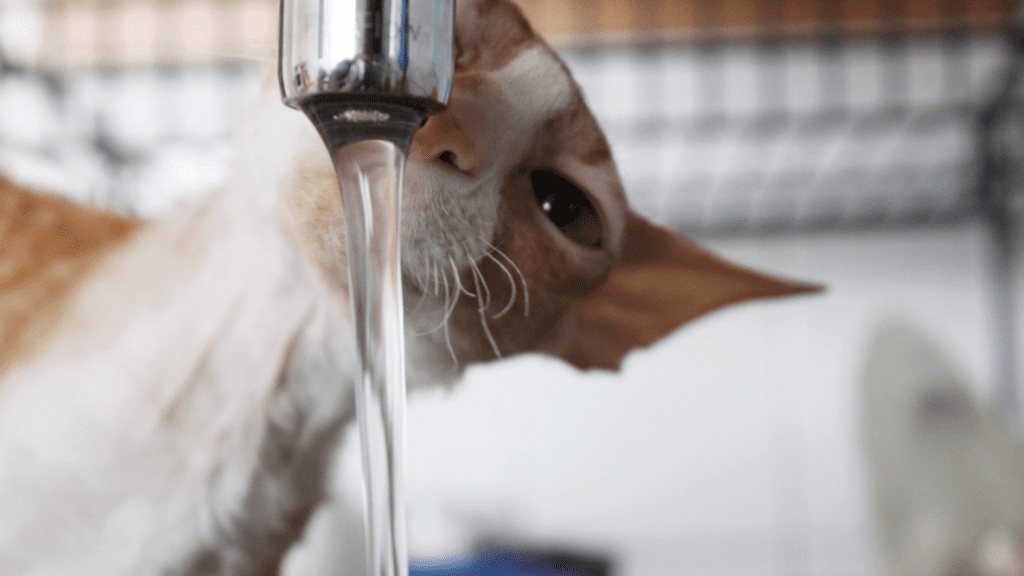
Cats love drinking water but are wary of tactile contact.
Fur Type Determines Everything
Fur matters, but upbringing and temperament also play huge roles.
Conclusion
Cats don’t dislike water without reason. Their evolutionary history, sensitive fur, psychological triggers, and survival instincts all contribute to this unique behavior. While most cats avoid water, understanding their reasons allows owners to care for them more gently and effectively. With patience and the right methods, you can even help your feline friend become more comfortable around water.
FAQs
1. Why do cats hate water but still drink it?
Touching water triggers discomfort, but drinking is essential for survival.
2. Is it okay to bathe my cat regularly?
Only when necessary—most cats groom themselves.
3. Do some cats actually enjoy water?
Yes! Breeds like the Turkish Van and Bengal love it.
4. Can I train my cat to enjoy baths?
Absolutely—slow exposure and rewards work wonders.
5. Why does my cat paw at water before drinking?
They test depth and movement using their paws.
