Stop the Scratch: How to Treat Dog Ear Infection Without Vet Naturally
Did you know that up to 20% of dogs have some form of ear disease at any given time? That’s one in every five pups! These infections can cause discomfort, itching, and even hearing loss if left untreated. While visiting the vet is essential for severe or recurring cases, mild ear infections can often be treated effectively at home using natural methods.
This article covers how to treat dog ear infection without vet—safely, naturally, and confidently. From recognizing early signs to using proven DIY remedies, we’ll walk you through step-by-step so your furry friend gets back to their tail-wagging self.
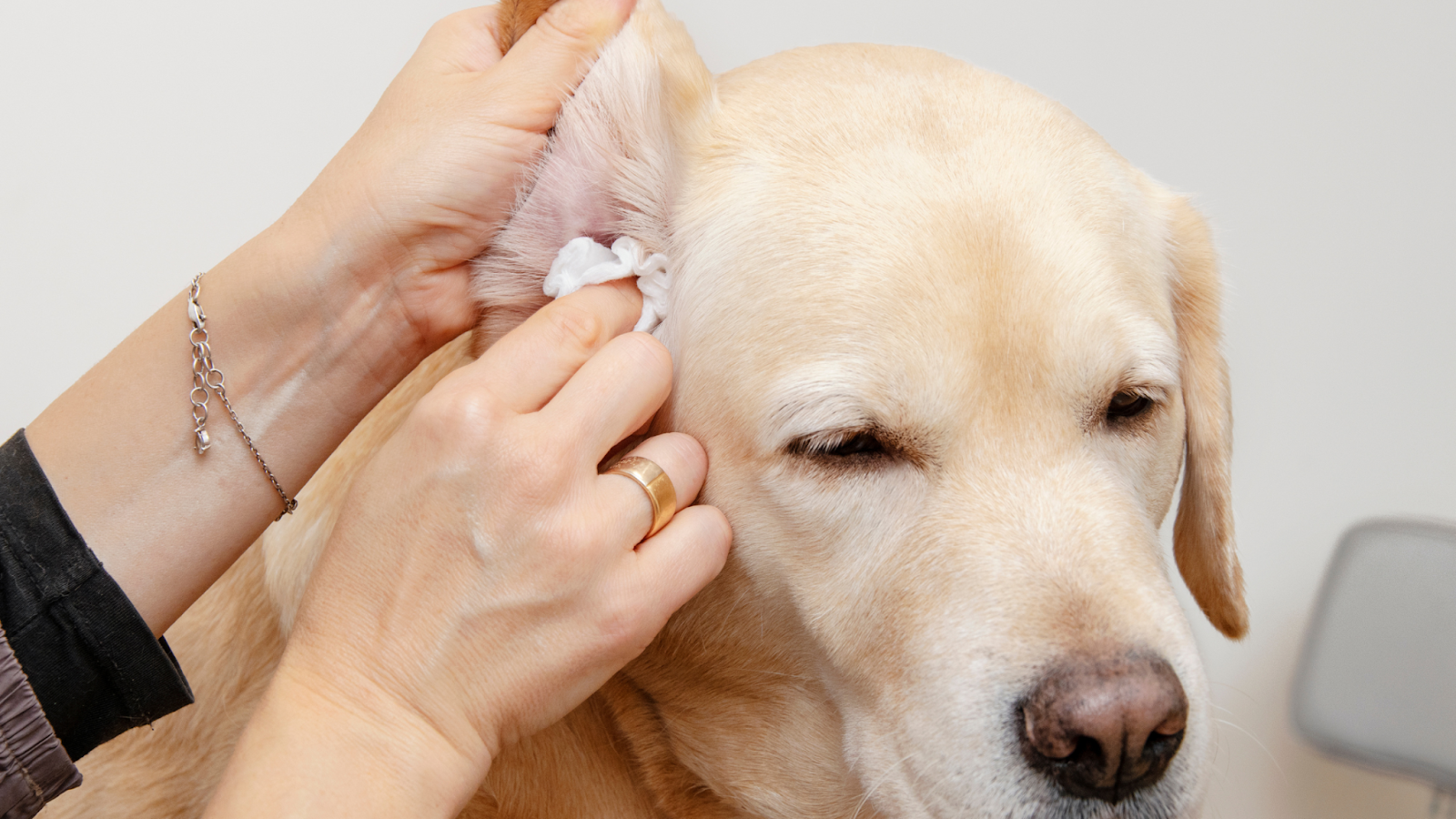
Understanding Dog Ear Infections (Before You Treat)
Before trying any home remedy, it’s essential to understand what you’re dealing with. Dog ear infections usually fall into three categories:
| Type of Infection | Affected Area | Common Symptoms |
| Otitis Externa | Outer ear canal | Itching, redness, head shaking |
| Otitis Media | Middle ear | Balance issues, pain, discharge |
| Otitis Interna | Inner ear | Hearing loss, walking in circles |
Common Causes:
- Bacteria or yeast overgrowth
- Moisture buildup from swimming or baths
- Ear mites or allergies
- Excessive earwax
- Poor grooming or diet
Signs Your Dog Has an Ear Infection
Your dog can’t tell you what’s wrong, but these tell-tale signs scream “something’s up”:
- Constant scratching or pawing at ears
- Foul odor from ears
- Head tilting or frequent shaking
- Swelling or redness inside the ear
- Yellow, brown, or bloody discharge
- Unusual behavior or irritability
If you notice any of these early symptoms, that’s your cue to act fast—before it worsens.
7 Proven Home Remedies for Dog Ear Infections
1. Apple Cider Vinegar & Water Rinse
This time-tested solution balances pH and kills bacteria/yeast.
How to Use:
- Mix equal parts of apple cider vinegar and filtered water
- Soak a cotton ball and gently clean around the ear canal
- Use 1–2 times daily for up to 5 days
⚠️ Do NOT use if the ear has open sores or is bleeding.
2. Coconut Oil Treatment
Coconut oil has antimicrobial and soothing properties, making it ideal for inflamed ears.
How to Use:
- Warm a tablespoon of organic virgin coconut oil until liquid
- Apply a few drops into the ear canal with a clean dropper
- Massage the base of the ear gently
- Repeat once daily for 5–7 days
3. Witch Hazel Solution
Witch hazel dries moisture and soothes inflammation—perfect for post-swim irritation.
How to Use:
- Mix 2 tbsp witch hazel + 1 tbsp aloe vera gel
- Clean outer ear gently using cotton pads
- Use every other day for 1 week
4. Calendula and Olive Oil Drops
Calendula has natural antifungal and anti-inflammatory benefits.
How to Use:
- Steep calendula petals in warm olive oil for 24 hours
- Strain and use 2–3 drops in affected ear
- Massage the base and allow the dog to shake excess out
- Continue for 3–5 days
You May Also Like : How To Stop Dog Siezures Immediately?
5. Green Tea & Chamomile Flush
This combo soothes irritated skin and reduces swelling naturally.
How to Use:
- Brew one chamomile + one green tea bag in 1 cup of water
- Cool to room temperature
- Pour gently into the ear using a syringe
- Let it sit for a minute, then dry with cotton
6. Aloe Vera Gel
Aloe helps calm red, inflamed skin while supporting healing.
How to Use:
- Use pure aloe vera gel (no alcohol or additives)
- Apply a thin layer inside the ear flap
- Do not insert deep into the canal
- Apply 2x a day for visible results
7. Probiotic Powder in Food
A healthy gut supports a healthy immune response—even for ears!
How to Use:
- Choose a dog-safe probiotic supplement (consult your vet if unsure)
- Mix daily with meals as directed on label
- Supports prevention and healing from within

When Home Remedies Are Not Enough
If your dog shows any of these signs, it’s time to see the vet:
- Symptoms persist beyond 7 days
- Yellow or bloody discharge increases
- Your dog yelps when touched
- Visible swelling or fever
- Head tilt or balance issues appear
Remember, while mild cases can improve at home, some infections can damage your dog’s hearing permanently if ignored.
Important Statistics Every Pet Parent Should Know
- One in five dogs suffers from ear disease annually.
- Dogs with floppy ears (like Cocker Spaniels) are 2x more likely to develop chronic infections.
Expert Tips for Prevention & Long-Term Ear Health
| Prevention Tip | Why It Matters |
| Dry ears post-bath | Moisture is the #1 cause of yeast and bacterial growth |
| Weekly visual checks | Spot early signs before they become infections |
| Use natural ear wipes | Maintain pH and reduce buildup |
| Balanced diet with omega-3 | Reduces inflammation and boosts immunity |
| Regular grooming | Especially for long-eared breeds |
Conclusion: Be Proactive, Be Prepared
Learning how to treat dog ear infection without vet not only saves money but helps you respond quickly when your dog needs relief. By using simple, natural remedies and staying informed, you can ensure your dog enjoys a life free from itchy, painful ears.
Still unsure? When in doubt, call your vet. After all, your dog’s ears do a lot more than just hear—they help them explore the world. Let’s keep them healthy!
FAQs
1. Can I use hydrogen peroxide to clean my dog’s ears?
Hydrogen peroxide can irritate sensitive skin in the ear canal. It’s best to avoid it and use gentler alternatives like apple cider vinegar or saline.
2. Is it safe to clean dog ears with Q-tips?
No. Q-tips can push debris deeper and risk damaging the eardrum. Stick to cotton pads or vet-approved droppers.
3. Can a dog ear infection go away on its own?
Minor irritations may subside, but true infections require treatment to prevent worsening. Always intervene early with safe remedies.
4. How long does it take to heal a dog’s ear infection naturally?
Mild cases often improve within 3–7 days, but chronic or recurring infections can take longer and need veterinary help.
5. Can food allergies cause ear infections in dogs?
Yes! Allergies can trigger inflammation, leading to yeast buildup and infection. Switching to a limited-ingredient diet may help.
