How to Make Your Dog a Service Dog – Easy, Expert-Backed Process
Learning how to make your dog a service dog can be life-changing for individuals with disabilities who depend on canine assistance for daily tasks, independence, and safety. According to the American Disabilities Act (ADA), service dogs must be “individually trained to do work or perform tasks for people with disabilities.” They’re not just companions—they’re trained partners.
A 2023 survey found that over 78% of service dog handlers reported a major improvement in daily independence after receiving a trained service dog. Another study by Purdue University showed that service dogs significantly reduced symptoms of PTSD in 63% of participants.
Let’s break down everything you need to know to start this process with confidence.
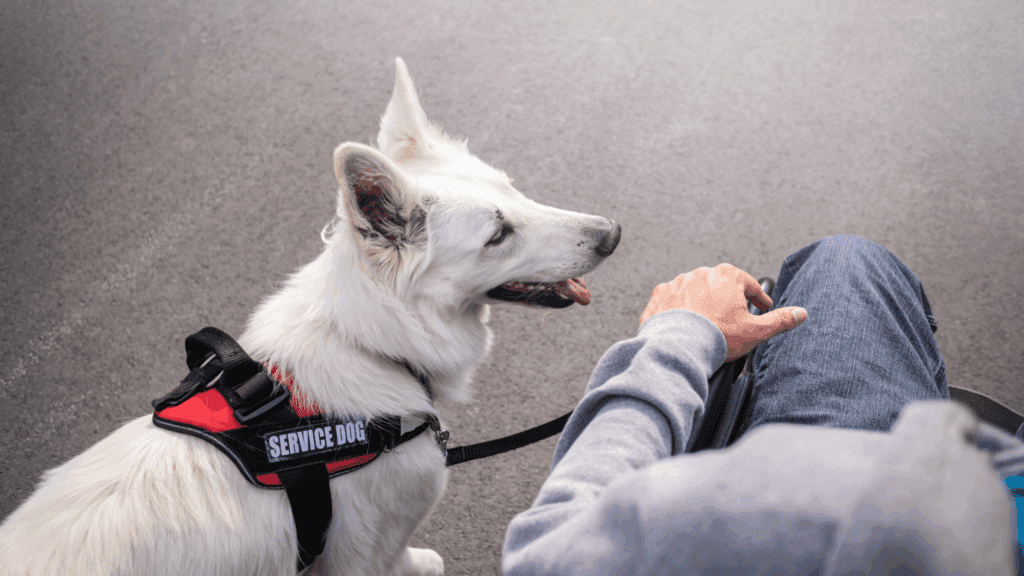
Understanding What a Service Dog Really Is
Key Roles Service Dogs Perform
Service dogs can perform incredible tasks such as retrieving items, guiding visually impaired individuals, reminding owners to take medication, detecting seizures, or interrupting panic attacks. Their training focuses on empowering a person with a disability to lead a more independent and safe life.
Difference Between Service Dogs, Therapy Dogs, and Emotional Support Animals
While these terms are often confused:
- Service Dogs perform trained tasks for a person with a disability.
- Therapy Dogs provide comfort to groups in hospitals or schools.
- Emotional Support Animals (ESAs) provide emotional comfort but do not have public access rights.
Benefits of Service Dogs for Individuals With Disabilities
Physical Support Benefits
A service dog can help with mobility, retrieving objects, opening doors, pulling wheelchairs, or providing balance support.
Emotional and Cognitive Support Benefits
People with PTSD, autism, or anxiety disorders often benefit from grounding techniques, deep pressure therapy, or panic interruption tasks performed by trained service dogs.
Legal Requirements for Service Dogs in the U.S.
ADA Regulations Explained
The ADA states that service dogs:
- Must be trained to perform at least one disability-related task.
- Are allowed in all public spaces—stores, hotels, restaurants, etc.
No certification or ID is legally required.
Rights and Responsibilities of Service Dog Handlers
Handlers must:
- Maintain control over their dog.
- Ensure the dog is well-behaved in public.
- Provide proper care.
Determining Whether Your Dog Is Fit for Service Training
Temperament Traits
The best service dogs are calm, confident, social, and not easily startled. A dog must be willing to learn and able to stay focused, even in busy environments.
Age, Health, and Breed Considerations
Any breed can become a service dog, but:
- Medium to large breeds perform mobility tasks better.
- Younger dogs (under 2 years old) learn faster.
- A vet check ensures your dog is physically capable of the work.
You May Also Like : How To Leash Train A Dog?
Preparing Your Dog for Service Training
Socialization Needs
Expose your dog to different:
- Sounds
- People
- Places
- Environments
This builds confidence and prevents anxiety.
Basic Obedience Skills
Your dog must master:
- Sit
- Stay
- Heel
- Come
- Leave it
These skills lay the foundation for advanced service tasks.
How to Make Your Dog a Service Dog — Step-by-Step Guide
Step 1: Identify the Tasks Your Dog Will Need to Perform
Examples include:
- Alerting to sounds
- Providing stability
- Retrieving medication
- Guiding during mobility
Step 2: Begin Foundational Training at Home
Start with simple commands and gradually introduce more complex behaviors.
Step 3: Consider Professional Service Dog Training Programs
Professional help can speed up progress. Programs vary from private trainers to nonprofit organizations.
Step 4: Public Access Training
Your dog must behave perfectly in:
- Stores
- Public transportation
- Restaurants
- Crowded spaces
Step 5: Task-Specific Training
This is the essential part of becoming a service dog. For example:
- PTSD dogs learn deep pressure therapy
- Mobility dogs learn counterbalance
- Diabetic alert dogs detect glucose level changes
Step 6: Certification and Evaluation (Optional but Helpful)
Although not required, many handlers choose certification from reputable organizations to verify training quality.
Costs Involved in Training a Service Dog
Home Training vs Professional Training Costs
| Training Type | Average Cost |
| Self-training | $500–$2,000 |
| Professional Training | $10,000–$30,000 |
Long-Term Care Costs
Expect food, vet care, and equipment to cost around $1,000–$2,000 per year.
Required Equipment for Service Dogs
Harnesses, Vests, and ID Tags
These help identify your service dog and improve functionality.
Mobility Aids and Task-Specific Gear
This may include pull straps, counterbalance harnesses, or medical alert systems.
Tips for Maintaining Service Dog Skills Long-Term
Ongoing Training Routines
Practice tasks weekly to keep your dog sharp.
Public Behavior Refreshers
Revisit busy public places to maintain proper behavior.
Common Mistakes to Avoid During Service Dog Training
Inconsistent Training Methods
Consistency helps your dog learn faster.
Poor Socialization
A service dog must be comfortable around people, animals, and noise.
Service Dog Success Stories
Many people report significant improvements in independence, confidence, and daily functioning thanks to their trained service dogs.
Conclusion
Training a service dog requires patience, consistency, and a clear plan. By understanding how to make your dog a service dog, you gain the knowledge to transform a well-behaved pet into a life-changing partner. Whether you choose self-training or professional assistance, the key is commitment and compassion. A trained service dog can bring independence, confidence, and safety into daily life.
FAQs
1. How long does it take to train a service dog?
Most service dogs take 12–24 months to fully train.
2. Can any dog become a service dog?
Yes, if they have the right temperament, health, and ability to perform tasks.
3. Do service dogs need certification?
No. The ADA does not require it.
4. Can landlords deny service dogs?
No, service dogs must be accepted even in “no pet” housing.
5. Can I train my dog myself?
Yes, self-training is allowed under U.S. law.
