How Many Teeth Do Dogs Have? Expert Dental Care Tips for Dogs
Ever wondered how many teeth do dogs have and why it matters so much? Dog dental care isn’t just about avoiding bad breath—it’s crucial for their long-term health. According to the American Veterinary Medical Association (AVMA), over 80% of dogs show signs of dental disease by age 3 .
That’s a staggering number, right?
Dogs rely on their teeth for chewing, grabbing, playing, and exploring. So understanding what’s inside your pup’s mouth can help you protect their health more effectively.
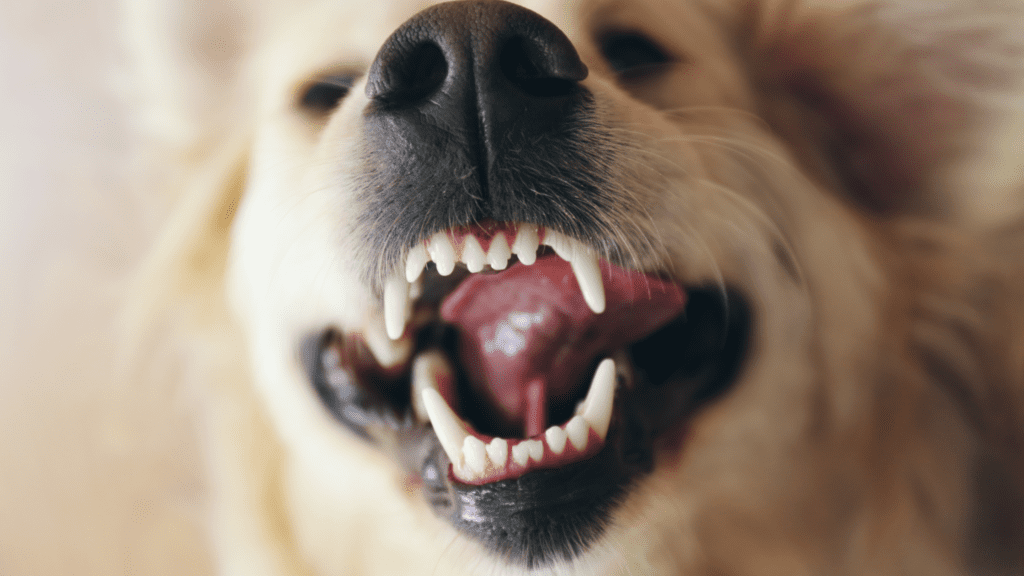
Puppy Teeth – Temporary But Important
When do puppies get baby teeth?
Puppies are born toothless. At around 3 weeks old, their first set of tiny, sharp deciduous (baby) teeth begin to appear.
Signs of teething in puppies
If your puppy is:
- Chewing excessively
- Drooling a lot
- Showing swollen gums
- Acting irritable
…they’re likely teething!
Baby teeth count
Puppies have 28 baby teeth. These include:
| Type of Tooth | Quantity | Purpose |
| Incisors | 12 | Grooming and nibbling |
| Canines | 4 | Grabbing and holding |
| Premolars | 12 | Chewing |
🦴 No baby molars yet — those come later!
Adult Teeth – The Full Set
How many teeth do dogs have when fully grown?
Adult dogs have 42 permanent teeth — 14 more than puppies.
This includes:
| Tooth Type | Total Teeth | Main Job |
| Incisors | 12 | Eating small objects, grooming |
| Canines | 4 | Tearing, defense |
| Premolars | 16 | Chewing |
| Molars | 10 | Crushing hard food |
So, how many teeth do dogs have?
➡️ 42 teeth once fully grown
You’ll now notice molars—these help crush kibble and bones.
Functions of each tooth type
Think of a dog’s mouth like a toolbox:
- Incisors = Tweezers
- Canines = Daggers
- Premolars = Scissors
- Molars = Crushers
Each one has a vital job in survival and daily behavior.
Comparing Dog Teeth vs Human Teeth
| Feature | Dogs | Humans |
| Number of Adult Teeth | 42 | 32 |
| Shape | Pointed for ripping | Flat for grinding |
| Jaw Strength | Designed for tearing | Designed for chewing thoroughly |
Dogs eat faster and don’t chew food as finely as we do. They gulp more than grind!
Why Some Dogs Have Missing Teeth
There are several reasons a dog might lack a full set:
Common causes
- Gum disease
- Genetic defects
- Injury or trauma
- Tooth extraction due to infection
Breed variations
Smaller breeds like Chihuahuas often lose teeth more easily because their mouths are crowded.
Recognizing Dental Issues in Dogs
Early detection can save your dog from painful conditions like periodontal disease.
Watch for:
- Bad breath (not just morning breath!)
- Red or bleeding gums
- Brown/yellow tartar buildup
- Difficulty eating
- Pawing at the mouth
According to PetMD, periodontal disease is the most common condition in adult dogs (Source: PetMD).
If you notice these signs, schedule a vet visit ASAP.
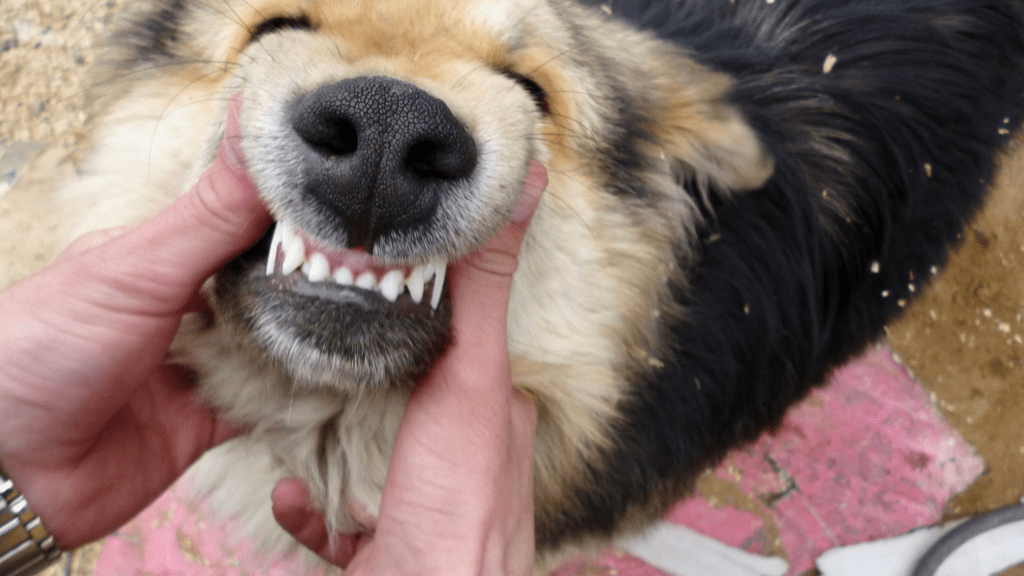
How to Care for Your Dog’s Teeth
Taking care of dog teeth doesn’t need to be complicated.
✔ Brush at least 2–3 times per week
✔ Use toothpaste made for dogs only
✔ Replace damaged chew toys
✔ Schedule yearly dental checkups
Professional cleanings remove plaque under the gums — something a toothbrush can’t reach.
Tip: Start brushing young so they get used to it!
Food & Toys That Support Dental Health
Helpful choices:
- Dental chews
- Crunchy kibble
- Raw bones (with caution and supervision)
- Vet-approved dental toys
Avoid harmful items such as:
- Stones
- Hard antlers
- Cooked bones that splinter
Your dog’s teeth aren’t indestructible!
How Vets Check Dog Teeth
A thorough dental exam may include:
- Gum health inspection
- Checking loose or fractured teeth
- Full mouth X-rays under anesthesia
Even if everything looks fine outside, hidden issues may be lurking below the gumline.
How Many Teeth Do Dogs Have? (Keyword Focus Section)
Let’s reinforce it clearly:
➡️ Puppies have 28 teeth
➡️ Adult dogs have 42 teeth
So if you’ve been wondering how many teeth do dogs have, now you know the magic numbers: 28 and 42!
This difference comes from the addition of molars as dogs grow.
Fun Facts About Dog Teeth
- A dog’s bite force can reach 200–700 PSI depending on breed
- Canine teeth are slightly curved — perfect for gripping prey
- Dogs don’t get cavities as often as humans, but gum disease is a huge risk
- Puppies usually swallow their baby teeth — and that’s normal!
- Dogs’ teeth are coated in enamel, but it’s thinner than humans’
Conclusion
Understanding how many teeth do dogs have gives you a strong foundation for keeping your furry friend healthy. With 28 puppy teeth and 42 adult teeth, dogs rely on each one for chewing, exploring, and playing.
Dental health isn’t optional — it’s essential. Regular brushing, healthy chew options, and professional checkups can extend life expectancy and make every tail wag a little brighter.
A healthy mouth means a healthier dog. 🐶💙
FAQs
1. Do dogs lose all 28 baby teeth?
Yes, every puppy tooth should fall out as the adult 42 teeth come in.
2. How old are dogs when they get all 42 teeth?
Most have all adult teeth by 6–7 months old.
3. What if my dog still has baby teeth after 7 months?
Consult a vet. Retained baby teeth can cause misalignment and infection.
4. How can I keep my dog’s teeth clean without brushing?
Dental chews and water additives help, but brushing is still best.
5. Can dogs get cavities?
Yes, but it’s less common since their diet is lower in sugars.
