Can Dogs Have Honey Safely? Benefits, Risks & Expert Advice
If you’ve ever drizzled honey over your toast and caught your dog staring up at you, you’ve probably wondered: can dogs have honey safely, or is it something better kept out of their bowl? It’s a fair question. Honey is natural, sweet, and often praised for its health benefits in humans—but dogs aren’t just small people with fur.
According to the American Kennel Club, small amounts of honey are generally safe for healthy adult dogs when given correctly. In fact, a survey referenced by veterinary nutritionists notes that over 60% of dog owners occasionally share human foods, including natural sweeteners, with their pets—often without understanding the risks or proper portions.
This article draws on veterinary guidance, nutritional science, and real-world experience to give you a clear, trustworthy answer. By the end, you’ll know exactly when honey is helpful, when it’s risky, and how to make the safest choice for your dog—no guesswork needed.
What Is Honey and Why Do People Consider Giving It to Dogs?
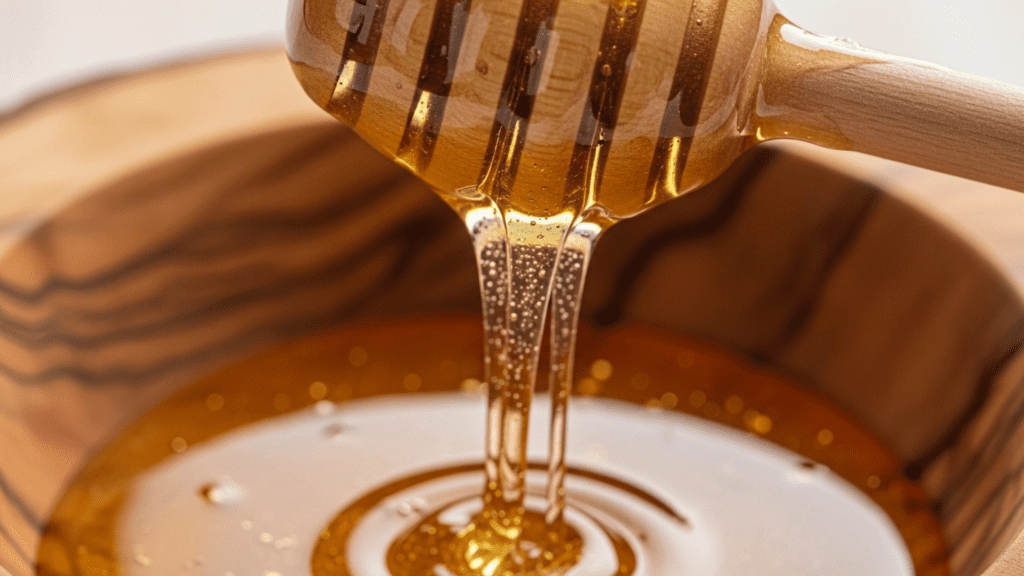
Honey is a natural substance produced by bees from flower nectar. It contains simple sugars like glucose and fructose, trace enzymes, antioxidants, amino acids, and small amounts of vitamins and minerals. For humans, honey is often used to soothe sore throats, support digestion, and provide quick energy.
Pet owners consider honey for dogs for similar reasons. Many people look for natural remedies instead of processed treats, especially when dealing with mild allergies, occasional coughs, or digestive upset. The appeal is understandable-honey feels wholesome and familiar.
However, dogs digest food differently than humans. Their shorter digestive tract and distinct gut bacteria mean that even natural foods can have unexpected effects. That’s why it’s important to look beyond tradition and focus on evidence-based guidance before adding honey to your dog’s diet.
Can Dogs Have Honey? A Clear, Expert Answer
Yes—can dogs have honey is answered with a cautious yes for most healthy, adult dogs. Honey is not toxic to dogs, and in very small amounts, it can be safely consumed.
That said, “safe” does not mean “necessary” or “beneficial for every dog.” Honey is still sugar. Too much can lead to weight gain, dental problems, and blood sugar spikes. Dogs with diabetes, obesity, or compromised immune systems should avoid honey unless a veterinarian specifically recommends it.
Veterinarians generally agree that honey should be treated as an occasional supplement, not a regular dietary item. Think of it as a rare topping, not a staple.
Nutritional Profile of Honey for Dogs
To understand how honey affects dogs, it helps to look at what’s inside it.
| Component | Why It Matters for Dogs |
| Natural sugars | Provide quick energy but can spike blood sugar |
| Antioxidants | Help neutralize free radicals |
| Enzymes | May support digestion in small amounts |
| Trace minerals | Present, but not in amounts dogs rely on |
| Calories | High for the volume consumed |
Honey does not replace a balanced dog diet. Dogs already get the nutrients they need from quality commercial or vet-formulated food. Honey’s value lies in its functional properties, not its nutritional completeness.
Potential Benefits of Honey for Dogs
1. Supports Seasonal Allergies (In Limited Cases)
Some dog owners use locally sourced honey to help dogs adjust to environmental allergens. The idea is that trace pollen in honey may help the immune system become less reactive over time.
While scientific evidence in dogs is limited, some veterinarians acknowledge mild benefits in certain cases. Results vary, and this approach should never replace prescribed allergy treatments.
2. May Soothe Minor Throat Irritation
Honey’s thick texture can coat the throat, which may help calm mild coughing caused by irritation. This is sometimes used short-term when a vet has ruled out infections or serious conditions.
3. Natural Energy Boost
For active dogs or those recovering from illness, a tiny amount of honey can provide quick energy due to its natural sugars. This can be helpful after intense activity or during recovery—under professional guidance.
Risks and Side Effects You Should Know
Even natural foods come with risks, and honey is no exception.
High Sugar Content
Too much sugar can:
- Contribute to obesity
- Increase the risk of diabetes
- Cause dental decay
Dogs don’t need added sugars, so moderation is critical.
Botulism Risk in Puppies
Raw honey may contain spores of Clostridium botulinum. Adult dogs can usually handle these spores, but puppies under one year old have immature immune systems and should never be given honey.
The U.S. Food and Drug Administration also warns against giving raw honey to infants for the same reason—this risk applies across species.
Digestive Upset
Some dogs may experience diarrhea, gas, or vomiting after consuming honey, especially if introduced too quickly or in large amounts.

How Much Honey Is Safe for Dogs?
Portion size depends on your dog’s weight and overall health.
| Dog Size | Safe Amount (Occasional) |
| Small dogs | ¼ teaspoon |
| Medium dogs | ½ teaspoon |
| Large dogs | 1 teaspoon |
Honey should be given no more than once or twice a week, and only if your dog tolerates it well.
Best Types of Honey for Dogs
Not all honey is created equal.
Raw vs. Processed Honey
- Raw honey retains more enzymes and antioxidants but carries a higher risk for puppies.
- Processed honey is safer from a microbial standpoint but contains fewer beneficial compounds.
Manuka Honey
Manuka honey is known for its antibacterial properties and is sometimes used topically on wounds under veterinary supervision. Oral use should still follow strict portion control.
Safe Ways to Give Honey to Your Dog
Here are veterinarian-approved methods:
- Mix a small amount into plain, unsweetened yogurt
- Stir into homemade dog treats (baked thoroughly)
- Add to warm water for dogs recovering from illness
Never drizzle honey directly into your dog’s mouth, as this can cause choking or overconsumption.
Dogs Who Should Not Have Honey
Honey is not recommended for:
- Puppies under 12 months
- Dogs with diabetes
- Overweight dogs
- Dogs with compromised immune systems
If your dog falls into any of these categories, consult your vet before offering honey in any form.
Veterinary Perspective and Real-World Experience
In clinical practice, veterinarians rarely recommend honey as a primary treatment. However, many acknowledge its role as a supportive, short-term aid when used responsibly.
A 2022 review shared by veterinary nutrition experts highlighted that natural supplements can be helpful only when they complement, not replace, evidence-based care. This reinforces the idea that honey should be used thoughtfully, not casually.
Conclusion
So, can dogs have honey? Yes-when used sparingly, thoughtfully, and with your dog’s health in mind. Honey is not a miracle food, but it can be a gentle, natural addition for certain dogs when given in the right way.
The key is balance. Your dog’s primary nutrition should always come from a complete, vet-approved diet. Treat honey as an occasional extra, not a daily habit. When in doubt, your veterinarian is your best guide-after all, every dog is unique.
Used wisely, honey can be a small sweetness in your dog’s life-without the bitter consequences.
FAQs
1. Can dogs have honey every day?
No. Honey should be an occasional treat due to its high sugar content.
2. Is honey better than sugar for dogs?
While honey is more natural, both are forms of sugar and should be limited.
3. Can honey help dogs with coughs?
It may soothe mild throat irritation, but persistent coughing needs veterinary evaluation.
4. Is raw honey safe for dogs?
Raw honey can be safe for healthy adult dogs but should never be given to puppies.
5. Can honey help with dog allergies?
Some dogs may benefit mildly, but results vary and evidence is limited.
