Can Dogs Get COVID? The Truth Vets Want You to Hear
Ever since the pandemic changed how we live, one question keeps popping up in dog-loving households: can dogs get covid? It’s a fair concern. Dogs sleep on our beds, lick our hands, and follow us everywhere like furry shadows. When a virus spreads so easily among humans, it’s only natural to wonder if our four-legged companions are at risk too.
According to the World Health Organization, over 770 million confirmed human COVID-19 cases have been reported globally since 2020. With numbers like that, pet owners understandably worry about spillover effects. The good news? The reality is far less scary than social media rumors make it seem.
This article breaks everything down clearly, calmly, and honestly-no panic, no fluff. Just facts you can trust.

Understanding COVID-19 in Simple Terms
COVID-19 is caused by a virus called SARS-CoV-2. Think of it like an unwanted guest that hijacks human cells to multiply. It spreads mainly through respiratory droplets when people cough, sneeze, talk, or breathe close to each other.
Here’s the key thing: viruses are picky. Just because a virus infects humans doesn’t mean it thrives in animals the same way. Dogs, cats, and humans may share homes, but biologically, we’re very different neighborhoods.
Can Dogs Get COVID? What Science Really Says
Let’s address the big question head-on: can dogs get covid?
Yes-but it’s rare, usually mild, and not something most dog owners will ever face.
What Is SARS-CoV-2
SARS-CoV-2 is a coronavirus, part of a large family of viruses. Some coronaviruses already exist in dogs, but they’re not the same virus that causes COVID-19 in humans. That distinction matters a lot.
How COVID-19 Affects Animals
Research shows that dogs can occasionally test positive after close contact with infected humans. However, their bodies don’t provide a welcoming environment for the virus. In simple terms, the virus shows up, realizes it’s in the wrong house, and leaves.
A study published by the CDC noted that less than 1% of pets exposed to COVID-positive owners showed any signs of illness.
Dogs vs Humans – Key Biological Differences
Dogs have different ACE2 receptors-the “doorways” the virus uses to enter cells. In dogs, those doors don’t open very well. That’s why infections tend to be short-lived and mild.
Documented Cases of COVID-19 in Dogs
Real-World Examples
There have been confirmed cases worldwide where dogs tested positive after their owners were sick. Most dogs showed no symptoms at all. A few had mild signs like sneezing or tiredness.
How Common Is It Really?
Extremely uncommon. Compared to millions of human cases, confirmed canine cases number in the hundreds globally. Statistically speaking, your dog is more likely to catch a stomach bug from trash diving than COVID from you.
You May Also Like : Can Dogs Get Lice?
How Dogs Can Be Exposed to the Virus
Human-to-Dog Transmission
The primary route is close, prolonged contact with an infected human—think cuddling, kissing, sharing beds. Even then, transmission is unlikely.
Can Dogs Spread COVID Back to Humans?
This is a big relief for pet parents: there’s no evidence that dogs play a role in spreading COVID-19 to humans. Major health authorities agree dogs are dead-end hosts.
Symptoms to Watch for in Dogs
Most dogs won’t show anything at all. But in rare cases, symptoms may appear.
Mild Symptoms
- Sneezing
- Mild cough
- Lethargy
- Slight loss of appetite
Rare or Severe Symptoms
- Breathing difficulty (very rare)
- Fever
- Vomiting or diarrhea
If symptoms appear, they usually resolve within a few days.
Diagnosis and Testing in Dogs
When Testing Is Recommended
Testing is not routine. Vets usually recommend it only if:
- The dog shows symptoms and
- The owner recently tested positive
How Vets Confirm Infection
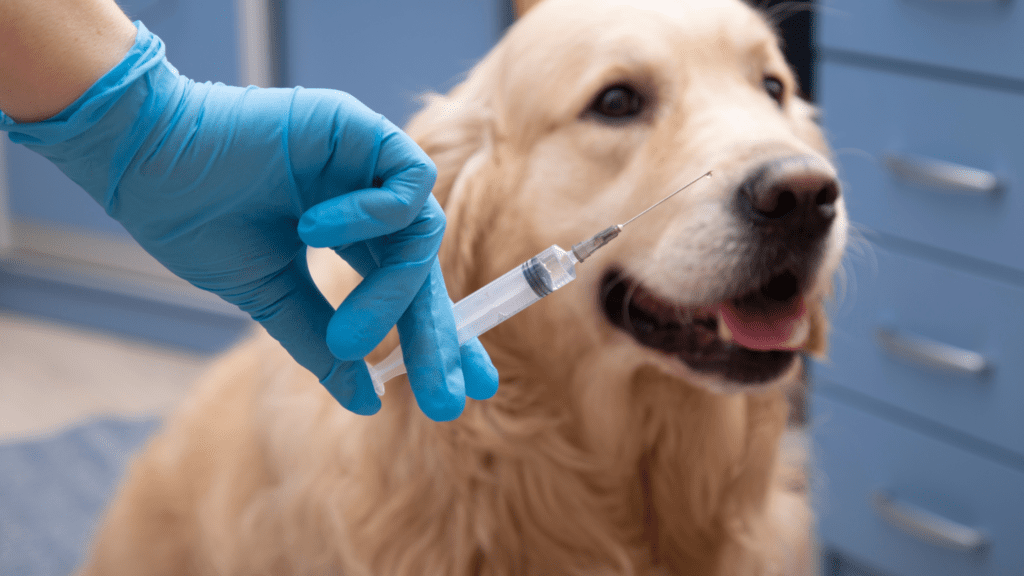
Testing involves nasal or oral swabs, similar to human tests. These are handled by specialized labs and guided by veterinary authorities.
Treatment and Recovery
Home Care for Infected Dogs
There’s no special COVID medication for dogs. Treatment focuses on comfort:
- Rest
- Hydration
- Monitoring symptoms
Veterinary Treatment Options
In very rare severe cases, vets may provide supportive care like fluids or oxygen. Most dogs recover fully without complications.
Prevention Tips for Pet Owners
Hygiene and Daily Care
- Wash hands before and after handling pets
- Avoid face licking
- Keep food bowls clean
What to Do If You’re Sick
If you test positive:
- Limit close contact
- Let another household member handle care if possible
- Wear a mask around your dog
Think of it like protecting a toddler-simple precautions go a long way.
Vaccines and Dogs: Clearing the Confusion
There is no approved COVID-19 vaccine for dogs, and none is needed. The virus doesn’t circulate among dogs the way it does in humans, so vaccination isn’t recommended.
Expert Opinions and Global Health Guidance
Organizations like the WHO, CDC, and World Organisation for Animal Health (WOAH) agree on one thing: dogs are not a public health risk for COVID-19.
Veterinary experts consistently emphasize calm, science-based decision-making over fear.
Myths and Facts About Dogs and COVID-19
| Myth | Fact |
| Dogs easily spread COVID | No evidence supports this |
| Dogs need COVID vaccines | Not necessary |
| Pets should be abandoned | Completely false and harmful |
Conclusion: What Every Dog Owner Should Remember
So, can dogs get covid? Technically yes—but in practical terms, it’s not something most pet owners need to lose sleep over. Dogs aren’t drivers of the pandemic, they don’t spread the virus to humans, and when infections happen, they’re usually mild and short-lived.
The best approach is simple: stay informed, follow basic hygiene, and keep loving your dog the same way you always have. After all, in a world that’s felt uncertain for years, that wagging tail is still one of the safest comforts around.
FAQs
1. Can dogs get covid from their owners?
Yes, but it’s very rare and usually mild.
2. Should I isolate from my dog if I’m sick?
Basic distancing is recommended, but no need for extreme measures.
3. Can my dog die from COVID-19?
Deaths are extraordinarily rare and usually linked to other health issues.
4. Do dogs need to be tested regularly?
No, routine testing isn’t recommended.
5. Can puppies get COVID-19?
Possible, but extremely unlikely and usually symptom-free.
