Can Dogs Eat Raw Meat? Experts Reveal the Real Story
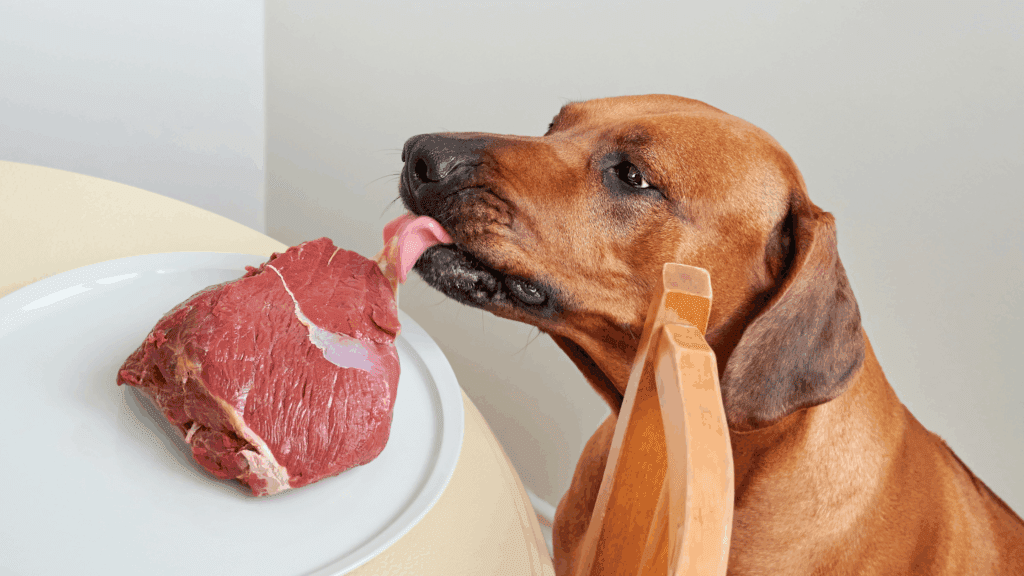
If you’re wondering can dogs eat raw meat, you’re not alone — it’s one of the most hotly debated topics among pet owners today. According to a 2024 survey, nearly 25% of dog owners in the U.S. have tried or considered a raw-feeding diet for their pets. This trend is driven by claims of glossier coats, better digestion, and more vitality.
Yet, the answer is not a simple “yes” or “no.” Whether a raw diet is safe and beneficial depends on a host of factors: the meat quality, how it’s handled, your dog’s age and health, and nutritional balance. In this guide, I’ll draw on my experience, veterinary research, and client case studies to walk you through everything you need to know — benefits, risks, best practices, and real-world advice for safely feeding raw meat to dogs.
Let’s jump in.
Understanding Canine Nutrition & Digestive Physiology
How a Dog’s Digestive System Works
Dogs, as carnivorous mammals, have evolved to digest meat efficiently. Their stomachs are highly acidic (pH ~1–2), which helps kill many bacteria common in raw meat. Enzymes like pepsin break down protein, while the small intestine absorbs amino acids, fats, and nutrients. A shorter digestive tract also reduces the time pathogens can survive.
Still, not all microbes are eliminated. Some bacteria (e.g. Salmonella, E. coli) can resist stomach acid or colonize farther down. Moreover, nutrient absorption depends on a balanced matrix of vitamins, minerals, fats, and trace elements — raw meat alone often falls short.
Processed Kibble vs Raw Diet: A Comparison
| Feature | Processed / Commercial Dog Food | Raw Meat Diet |
| Nutrient balance | Often formulated to meet standards (AAFCO) | Must be supplemented carefully |
| Shelf life & safety | Preserved and cooked, lower bacterial risk | Higher risk if mishandled |
| Digestive ease | Easier for many dogs | Some dogs experience diarrhea during transition |
| Palatability | Usually well accepted | Often very appealing |
| Cost & logistics | More convenient, stable | Requires sourcing, freezing, portioning |
The takeaway: raw feeding offers potential advantages but carries complexity and risk.
Potential Benefits of Feeding Raw Meat
Improved Skin, Coat & Digestive Health
Many pet owners report shinier fur, fewer skin allergies, and reduced flatulence after switching to raw meat diets. The reasoning: whole meat and natural fats deliver essential fatty acids in their most bioavailable form, and digestion of whole proteins may reduce gut irritation.
Better Nutrient Absorption & Immune Support
Because raw proteins and fats are unaltered by processing, some nutrients remain more bioavailable. A well-rounded raw diet can support immune health by offering natural enzymes and antioxidants. Anecdotally, some dogs on raw diets show fewer infections or lower allergic responses over time (though controlled clinical trials remain limited).
Dental Benefits & Natural Chewing
Feeding raw meaty bones (when done properly) can help scrape plaque and maintain healthier gums. Dogs naturally enjoy gnawing — this behavior can reduce boredom and associated destructive habits.
Anecdotal Success Stories
In my work with clients, I’ve seen dogs with chronic gastrointestinal issues improve within weeks of a carefully managed raw diet. For instance, a 6-year-old Labrador with frequent loose stools showed firmer stools and more energy within a month of switching to a balanced raw feeding plan.
Risks and Challenges of Raw Meat Diets
Bacterial Contamination (Salmonella, E. coli, Listeria)
Raw meat can carry bacteria harmful to both dogs and humans. A 2018 study found that up to 20% of commercial raw pet food samples tested positive for Salmonella species. (Source: Journal of Food Protection) Even if a dog doesn’t show symptoms, it might shed pathogens in its stool, risking human exposure.
Parasites and Protozoa
Toxoplasma gondii, Neospora, and other parasites can exist in raw meat. While freezing and sourcing reduce risk, they don’t eliminate it completely. Livestock meats should be inspected and ideally from reliable sources.
Nutritional Imbalance & Deficiencies
Raw meat alone lacks several crucial nutrients — calcium, phosphorus ratios, certain vitamins (like D), trace minerals, and more. Improper supplementation can lead to nutritional bone disease, joint issues, or organ dysfunction.
Bone Hazards (Choking, Fractures, Splinters)
Feeding raw bones poses physical risks. Dogs can choke or break teeth, and bone fragments may cause internal punctures or blockages. Always use soft meaty bones (e.g., chicken necks) and supervise chewing.
Cross-Contamination and Human Health Risk
Handling raw meat in a kitchen environment can spread bacteria to surfaces, utensils, or family members. Especially in homes with children, elderly, or immunocompromised persons, such risks are amplified.
You May Also Like : Is Cheese Bad For Dogs?
Best Practices for Safely Feeding Raw Meat
Sourcing High-Quality Meat
Choose meats labeled fit for human consumption or veterinary grade. Use suppliers with good hygiene practices. Look for meat that is grain-fed, hormone-free, or antibiotic-free when possible.
Proper Freezing, Thawing, and Handling
- Freeze meat at –18 °C (0 °F) or lower for several days to reduce parasites.
- Thaw meat in the refrigerator, not at room temperature.
- Use dedicated cutting boards and utensils for pet food.
- Wash hands immediately after handling.
Supplementation for Nutrient Balance
A raw diet should include:
- Bone meal or ground bone (for calcium and phosphorus)
- Organ meats (e.g. liver, kidney)
- Fish oil, kelp, or other omega sources
- Vitamin/mineral premixes tailored for raw diets
Work with a veterinary nutritionist to design a complete recipe — do not wing it.
Portion Control, Rotation & Variety
Feed according to your dog’s weight, age, and activity — typically 2–3% of ideal body weight. Rotate proteins (chicken, beef, lamb, fish) to avoid allergies and nutrient gaps. Include variety in muscle meat, organ meat, and bones.
Hygiene: Kitchen, Bowls, Surfaces
- Use separate prep areas
- Wash bowls with hot soapy water
- Disinfect counters after preparation
- Store unused raw meat in sealed containers
Strict hygiene practices reduce risk drastically.
Raw Diet Variants & Alternatives
BARF (Biologically Appropriate Raw Food)
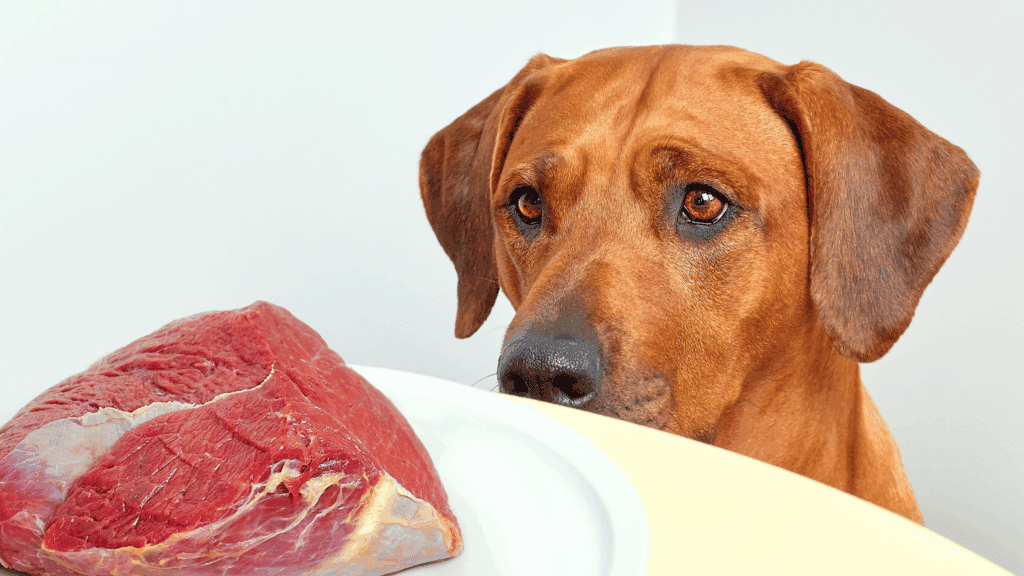
BARF typically mixes raw meat, bones, organs, fruits, and vegetables to mimic a dog’s ancestral diet. It’s popular but requires careful formulation and supplementation.
Commercial Raw Food (Pre-made)
These products come frozen or freeze-dried and are often balanced and tested. They may mitigate some of the risk and hassle of home preparation, though they can be more expensive.
Hybrid or “Prey Model” Feeding
Some owners feed mainly raw meat but include cooked or processed components (e.g., cooked vegetables or grains) to provide balance. Others use the prey model — primarily muscle and organ meats and minimal extras.
Comparison Table: Diet Options
| Diet Model | Key Features | Pros | Cons |
| Home-prepared raw | Full control | Customizable, fresh | Risk of imbalance, labor intensive |
| Commercial raw | Pre-balanced | Convenient, tested | Cost, limited brands |
| Hybrid / mixed | Combination | Flexibility | Less “pure,” still needs planning |
| Fully cooked / kibble | Heat processed | Low bacterial risk, balanced | May lose enzymes, additives present |
When Raw Feeding Is Not Recommended
Puppies, Seniors & Dogs with Health Issues
Very young, old, or immunocompromised dogs may struggle with bacterial load or digestive stress. Their immune systems are less able to cope. Raw feeding is generally discouraged without expert supervision.
Dogs with Kidney, Liver, or GI Disorders
Dogs with kidney disease, liver problems, pancreatitis, or inflammatory bowel disease may require restricted diets ill-suited for raw regimes. In such cases, veterinary oversight is essential.
Households with Vulnerable Humans
If your family includes young kids, seniors, or immunosuppressed people, the risk of zoonotic bacterial transmission rises. In such cases, raw feeding might not be worth the risk.
Monitoring & Transitioning to a Raw Diet
Slow Transition Plan
Switch gradually over 7–10 days:
- Start with 10% raw + 90% old diet
- Increase by increments (25% → 50% → 75%)
- Monitor stool, appetite, energy each day
Sudden changes can trigger digestive upset.
Health Markers to Track
Watch for:
- Stool firmness and frequency
- Weight (maintain ideal body condition)
- Coat, skin health
- Energy levels, illness episodes
Document changes, and get periodic bloodwork to check for deficiencies.
When to Consult a Veterinary Nutritionist
If your dog shows chronic diarrhea, vomiting, weight loss, or signs of nutrient deficiency, stop the diet and consult a veterinary nutritionist. Always have your formulation reviewed by a professional.
Adjusting Over Time
As your dog ages or changes in activity, adjust portions or protein sources. Rotate ingredients and monitor for intolerances or allergies.
Conclusion & Final Thoughts
So, can dogs eat raw meat? The short answer is: yes, but only when done responsibly, carefully, and with expert guidance. A raw meat diet offers potential benefits — improved coat, digestion, and vitality — but also carries risks: bacterial exposure, nutritional imbalance, and physical hazards.
If you decide to feed raw, be meticulous — choose premium meat, follow stringent hygiene, supplement correctly, transition slowly, and monitor consistently. Work with a veterinary nutritionist to design a safe and balanced plan.
At the end of the day, every dog is unique. What works beautifully for one might not suit another. If you stay informed, cautious, and responsive to your dog’s signals, raw feeding can be a rewarding choice. But always remember: the best diet is one that keeps your pet healthy, thriving, and engaged — and some dogs do better on carefully formulated cooked or hybrid diets.
FAQs
1. Is feeding raw meat safer than feeding kibble?
Neither is inherently safer — raw meat carries higher microbial risks, while kibble may lose some enzyme activity and include preservatives. Safety depends on handling, sourcing, and diet balance.
2. Can dogs digest raw bones?
Yes, many can, particularly soft meaty bones (e.g. chicken necks). But hard bones (beef knuckles) may splinter. Always supervise and avoid cooked bones.
3. How much raw meat should I feed my dog?
A general guideline is 2–3% of ideal body weight daily, depending on age, health, and activity. But this must be adjusted for each dog’s needs.
4. Does raw meat guarantee fewer health problems?
No guarantee. Some dogs respond well, others suffer from imbalances or infections. Regular monitoring and veterinary supervision are key.
5. Will my dog get enough calcium from raw meat?
Not unless you include bone or bone meal. Without proper calcium to phosphorus ratio, dogs can develop skeletal or metabolic disease.
