Can Dogs Eat Ice Cream? The Truth Vets Want You to Know
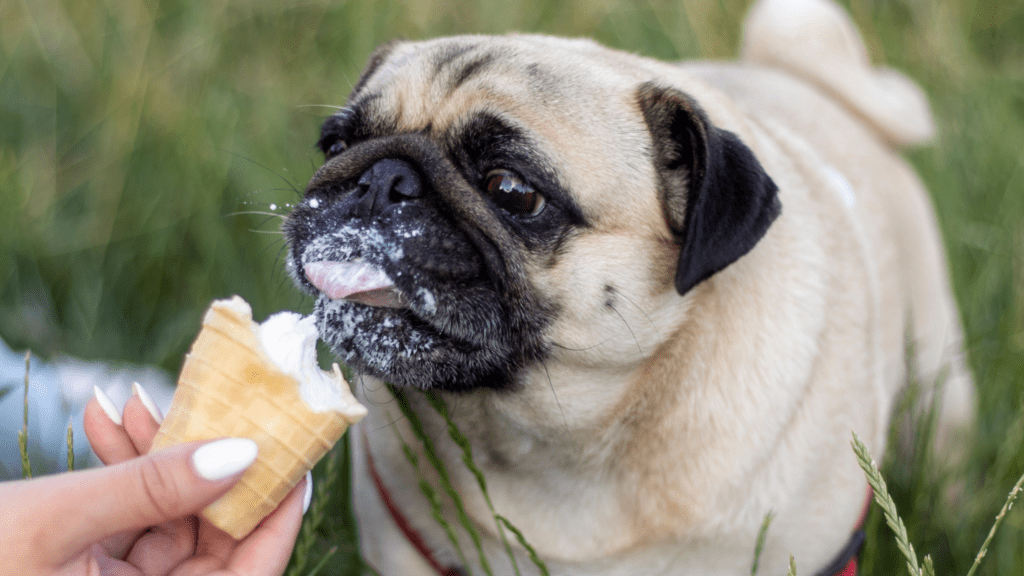
It’s a hot summer day. You’re enjoying a scoop of creamy ice cream, and suddenly, those big puppy eyes lock onto you. The question pops into your head—can dogs eat ice cream, or is it a bad idea? You’re not alone. Millions of dog owners wonder the same thing every year.
Here’s a surprising stat to set the stage: about 70% of adult dogs show some degree of lactose intolerance, according to veterinary nutrition studies. That alone raises a red flag when it comes to dairy-based treats like ice cream.
Ice cream feels harmless, even loving, when shared. But beneath that sweet, frozen surface are ingredients that may spell trouble for your furry friend. Let’s break it all down in a clear, honest, and vet-informed way so you can make the best choice for your dog.
What Is Ice Cream Made Of? A Quick Breakdown
Before answering whether dogs should eat ice cream, it helps to understand what’s actually inside it.
Dairy Ingredients and Lactose
Traditional ice cream is packed with milk and cream. While humans digest lactose easily, most dogs don’t. As dogs grow, their bodies produce less lactase—the enzyme needed to break down lactose. The result? Upset stomachs, gas, and diarrhea.
Sugar, Sweeteners, and Artificial Additives
Ice cream contains high levels of sugar. Even “low-sugar” or “sugar-free” versions often use artificial sweeteners, some of which are extremely dangerous for dogs.
Common Flavorings and Toppings
Chocolate chips, caramel swirls, cookies, and nuts may taste amazing to us, but many of these add-ins are toxic or unsafe for dogs.
Can Dogs Eat Ice Cream Safely?
Short answer: most dogs should not eat ice cream. Long answer? Let’s look at why.
Lactose Intolerance in Dogs
Just like some humans, dogs can be lactose intolerant—but it’s far more common in dogs. Symptoms include loose stools, vomiting, bloating, and stomach pain, often within hours of eating ice cream.
Sugar and Obesity Risks
According to the Association for Pet Obesity Prevention, over 59% of dogs in the U.S. are overweight or obese. Ice cream adds empty calories fast, increasing the risk of diabetes, joint issues, and heart problems.
Artificial Sweeteners Like Xylitol
Xylitol is a big no. Even small amounts can cause a rapid insulin release in dogs, leading to hypoglycemia, seizures, liver failure, or worse. Some “no sugar added” ice creams contain it, making them especially dangerous.
Health Risks of Feeding Ice Cream to Dogs
Digestive Problems
The most common reaction is digestive distress. Diarrhea, gas, and vomiting can appear quickly and leave your dog uncomfortable and dehydrated.
Pancreatitis Concerns
Ice cream is high in fat. Fatty foods can trigger pancreatitis, a painful and potentially life-threatening condition. Small breeds and older dogs are especially at risk.
Long-Term Health Issues
Repeated exposure to sugary, fatty foods may lead to obesity, dental disease, and metabolic disorders. Ice cream shouldn’t become a habit—ever.
You May Also Like : Can Dogs Have Rice?
Stats and Research on Dogs and Dairy
Veterinary Studies and Findings
Veterinary nutritionists consistently advise against feeding dairy-based desserts to dogs. Research published by pet nutrition experts confirms that most dogs lack sufficient enzymes to digest dairy properly.
Expert Opinions from Vets
According to the American Veterinary Medical Association, treats should make up no more than 10% of a dog’s daily caloric intake – and that’s assuming the treats are dog-safe. Ice cream doesn’t qualify.
Are Some Dogs Able to Tolerate Ice Cream?
Breed and Size Factors
Some dogs may tolerate small amounts better than others, particularly larger breeds. However, tolerance doesn’t equal safety.
Age and Health Conditions
Puppies, senior dogs, and dogs with diabetes, obesity, or sensitive stomachs should never be given ice cream.
Dog-Friendly Ice Cream Alternatives
Good news—you don’t have to say no to frozen treats altogether.
Store-Bought Dog Ice Cream
Many pet brands offer dog-specific ice cream made without lactose, sugar, or harmful additives.
Homemade Frozen Treats
Plain yogurt (lactose-free), mashed banana, or pumpkin puree frozen into cubes can be a safe and tasty option.
Fruits Dogs Can Safely Eat Frozen
Frozen blueberries, watermelon (seedless), and strawberries are refreshing, low-calorie treats dogs often love.

Ingredients to Avoid at All Costs
Chocolate and Coffee
Chocolate contains theobromine, which is toxic to dogs—even in small amounts.
Xylitol and Artificial Sweeteners
Never take the risk. Always read labels carefully.
Nuts and Raisins
Macadamia nuts and raisins can cause serious neurological and kidney problems.
How Much Is Too Much? Portion Control Explained
Occasional Treat vs Habit
If a dog accidentally licks a tiny bit of plain vanilla ice cream once, it’s unlikely to cause harm. But regular feeding? That’s where problems start.
Serving Size Guidelines
Even dog-safe frozen treats should be portion-controlled based on size, weight, and activity level.
Signs Your Dog Reacted Badly to Ice Cream
Immediate Symptoms
Watch for diarrhea, vomiting, gas, lethargy, or excessive thirst.
When to Call the Vet
If symptoms persist longer than 24 hours or include tremors, weakness, or collapse, seek veterinary care immediately.
Conclusion: Final Verdict for Dog Owners
So, can dogs eat ice cream? Technically, a lick won’t always cause harm – but that doesn’t make it a good idea. Ice cream offers no nutritional benefit for dogs and carries real risks, from digestive upset to serious toxicity.
Choosing dog-safe frozen alternatives is the smarter, kinder option. Your dog doesn’t need ice cream to feel loved—your care, attention, and informed choices matter far more.
FAQs
1. Can dogs eat ice cream in small amounts?
Very small amounts may not cause harm, but it’s still not recommended.
2. Is vanilla ice cream safe for dogs?
Plain vanilla lacks chocolate but still contains lactose and sugar, making it unsafe for most dogs.
3. Can puppies eat ice cream?
No. Puppies have even more sensitive digestive systems.
4. What happens if my dog eats ice cream accidentally?
Monitor for digestive upset and contact a vet if symptoms appear.
5. Is dog ice cream better than regular ice cream?
Yes. Dog-specific ice cream is formulated to be safe and digestible.
