Can Dogs Eat Apples: Healthy or Risky?
When you reach for a crisp apple, it’s only natural for your dog to give you those big, hopeful eyes. You might ask yourself, can dogs eat apples and still stay healthy? Good news: when served the right way and in sensible portions, apples can be a fresh, hydrating bite that fits into many dogs’ routines. Even better, they’re easy to prep and budget-friendly.
Here’s why this matters: weight control is a major issue in modern dog care. An estimated majority of pet dogs in the U.S. are overweight or obese, which can shorten lifespan and raise the risk of joint disease and diabetes, helping with low-calorie, nutrient-rich treats makes a difference . Apples can be part of that plan when you do them right—think seedless slices, proper portions, and mindful serving. Let’s walk through exactly how to do it safely and confidently.
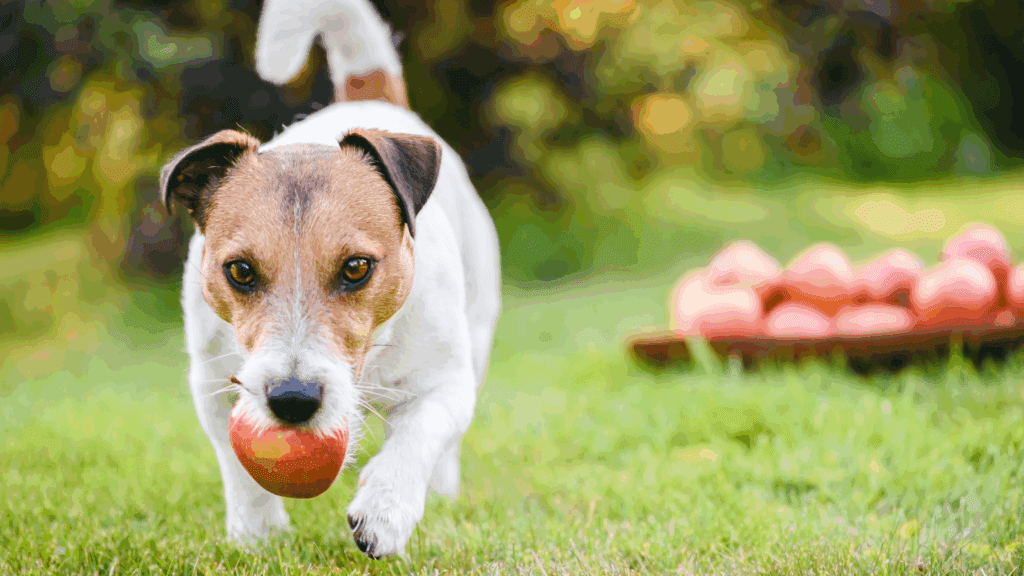
Quick Answer and Safety Snapshot
- Yes, apples can be a safe, healthy treat for many dogs when you remove seeds, core, and stem.
- Offer small, bite-size slices to reduce choking risk, and start with a tiny amount to check tolerance.
- Keep portions modest, treats of any kind should generally stay under 10% of daily calories.
- Skip sugary, flavored, or sweetened apple products. Plain, fresh apple is best.
Can dogs eat apples: Vet-Reviewed Guidance
Apples are mostly water and fiber, with a little natural sugar and a few helpful micronutrients. They’re not a meal replacement, but they can be a smart, crunchy treat. This treat shines in warm weather for hydration, in training for low-calorie rewards, and as a novel texture to keep your dog engaged.
Two rules lead the way. First, remove the seeds, core, and stem before serving. Second, keep portions small and consistent with your dog’s size and daily calorie needs. If your dog has a sensitive stomach or a chronic health condition, check with your veterinarian before introducing new foods.
Health Benefits for Dogs: Fiber, Hydration, and Micronutrients
Apples bring gentle benefits when used thoughtfully:
- Fiber-friendly: The natural fiber supports regularity and can help some dogs feel fuller on fewer calories. One medium apple (about 182 g) provides roughly 4.4 g of dietary fiber, which contributes to digestive health.
- Hydration help: Apples are high in water, which can be welcome after a walk or play session.
- Micronutrient sprinkle: You’ll find small amounts of vitamin C and polyphenols. While dogs synthesize vitamin C, extra antioxidants from food can still be a nice plus.
- Chew and enrichment: Crisp slices add a different mouthfeel and sound, which can enrich your dog’s sensory world—especially if you rotate treats for novelty.
Keep in mind, “healthy” doesn’t mean “limitless.” As with any treat, moderation is key.
You May Also Like : Can Dogs Eat Bananas?
Risks to Avoid: Apple Seeds Toxicity, Core, and Choking Hazards
Apples aren’t risk-free, but the hazards are easy to manage:
- Seeds and core: Apple seeds contain cyanogenic compounds. A few swallowed seeds are unlikely to cause harm, but there’s no nutritional upside to keeping them in. Always remove seeds, core, and stem before serving.
- Choking hazard: Big chunks can stick in the throat, especially for gulpers and small breeds. Slice thinly and supervise.
- Sugar load: Apples are naturally sweet. Too much can upset the stomach or add unnecessary calories. Keep portions sensible, particularly for dogs with weight or blood sugar concerns.
- Upset stomach: Any new food can trigger loose stool or gas. Start small, then watch and adjust.
Serving Guide: Apple Slices for Dogs, Peel or No Peel, and Applesauce
Here’s how to make apples a safe, simple win:
- Wash thoroughly: Rinse to remove surface residue. Peel if you want to minimize fiber for sensitive tummies, but the peel does carry more fiber and some phytonutrients.
- Slice thin: Think small wedges or cubes that your dog can crunch and swallow easily.
- Ditch the core: No seeds, core, or stem—always.
- Fresh beats processed: Avoid sweetened applesauce, pies, cobblers, dried apple chips with added sugar, or anything with spices like nutmeg or xylitol (toxic to dogs). Plain, unsweetened applesauce is acceptable in small amounts.
- Frequency: Treats should generally be under 10% of daily calories. Rotate with other safe produce to diversify nutrients and keep interest high.
Apple Forms at a Glance
| Form | What’s Good | What to Watch |
|---|---|---|
| Fresh slices | Hydrating, crunchy, low-calorie | Remove core, seeds, slice small |
| Peeled | Gentler on sensitive stomachs | Slightly less fiber/phytonutrients |
| Unsweetened applesauce | Easy to mix with kibble or lick mat | Portion small, avoid added sugar/spice |
| Dehydrated (plain) | Handy for training, shelf-stable | More concentrated sugar per gram, keep portions tiny |
| Cooked apple (plain) | Soft for seniors | No spices, butter, or sugar |
Portion Sizes by Weight and Activity: A Practical Table
These are starting points, not hard rules. Adjust for your dog’s age, activity, and total treat intake. If your dog has a medical condition, ask your vet for tailored guidance.
| Dog Weight | Starting Portion (Fresh Apple) | Frequency | Notes |
|---|---|---|---|
| Under 10 lb (4.5 kg) | 1–2 thin slices (about 10–15 g total) | 2–3x/week | Cut very small, watch for choking |
| 10–25 lb (4.5–11 kg) | 2–4 thin slices (15–30 g) | 2–3x/week | Use as training topper sparingly |
| 25–50 lb (11–23 kg) | 3–6 thin slices (30–60 g) | 2–3x/week | Balance with other treats |
| 50–75 lb (23–34 kg) | 4–8 thin slices (40–80 g) | 2–3x/week | Monitor stool quality |
| 75+ lb (34+ kg) | ½ small apple in thin slices (up to ~90 g) | 2–3x/week | Split across the day if needed |
Tip: If you’re using apples as training treats, dice them into pea-sized cubes and mix with a few higher-value bites to keep your dog engaged without overdoing fruit.
Special Cases: Puppies, Senior Dogs, Diabetic Dogs, and Allergies
Puppies
Puppies can try tiny amounts once they’re well-established on balanced puppy food and handling new proteins and textures with no issues. Cut paper-thin slices or micro-cubes. Go slow—tiny bellies, big reactions. If stools loosen, pause and try again later.
Senior Dogs
Seniors often love soft textures. Lightly steam or bake plain apple pieces to soften. For those with dental disease or missing teeth, a puree or unsweetened applesauce (very small amounts) can be gentler.
Diabetic Dogs
Fruits contain natural sugars, so caution is the name of the game. If your dog has diabetes, ask your vet whether apples fit the plan and, if so, how much and when relative to insulin or meals. Small, consistent portions are key, and sometimes it’s better to choose non-fruit treats with more predictable effects.
Allergies and Sensitivities
True apple allergy is uncommon but possible. Signs include itching, facial swelling, vomiting, or diarrhea soon after eating. If any of these appear, stop immediately and call your vet. For sensitive stomachs, try peeled, very thin slices and build up slowly if tolerated.
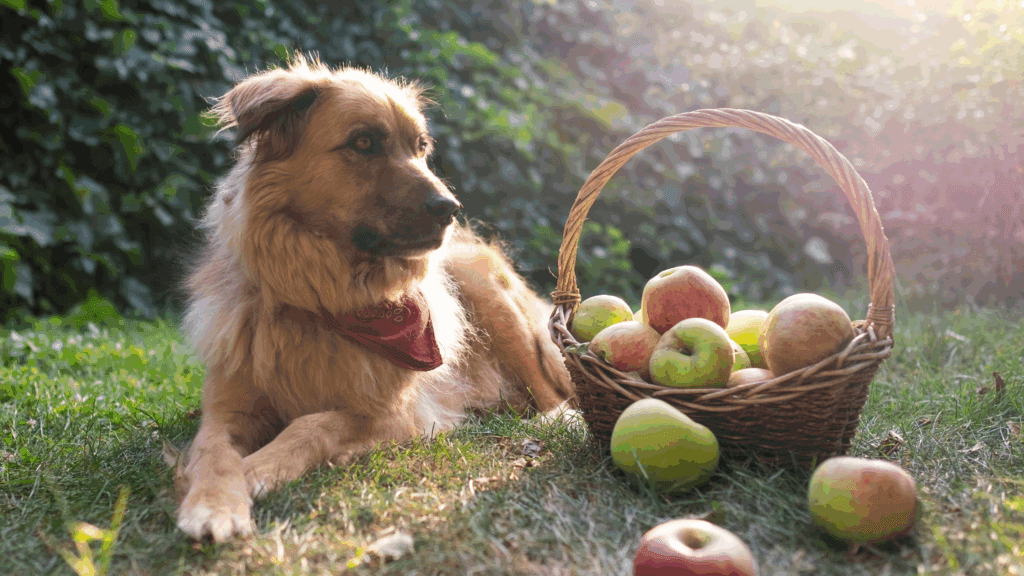
Apples vs. Other Fruits: What’s Better, What’s Worse
- Blueberries: Antioxidant-rich, small, and convenient. Great training option—just keep portions modest.
- Bananas: Soft and palatable but higher in sugar and calories, feed sparingly.
- Pears: Similar to apples, remove seeds and core.
- Strawberries: Light and sweet, often well-accepted, watch sugar.
- Grapes/raisins: Off-limits—can cause severe kidney injury in dogs. If your dog eats any, call your vet immediately.
Comparing texture and sugar content helps you choose the right treat for the right moment. For longer training sessions, lower-sugar, smaller bites (like blueberries) can be easier to manage than big, juicy apple chunks.
Smart Treating for Training and Weight Management
Here’s the balancing act: your dog should love the reward, and you should love the nutrition. Apples can be diced into tiny pieces to stretch reward counts without piling on calories. One medium apple offers about 4.4 g of fiber and roughly 95 calories, that’s helpful context when you’re slicing and planning treat budgets. Mix and match—use a few apple bits with a few premium treats to keep motivation high, then switch back to regular kibble rewards.
For dogs on weight-loss plans, calorie tracking is your friend. Treats, including fruit, count toward the daily total. If weight loss stalls, cut back on all extras by 10–20% and reassess in two weeks, or ask your vet for a more structured plan.
Simple, Safe Recipes: Homemade Apple Dog Treat Ideas
Note: Always remove seeds, core, and stem. Portions are small, and new treats should be introduced gradually.
- Apple Crunch Cubes
- Ingredients: 1 small apple (peeled for sensitive dogs), 1–2 tbsp plain Greek yogurt (no sweeteners), a splash of water.
- Method: Blend to a thick smoothie. Pour into a silicone mold and freeze. Pop out one or two cubes for a summer cool-down.
- Baked Apple Chewies
- Ingredients: Thin apple slices, a dusting of plain ground flaxseed (optional).
- Method: Bake at low heat (around 200°F/93°C) for 1–2 hours until leathery but still bendy. Cool fully and store airtight for a few days. These are more concentrated—serve sparingly.
- Apple Mash Topper
- Ingredients: Finely diced apple, a spoon of unsweetened applesauce, warm water.
- Method: Mix and spoon a teaspoon or two onto a meal for occasional enrichment.
Avoid: Sugar, butter, salt, syrups, nutmeg, and especially xylitol (toxic to dogs).
Signs of Trouble and When to Call the Vet
Call your vet promptly if you notice:
- Persistent vomiting or diarrhea after eating apples.
- Signs of choking: pawing at mouth, gagging, sudden distress.
- Lethargy, abnormal breathing, or any worsening symptoms after a known seed ingestion.
- Hives, facial swelling, or severe itching (potential allergic reaction).
If you suspect your dog ate the core with seeds, monitor closely and contact your vet for individualized advice. While small exposures are often uneventful, it’s better to check than guess.
Myth-Busting: Sugar, Seeds, Skin, and Apple Cider Vinegar
- “Fruit sugar is always bad.” Not quite. It’s about dose. Small portions of whole fruit can fit into many dogs’ routines, but diabetic or overweight dogs need tighter control.
- “Seeds are fine in small amounts.” They’re unnecessary and bring avoidable risk, always remove them.
- “Peeling removes the good stuff.” The peel does contain fiber and beneficial compounds, but peeled is sometimes better for sensitive stomachs. It’s a trade-off—choose what your dog tolerates.
- “Apple cider vinegar fixes everything.” There’s no strong evidence it benefits dogs broadly, and it can irritate some stomachs. Stick to vet-approved uses, if any.
Conclusion: The Bottom Line and Next Steps
Apples can be a simple, refreshing treat that supports hydration and offers a modest fiber boost, as long as you serve them the right way. Remove seeds, core, and stem, slice thin, start small, and keep portions within your dog’s treat budget. For puppies, seniors, and dogs with medical conditions—especially those with blood-sugar concerns—your veterinarian’s input is the gold standard.
If you’re ready to try apples with your dog, begin with a couple of seedless micro-slices and watch how your dog responds. Build from there, mix in other safe produce, and enjoy the crunch.
FAQs
1. Is it okay to give my dog apple every day?
It can be, in small amounts, as long as total treats stay under about 10% of daily calories and your dog tolerates it well. Rotate with other safe options to diversify nutrients and keep your dog excited about treats.
2. How should I introduce apple to my dog?
Start with one or two tiny, seedless pieces. Watch for gas, loose stool, or itching over 24–48 hours. If all’s well, gradually increase to your target portion.
3. Can my puppy have apple slices?
Yes, but keep them paper-thin or minced, and serve very small amounts. Puppies can be sensitive, so introduce after they’re stable on balanced puppy food and monitor closely.
4. Are apple seeds really dangerous?
Seeds contain cyanogenic compounds. A few swallowed seeds are unlikely to cause problems, but there’s no benefit to including them, and removing them is simple. Always skip seeds, core, and stem.
5. So, can dogs eat apples if they’re diabetic?
Possibly, but only with your veterinarian’s guidance. Natural sugars can complicate blood-sugar control. If allowed, keep portions tiny, consistent, and timed appropriately with meals or medications.
