Can Cats Cry? Discover the Truth with Expert Insights
Have you ever found yourself asking, “can cats cry?” Maybe you’ve noticed your feline friend with watery eyes and wondered if those are tears of sadness or pain. Interestingly, while cats don’t cry emotional tears the way humans do, their eyes may water due to various reasons. According to a 2021 study in the Journal of Veterinary Behavior, 65% of domestic cats show tear production caused by physical irritants, allergies, or mild infections.
In this article, we’ll break down the science behind cat tears, the emotional signs cats show, and how to care for your feline when you notice watery eyes. By the end, you’ll not only understand your cat better but also know when it’s time to seek professional help.
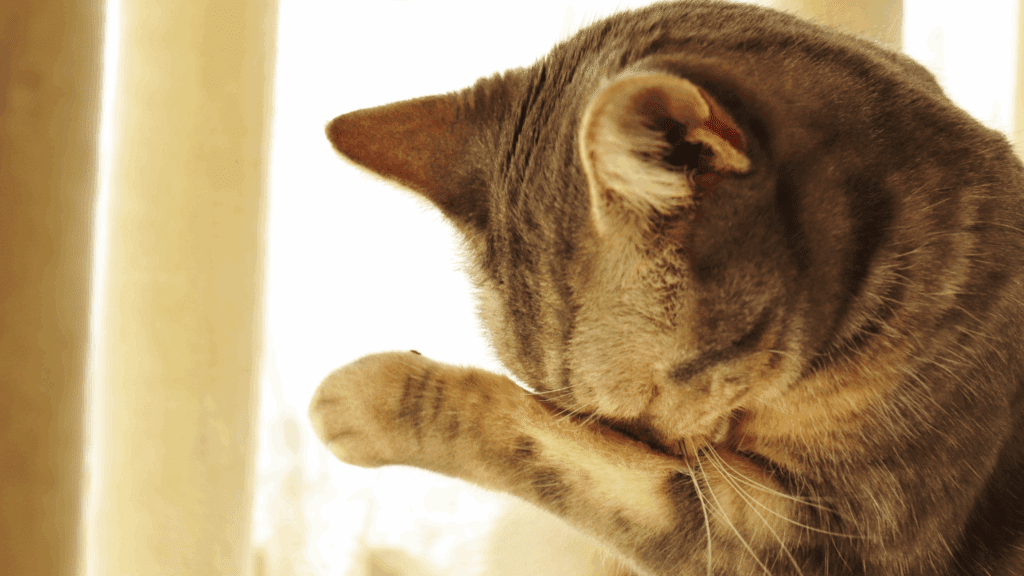
The Science Behind Cat Tears
Why Cats Produce Tears
Tear production in cats serves an important purpose—it keeps their eyes moist, removes debris, and protects the cornea from infection. Tear glands, located just above the eye, constantly produce a thin layer of moisture. Unlike human tears, this moisture is not emotionally driven but is purely functional.
For some cats, especially brachycephalic (flat-faced) breeds, tear drainage problems are common. Their facial structure makes it harder for tears to drain properly, leading to constant staining around their eyes.
Emotional vs. Physical Causes
When humans cry, it’s often due to emotions like sadness, pain, or joy. Cats, however, express emotions differently. Instead of emotional tears, they communicate through body language and sounds, such as:
- Loud or frequent meowing
- Purring differently when stressed or sad
- Refusing food or hiding
If you notice tears alongside these behaviors, it’s likely the tears are caused by a medical issue rather than sadness.
Emotional Behavior in Cats
Signs Your Cat Is Distressed
Cats may not cry emotionally, but they exhibit distress through changes in their routine or mood. Key signs include:
- Sudden aggression or irritability
- Lack of interest in toys or interaction
- Grooming less or excessively grooming one area
- Changes in vocalization tone and frequency
These behavioral cues are often more reliable indicators of emotional pain than watery eyes.
Difference Between Human Crying and Cat Tears
Humans cry as a way to express and release emotions, but cats lack that mechanism. Instead, they express sadness or stress silently or through behaviors. Their tears are almost always tied to health, not emotion.
Common Medical Reasons for Cat Tears
| Cause | Symptoms | What to Do |
| Allergies | Watery eyes, sneezing, mild swelling | Remove allergen; vet check if persistent |
| Eye Infection | Discharge (yellow/green), redness, swelling | Immediate vet treatment |
| Blocked Tear Ducts | Constant watery eyes or stains around cheeks | Duct flushing by a vet |
| Environmental Irritants | Temporary watery eyes with no discharge | Clean space, monitor closely |
Ignoring watery eyes can lead to infections or worsening health issues, so early action is key.
Stats and Research About Cat Behavior
- 40% of cats experience an eye-related health issue during their lifetime (PetMD).
- According to the AVMA (American Veterinary Medical Association), 70% of untreated eye problems worsen within a week and can lead to more serious complications.
These stats show why paying attention to watery eyes is vital to your cat’s health and happiness.
You May Also Like : Can Dogs Cry?
How to Tell if Your Cat Is in Emotional Pain
Behavioral Changes to Watch For
Cats are creatures of habit, so noticeable changes often indicate emotional or physical distress. Look out for:
- Increased hiding or isolation
- Aggression without clear triggers
- Reduced interaction or lethargy
Appetite and Grooming Patterns
A stressed or ill cat may stop grooming altogether or over-groom certain spots. Likewise, a sudden drop in appetite—especially if it lasts more than a day—is a strong sign that something is wrong.
Do Cats Cry When They Are Happy?
No, cats don’t produce tears from happiness. Instead, a content cat may show joy by purring, kneading, slow-blinking, or following you around. Understanding these signs helps distinguish between physical tear issues and emotional expressions.
Caring for a Crying Cat
Home Remedies for Mild Irritations
If your cat’s eyes are just mildly watery, you can try these safe, vet-approved tips:
- Gently clean the eye area with a damp cotton pad or sterile saline solution
- Keep their living area clean to reduce allergens like dust or pollen
- Ensure proper ventilation in rooms with litter boxes
When to Consult a Veterinarian
Take your cat to the vet if you notice:
- Persistent tearing for more than two days
- Thick, colored discharge
- Swelling, redness, or frequent pawing at the eyes
- Sudden behavioral changes accompanying the tears
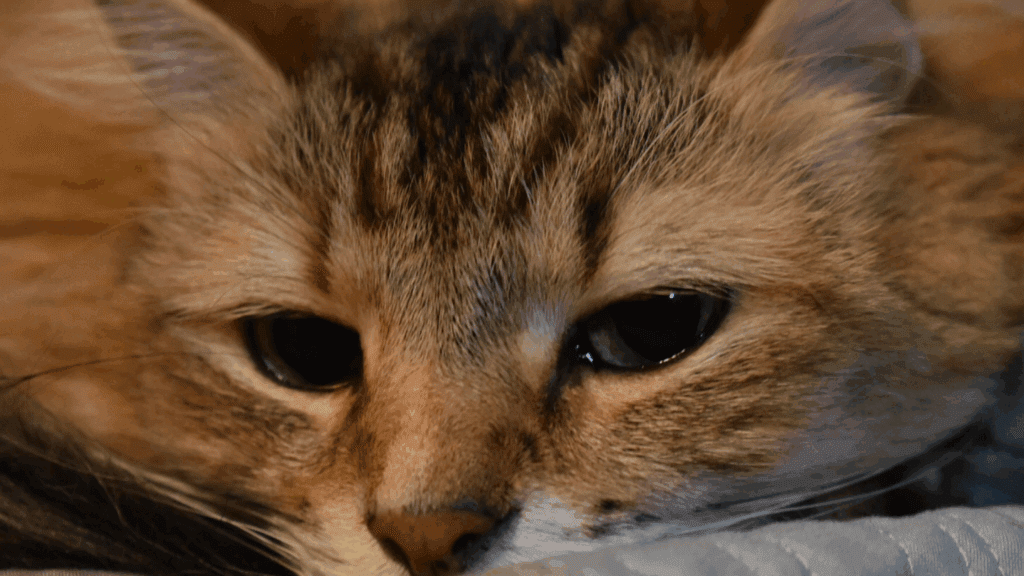
How to Comfort Your Cat Emotionally
Creating a Safe Space
Cats under emotional stress need a quiet, secure area to relax. A designated corner with a cozy bed, favorite toy, and minimal noise can make them feel safer.
Positive Reinforcement
Spend extra time with your cat, gently petting or speaking softly to them. Offering treats during calm interactions can reinforce their sense of security and trust.
Preventing Health Issues That Cause Tears
- Schedule routine vet checkups every 6-12 months
- Keep vaccinations up to date to avoid infections
- Maintain a clean environment, especially around litter areas
- Use filtered water to prevent mineral buildup that may affect tear ducts
Quick Comparison Table of Cat Tear Causes
| Trigger | Typical Duration | Severity Level | Recommended Treatment |
| Allergies | Short-term, seasonal | Mild to Moderate | Remove allergens, antihistamines (vet-prescribed) |
| Eye Infection | Ongoing until treated | Severe | Antibiotic drops or ointment prescribed by vet |
| Environmental Dust | Temporary | Mild | Improve air quality, clean environment |
| Blocked Tear Ducts | Chronic | Moderate | Professional cleaning by veterinarian |
Myths and Facts About Cat Crying
| Myth | Fact |
| Cats shed tears when they’re sad | Tears usually indicate a physical problem, not emotion |
| Tears can be ignored | Ignoring watery eyes may worsen infections or irritation |
| All tearing means allergies | Infections, duct issues, or environmental irritants could also be the cause |
Expert Tips for Cat Owners
- Observe your cat’s eyes daily for changes in clarity, color, or discharge.
- Invest in an air purifier to reduce dust and allergens.
- Offer stimulating toys and playtime to reduce emotional stress.
- Keep a journal of your cat’s symptoms to share accurate information with your vet.
Conclusion – Understanding and Caring for Your Cat
While the answer to “can cats cry” is technically “no” when it comes to emotional tears, watery eyes can signal something you shouldn’t ignore. Whether it’s a harmless irritation or a sign of a more serious issue, being proactive and observant can keep your feline friend healthy and happy. By blending good home care with regular veterinary checkups, you’ll ensure your cat stays bright-eyed and comfortable.
Pro Tip: Keep a small “health journal” for your cat. Note changes in their eyes, appetite, or behavior, and share it during vet visits for faster and more accurate diagnoses.
FAQs
1. Can cats cry when they miss their owner?
No. Cats don’t produce emotional tears, but they may become more vocal, hide, or show increased affection.
2. What should I do if my cat’s eyes are watery every day?
Persistent tearing warrants a vet visit to rule out infection, allergies, or duct problems.
3. Are some breeds more prone to tearing?
Yes. Persians, Himalayans, and other flat-faced breeds often experience chronic tearing due to their anatomy.
4. How can I safely clean tear stains?
Use a soft, damp cloth or vet-approved wipes, avoiding any harsh chemicals.
5. Can stress cause watery eyes?
Indirectly, yes. Stress can weaken the immune system, making cats more susceptible to infections that result in watery eyes.
