
Author: Azim azim

Top Dog Beaches and Parks in Miami : Off-Leash Fun & Pet-Friendly Spots!

Miami is known for its stunning beaches, crystal-clear waters, and vibrant culture, making it an ideal destination for pet lovers. If you’re searching for dog beach Miami spots where your furry friend can run free, you’re in luck! Many dog-friendly beaches in Miami, FL welcome pets, offering open spaces, off-leash areas, and fun activities. With an increasing number of pet-friendly spaces, Miami has become a haven for dog owners looking to spend quality time with their companions while enjoying the warm sunshine and sandy shores.

Did you know? According to the American Pet Products Association (APPA), nearly 70% of U.S. households own a pet, and many consider pet-friendly travel essential when planning vacations. This means there is a growing need for accessible and well-maintained dog-friendly beaches, and Miami is one of the best places to find them.

Miami, often celebrated for its vibrant culture, stunning beaches, and endless sunshine, is more than just a tropical escape for people. It’s a haven for pets too! With a growing number of pet-friendly amenities, Miami has become a top destination for pet owners looking to enjoy quality time with their furry companions. Whether you’re a local resident or a visitor planning a pet-friendly vacation, this guide will introduce you to the best pet-friendly beaches and parks in Miami, where you and your pet can enjoy the sun, sand, and open spaces together.
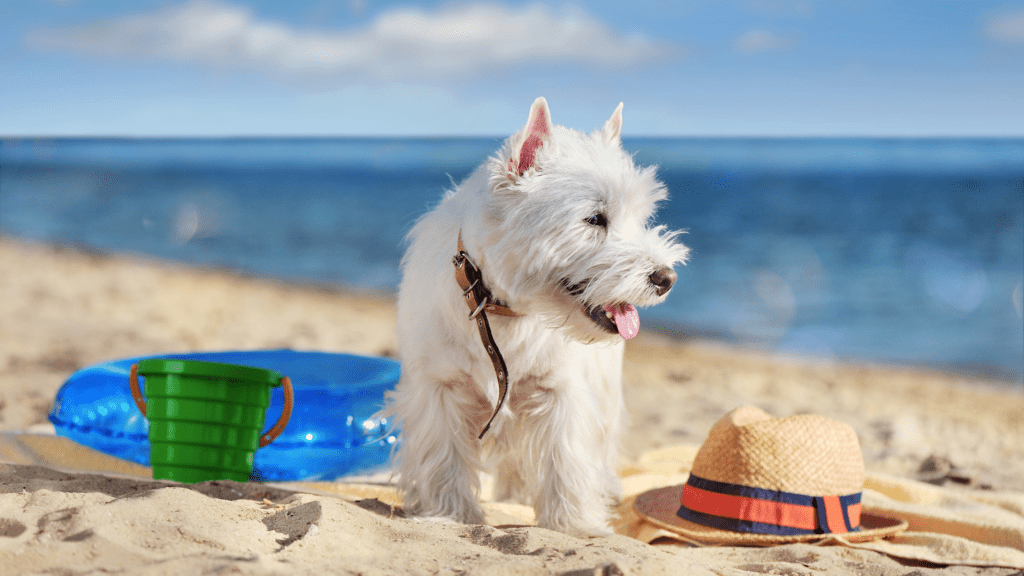
dog friendly beaches miami

Why Miami is Perfect for Pets

Miami’s warm weather and laid-back vibe make it an ideal location for outdoor activities year-round. But what really sets Miami apart is its pet-friendly culture. The city has embraced the presence of pets, offering a wide range of outdoor activities tailored to their needs. From specially designated dog beaches to expansive parks with off-leash areas, Miami ensures that pets are welcomed and well-catered to.

Top Pet-Friendly Beaches in Miami

Haulover Beach Park

Haulover Beach Park is one of Miami’s most iconic beach destinations, known for its expansive shoreline, crystal-clear waters, and vibrant atmosphere. It’s also one of the few beaches in Miami that offers a designated dog-friendly area, making it a top choice for pet owners. Located between Bal Harbour and Sunny Isles Beach, Haulover Beach Park is easily accessible and provides a perfect setting for a day out with your pet.

  • Dog-Friendly Areas

The dog-friendly section of Haulover Beach is situated in the northern part of the park, where dogs are allowed to roam off-leash in a secure and spacious environment. The area is fenced, ensuring that your dog can play and interact with other pets safely. Whether your dog enjoys chasing a frisbee, splashing in the surf, or simply lounging in the sun, Haulover Beach offers plenty of opportunities for fun and relaxation.

  • Amenities and Rules

Haulover Beach Park is well-equipped with amenities that make it easy to enjoy a day out with your pet. You’ll find water stations, waste disposal bags, and shaded areas where you can take a break from the sun. It’s important to note that the dog-friendly area is open daily from 8 AM to 3 PM, and pets must be on a leash when outside of the designated area. As with any public space, responsible pet ownership is key, so be sure to clean up after your pet and follow all posted rules.

Hobie Island Beach Park

Hobie Island Beach Park, located on the Rickenbacker Causeway, is a hidden gem in Miami’s array of pet-friendly beaches. Known for its calm waters and breathtaking views of Biscayne Bay, Hobie Island is a favorite spot for pet owners looking to escape the hustle and bustle of the city. The beach is named after Hobie Cat sailboats, which are often seen skimming across the water, adding to the relaxed and picturesque setting.

  • Water Sports for Pets

One of the unique features of Hobie Island Beach Park is the opportunity for water-based activities with your pet. The shallow and calm waters make it an ideal location for paddleboarding, kayaking, and even windsurfing with your dog. If your pet is a water enthusiast, they’ll love splashing around in the bay while you enjoy a peaceful paddle along the shoreline. Several rental shops nearby offer pet-friendly equipment, so you can easily try out these activities without having to bring your own gear.

  • Pet-Friendly Spots and Facilities

Hobie Island Beach Park is designed with pets in mind. The beach offers ample shade from palm trees, making it a comfortable spot even on hot days. There are water fountains and shower stations available for rinsing off your pet after a swim, as well as picnic areas where you can relax and enjoy a meal with your furry friend. Parking is conveniently located near the beach, so you won’t have to worry about a long walk with your pet.

South Pointe Park and Beach

South Pointe Park, located at the southern tip of Miami Beach, is a popular destination known for its scenic views, family-friendly atmosphere, and pet-friendly amenities. The park offers a mix of open green spaces, walking paths, and beachfront areas, making it a versatile spot for a day out with your pet. With stunning views of the Atlantic Ocean and the iconic Miami skyline, South Pointe Park is a picturesque setting that you and your pet will love.

  • Pet Walking Trails

The walking trails at South Pointe Park are one of its main attractions for pet owners. The trails are well-maintained and offer a variety of routes that wind through lush landscapes, past art installations, and along the beachfront. The trails are perfect for a leisurely stroll or a brisk walk, and they provide plenty of opportunities for your pet to explore and enjoy the outdoors. Benches and shaded areas along the paths offer spots to rest and take in the views.

  • Beachfront Fun for Dogs

While South Pointe Park is known for its walking trails, it also offers a designated dog-friendly beach area. This section of the beach allows pets to enjoy the sand and surf, although dogs must be kept on a leash. The beach is less crowded than some of Miami’s other popular spots, making it a great place for pets that prefer a quieter environment. After a fun day of play, you can head to one of the nearby pet-friendly restaurants for a meal with your dog.

Best Pet-Friendly Parks in Miami

David T. Kennedy Park

David T. Kennedy Park, located in the Coconut Grove neighborhood, is a favorite among Miami residents for its peaceful setting and pet-friendly amenities. The park offers stunning views of Biscayne Bay, making it a picturesque spot for a day out with your pet. With plenty of open space, shaded areas, and dedicated dog facilities, Kennedy Park is a top choice for pet owners looking to enjoy Miami’s natural beauty.

  • Dog-Friendly Zones

Kennedy Park features a large, fenced dog park where pets can run off-leash and socialize with other dogs. The dog park is divided into sections for large and small dogs, ensuring a safe and enjoyable environment for pets of all sizes. The park is well-maintained, with clean facilities, water stations, and plenty of seating for pet owners. In addition to the dog park, Kennedy Park offers open fields where you can play fetch, as well as shaded paths for a relaxing walk.

  • Events and Activities for Pets

Kennedy Park is not just a place to take your dog for a walk—it’s also a hub for pet-friendly events and activities. The park regularly hosts events such as dog yoga, pet adoption fairs, and canine agility courses. These events are a great way to meet other pet owners, learn more about pet care, and give your dog a chance to try something new. Check the park’s event calendar to see what’s happening during your visit.

Tropical Park

Tropical Park, located in the Westchester neighborhood, is one of Miami’s largest and most popular parks. Spanning over 275 acres, Tropical Park offers a wide range of activities for both humans and pets. With its vast open spaces, well-maintained trails, and dedicated dog areas, Tropical Park is a must-visit destination for pet owners in Miami.

  • Pet Playgrounds

One of the highlights of Tropical Park is its pet playgrounds. These fenced areas are equipped with agility equipment, such as tunnels, ramps, and hoops, allowing your dog to burn off energy and have a blast. The playgrounds are divided into sections for large and small dogs, ensuring that all pets can play safely. In addition to the playgrounds, Tropical Park offers open fields where you can play games with your dog, such as fetch or frisbee.

  • Walking Trails and Open Spaces

Tropical Park is home to miles of walking trails that wind through lush greenery, around serene lakes, and past beautiful gardens. The trails are perfect for a leisurely walk or a more vigorous hike with your pet. Along the way, you’ll find plenty of shaded areas where you can rest and enjoy the scenery. The park’s open spaces provide ample room for pets to run and explore, making it an ideal spot for a day of outdoor adventure.

Margaret Pace Park

Margaret Pace Park, located in the Edgewater neighborhood, is a waterfront park that offers stunning views of Biscayne Bay and the Miami skyline. The park’s prime location, combined with its pet-friendly amenities, makes it a popular spot for both locals and visitors. With a mix of open spaces, walking paths, and recreational facilities, Margaret Pace Park is a versatile destination for a day out with your pet.

  • Pet-Friendly Zones

Margaret Pace Park features a well-maintained dog park where pets can run off-leash and socialize with other dogs. The dog park is divided into sections for small and large dogs, ensuring a safe and enjoyable experience for all pets. The park also offers plenty of shaded areas, water fountains, and benches, making it a comfortable spot for both you and your pet to relax.

  • Waterfront Pet Activities

One of the unique features of Margaret Pace Park is its waterfront location. The park’s proximity to Biscayne Bay allows you to enjoy a variety of water-based activities with your pet. You can take your dog for a swim in the bay, enjoy a paddleboarding session, or simply relax on the grassy areas near the water. The park also offers picnic areas where you can enjoy a meal with your pet while taking in the stunning views.

dog parks

Tips for Visiting Pet-Friendly Beaches and Parks

Preparation Before You Go

  • Packing Essentials for Your Pet

Before heading out to one of Miami’s pet-friendly beaches or parks, it’s important to pack everything your pet will need for a comfortable and enjoyable day. Essential items include:

  • Water and Bowl: Always bring plenty of fresh water for your pet, especially in Miami’s warm climate. A portable bowl is a convenient way to keep your pet hydrated throughout the day.
  • Leash and Collar: Even in off-leash areas, it’s a good idea to have a leash and collar on hand in case you need to quickly gain control of your pet. Ensure the collar has an ID tag with your contact information.
  • Waste Bags: Cleaning up after your pet is essential to maintaining a clean and enjoyable environment for everyone. Bring plenty of waste bags and dispose of them in designated bins.
  • Towel: If you’re heading to the beach, bring a towel to dry off your pet after a swim. This will help keep sand and water out of your car and home.
  • Sunscreen: Pets, especially those with light-colored fur or exposed skin, can get sunburned. Use pet-safe sunscreen to protect your pet from harmful UV rays.

Understanding Beach and Park Rules

Each beach and park in Miami has its own set of rules and regulations, so it’s important to familiarize yourself with them before you go. Some common rules include:

  • Leash Requirements: While some areas allow off-leash play, others require pets to be on a leash at all times. Check the specific rules for each location to avoid any issues.
  • Breed Restrictions: Certain breeds may be restricted from specific areas, so it’s a good idea to check ahead of time if your pet falls into this category.
  • Time Restrictions: Some pet-friendly beaches and parks have designated hours when pets are allowed. Plan your visit accordingly to ensure you can enjoy the area with your pet.

Safety Tips for Pets at the Beach

Hydration and Shade

Miami’s sunny weather is perfect for a day at the beach, but it can also lead to dehydration and overheating for pets. Ensure your pet has access to plenty of fresh water and take breaks in the shade to help them stay cool. Bringing a portable umbrella or finding a spot under a tree can provide much-needed relief from the sun.

Pet Sunscreen and Paw Protection

Pets, especially those with light-colored fur or sensitive skin, can get sunburned just like humans. Applying pet-safe sunscreen to areas like the nose, ears, and belly can help protect your pet from sunburn. Additionally, hot sand can burn your pet’s paws, so consider using booties or keeping them on a towel or shaded area to protect their feet.

Pet Etiquette at Public Spaces

Cleaning Up After Your Pet

Maintaining a clean environment is crucial when visiting public spaces with your pet. Always carry waste bags and clean up after your pet. This not only shows respect for other visitors but also helps keep these areas pet-friendly. Many parks and beaches provide waste disposal stations, making it easy to dispose of waste properly.

Leash Laws and Respecting Others

Even in designated off-leash areas, it’s important to keep your pet under control and respect the space of others. Not all pets are comfortable around other animals, and some people may be fearful of dogs. Keeping your pet on a leash when required and being mindful of others will ensure a positive experience for everyone.

Conclusion

Enjoying Miami’s Pet-Friendly Spaces

Miami is a paradise not only for humans but also for pets. With its beautiful beaches, expansive parks, and welcoming atmosphere, the city offers endless opportunities for outdoor adventures with your furry friend. Whether you’re looking to relax by the water, explore scenic trails, or participate in pet-friendly events, Miami has something for every pet owner.

Summing Up the Best Spots

From the iconic Haulover Beach Park to the peaceful Kennedy Park, Miami’s pet-friendly beaches and parks provide a diverse range of environments where you and your pet can create lasting memories. Each location offers unique features and amenities, ensuring that your pet will have a fantastic time no matter where you go.

Creating Lasting Memories with Your Pet

Spending time outdoors with your pet is a wonderful way to strengthen your bond and enjoy all that Miami has to offer. By following the tips and guidelines provided in this guide, you can ensure a safe, enjoyable, and memorable experience for both you and your pet. So grab your leash, pack your bags, and get ready to explore the best pet-friendly beaches and parks in Miami!

You May Also Like : Pet Friendly Hangouts & Cafes

FAQs

1. What are the best times to visit pet-friendly beaches in Miami?

The best times to visit are early in the morning or late in the afternoon when the sun is less intense and the beaches are less crowded. This also helps keep your pet cool and comfortable.

2. Are there any restrictions for pets at these beaches and parks?

Yes, some beaches and parks may have specific rules, such as leash requirements or breed restrictions. It’s important to check the local regulations before you go.

3. What should I bring for a day out with my pet?

Bring essentials like water, a bowl, a leash, waste bags, and treats. If you’re heading to the beach, include a towel, sunscreen for your pet, and an umbrella for shade.

4. Are there any pet-friendly restaurants near these beaches and parks?

Yes, Miami is home to many pet-friendly restaurants where you can enjoy a meal with your pet by your side. Some popular spots include Lokal in Coconut Grove and The Spillover in the same area.

5. How do I find more pet-friendly spots in Miami?

You can explore more pet-friendly locations by checking local guides, apps, and online communities dedicated to pet owners. Many websites and social media groups provide up-to-date information on the best spots to visit with your pet.

Breed-Specific Dog Grooming Tips: Keep Your Pup Looking Perfect

Grooming is more than just a way to keep your dog looking adorable—it’s a vital aspect of their overall health and well-being. A well-groomed dog is not only more comfortable but also less prone to certain health issues. But when it comes to grooming, there is no one-size-fits-all approach. Each breed has unique grooming needs, and understanding these needs is key to keeping your dog happy and healthy.

Importance of Grooming for Dogs

Regular grooming is essential for all dogs, regardless of their breed. It helps to remove dead hair, dirt, and dandruff, while also allowing you to check for signs of health problems such as skin infections or parasites. Moreover, grooming sessions can be a great bonding time between you and your pet.

How Grooming Needs Vary by Breed

Different breeds have different coat types, skin sensitivities, and grooming challenges. For example, a Shih Tzu’s long, flowing coat requires more maintenance than a Labrador Retriever’s short, dense fur. Understanding these differences can help you tailor your grooming routine to your dog’s specific needs, ensuring they look and feel their best.

Why Grooming is Crucial for Your Dog’s Health

Grooming isn’t just about aesthetics—it’s a crucial part of maintaining your dog’s health. Regular grooming helps prevent skin problems, keeps your dog’s coat in good condition, and even contributes to their overall comfort and well-being.

Preventing Skin Issues

Regular grooming helps to prevent skin issues such as hot spots, rashes, and infections. By brushing your dog’s coat, you help to distribute natural oils that keep their skin hydrated and healthy. This is especially important for breeds prone to dry or sensitive skin.

Maintaining a Healthy Coat

Brushing and bathing your dog regularly helps to keep their coat clean and free of tangles. This is particularly important for long-haired breeds, where mats can form and cause discomfort or even skin infections.

Enhancing Your Dog’s Comfort

Grooming also plays a role in your dog’s overall comfort. For instance, trimming your dog’s nails prevents them from becoming overgrown and causing pain when walking. Regular ear cleaning can prevent infections, especially in breeds with floppy ears that are prone to moisture build-up.

Understanding Coat Types

Different breeds have different coat types, and each requires a different grooming approach. Let’s take a closer look at the main types of dog coats and what they need in terms of grooming.

Short Coats vs. Long Coats

Dogs with short coats, like Beagles, generally require less grooming than those with long coats, like Afghan Hounds. However, short-haired breeds still benefit from regular brushing to remove loose hair and prevent shedding. Long-haired breeds, on the other hand, require daily brushing to prevent tangles and mats.

Curly and Wavy Coats

Curly-coated breeds, like Poodles, require regular trimming and brushing to keep their coats in good condition. These breeds are often hypoallergenic, making them a popular choice for people with allergies, but they need consistent grooming to prevent their hair from matting.

Double Coats

Breeds like Siberian Huskies and German Shepherds have double coats, consisting of a soft undercoat and a coarser topcoat. These dogs tend to shed heavily, especially during seasonal changes, and require regular brushing to manage shedding and keep their coats healthy.

Hairless Breeds

Hairless breeds, such as the Chinese Crested, have unique grooming needs. Without a coat to protect them, their skin is more exposed and prone to sunburn and dryness. Regular moisturizing and sun protection are essential for these breeds.

Breed-Specific Grooming Needs

Now that we’ve covered the basics, let’s dive into the specific grooming needs of various dog breeds. From small to large, each breed comes with its own set of grooming challenges and requirements.

Small Breeds

Pomeranians

Pomeranians are known for their fluffy double coats, which require daily brushing to prevent tangles and mats. Due to their size, they’re more prone to dental issues, so regular teeth cleaning is a must. Bathing should be done every 4 to 6 weeks, followed by thorough drying to prevent their thick coat from holding moisture.

Shih Tzus

Shih Tzus have long, luxurious coats that require daily brushing and regular trims to keep them looking neat. Their eyes are prone to tearing, so it’s important to clean their face regularly to prevent staining and irritation. Because of their long hair, Shih Tzus also benefit from regular ear cleaning to prevent infections.

Medium Breeds

Cocker Spaniels

Cocker Spaniels have a silky coat that requires regular brushing to prevent tangles. Their floppy ears are prone to infections, so cleaning them weekly is essential. They also need regular trims, especially around their paws and ears, to keep their coat manageable.

Bulldogs

Bulldogs have short, smooth coats that are relatively low-maintenance. However, their skin folds require special attention, as moisture and debris can accumulate and lead to infections. Regular cleaning of these folds, along with consistent nail trimming and ear cleaning, is crucial for their health.

Large Breeds

German Shepherds

German Shepherds have a dense double coat that sheds year-round, with heavier shedding during seasonal changes. Regular brushing is necessary to control shedding and prevent mats. Bathing should be done every few months, with more frequent cleaning if they spend a lot of time outdoors.

Golden Retrievers

Golden Retrievers have a thick, water-repellent double coat that requires regular brushing to prevent matting and shedding. Their ears need to be checked and cleaned regularly to prevent infections, and their nails should be trimmed every few weeks to keep them comfortable.

Unique Breeds

Poodles

Poodles are known for their curly, hypoallergenic coats, which require regular grooming to prevent matting. Many Poodle owners opt for professional grooming to maintain specific styles, such as the popular “puppy cut” or “lion cut.” Regular ear cleaning and dental care are also important for Poodles.

Greyhounds

Greyhounds have short, sleek coats that require minimal grooming. However, they do have sensitive skin, so it’s important to use gentle grooming products and avoid over-bathing. Regular nail trimming is crucial, as their nails grow quickly and can cause discomfort if not kept short.

Special Grooming Considerations

No matter the breed, certain grooming considerations apply across the board. Understanding these can help you address common challenges and keep your dog looking and feeling their best.

Dealing with Shedding

Shedding is a common concern for many dog owners, especially those with double-coated breeds. Regular brushing with the appropriate tools can help manage shedding and keep your home fur-free. Additionally, a healthy diet rich in omega-3 fatty acids can improve coat health and reduce shedding.

Handling Skin Allergies

Some dogs are prone to skin allergies, which can be exacerbated by grooming products. If your dog has sensitive skin, opt for hypoallergenic shampoos and conditioners. Regularly check for signs of irritation, and consult your vet if you notice any persistent issues.

Importance of Dental Care

Dental care is a crucial aspect of grooming that is often overlooked. Regular brushing of your dog’s teeth can prevent plaque buildup, gum disease, and bad breath. Consider incorporating dental chews and regular vet check-ups into your grooming routine to keep your dog’s teeth in top shape.

DIY Grooming vs. Professional Grooming

When it comes to grooming your dog, you might wonder whether to do it yourself or leave it to the professionals. Both approaches have their pros and cons, and the best choice depends on your dog’s needs and your comfort level.

Pros and Cons of DIY Grooming

DIY grooming allows you to bond with your dog and tailor the grooming process to their specific needs. It can also be cost-effective and convenient. However, it requires time, patience, and the right tools. Without proper training, you might miss certain health issues or inadvertently cause discomfort to your dog.

When to Seek Professional Help

Professional groomers have the expertise and tools to handle even the most challenging grooming tasks. If your dog has a complex coat type, is prone to mats, or has special grooming needs, a professional can ensure they receive the best care. Regular professional grooming is also recommended for show dogs or breeds with intricate grooming requirements.

Essential Grooming Tools

Having the right grooming tools is essential for maintaining your dog’s coat and overall health. Here’s a quick guide to the tools you should have on hand.

Brushes and Combs

Different coat types require different brushes. A slicker brush is great for removing mats and tangles, while a bristle brush is ideal for short-haired breeds. A metal comb can help you detangle and smooth out longer coats.

Clippers and Scissors

Investing in a good pair of clippers and grooming scissors is important if you plan to trim your dog’s coat yourself. Make sure to use the right blade for your dog’s coat type, and always trim with caution to avoid injury.

Shampoo and Conditioner

Choose a shampoo and conditioner specifically formulated for dogs. Look for products that are gentle and free from harsh chemicals. If your dog has sensitive skin, opt for a hypoallergenic or oatmeal-based formula.

Nail Trimmers

Keeping your dog’s nails trimmed is crucial for their comfort. Invest in a pair of quality nail clippers or a grinder, and trim your dog’s nails regularly to prevent overgrowth and splitting.

Tips for Stress-Free Grooming Sessions

Grooming can be a stressful experience for some dogs, but with the right approach, you can make it a positive and enjoyable activity.

Making Grooming Enjoyable for Your Dog

Start by introducing grooming tools gradually and using positive reinforcement. Offer treats and praise throughout the grooming session to create a positive association with the experience.

Creating a Routine

Establish a regular grooming routine that fits your dog’s needs. Whether it’s weekly brushing or monthly baths, consistency is key to making grooming a normal part of your dog’s life.

Positive Reinforcement Techniques

Use positive reinforcement techniques, such as treats, toys, and praise, to reward your dog during grooming. This will help them associate grooming with positive experiences and reduce anxiety over time.

Common Grooming Mistakes to Avoid

Even the most experienced dog owners can make mistakes when grooming their pets. Here are some common pitfalls to watch out for.

Over-Bathing

While regular baths are important, over-bathing can strip your dog’s coat of natural oils, leading to dry skin and irritation. Stick to a bathing schedule that suits your dog’s coat type and lifestyle.

Improper Brushing Techniques

Using the wrong brush or brushing too aggressively can cause discomfort and even damage your dog’s coat. Take the time to learn proper brushing techniques and use the right tools for your dog’s specific needs.

Ignoring Dental Care

Dental care is often overlooked, but it’s crucial for your dog’s overall health. Make sure to brush your dog’s teeth regularly and provide dental chews to keep their teeth and gums healthy.

Conclusion

Grooming is an essential part of keeping your dog healthy, happy, and looking their best. By understanding your dog’s specific grooming needs based on their breed, you can provide the best care possible. Whether you choose to groom your dog yourself or seek the help of a professional, the key is consistency and attention to detail. Remember, a well-groomed dog is a happy dog!

You May Also Like : Best Brushes for Different Breeds of Dogs & Cats

FAQs

1. How often should I groom my dog?

The frequency of grooming depends on your dog’s breed and coat type. Short-haired breeds may only need grooming every few weeks, while long-haired breeds may require daily attention.

2. Can I use human shampoo on my dog?

It’s not recommended to use human shampoo on dogs, as their skin has a different pH balance. Always use a shampoo specifically formulated for dogs to avoid skin irritation.

3. What should I do if my dog hates grooming?

If your dog dislikes grooming, start by introducing it gradually and use positive reinforcement techniques. Reward them with treats and praise to create a positive association with grooming.

4. How can I reduce shedding in my dog?

Regular brushing with the appropriate tools can help manage shedding. Additionally, providing a healthy diet rich in omega-3 fatty acids can improve coat health and reduce shedding.

5. Is professional grooming necessary for all dogs?

While not all dogs require professional grooming, it’s recommended for breeds with complex grooming needs or for owners who may not feel confident grooming their dog at home.

Mobile Pet Grooming: The Ultimate Solution for Busy Pet Owners

In today’s fast-paced world, finding time for anything beyond work and personal obligations can be challenging, especially for pet owners. Grooming is essential for maintaining your pet’s health and well-being, but fitting regular appointments into a busy schedule can be tough. This is where mobile pet grooming comes into play, offering a convenient and stress-free solution for both pets and their owners. In this article, we’ll dive deep into the many benefits of mobile pet grooming, particularly for those with hectic lifestyles.

What is Mobile Pet Grooming?

Mobile pet grooming is a service where professional groomers come directly to your home, equipped with everything needed to pamper your pet in a specially outfitted vehicle. Unlike traditional grooming salons, where pets are often surrounded by other animals and unfamiliar smells, mobile grooming offers a one-on-one experience right outside your door.

Convenience at Your Doorstep

No Need for Travel

One of the biggest advantages of mobile pet grooming is that it eliminates the need for travel. No more wrestling your dog into the car or navigating through traffic. The groomer comes to you, making the entire process hassle-free.

Time-Saving Benefits

With mobile grooming, there’s no need to drop off and pick up your pet. The groomer arrives at a scheduled time, performs the grooming, and returns your pet to you immediately. This saves you valuable time that can be spent on other tasks or simply relaxing.

Flexible Scheduling Options

Mobile groomers often offer more flexible scheduling options than traditional salons. Whether you need an early morning appointment or a late afternoon slot, mobile groomers can often accommodate your needs, making it easier to fit grooming into your busy schedule.

Reduced Stress for Pets

Familiar Environment Benefits

Pets can become anxious in unfamiliar environments, especially if they’re surrounded by other animals. Mobile grooming allows your pet to stay in a familiar environment, reducing stress and making the grooming process smoother and more enjoyable for them.

One-on-One Attention

In a mobile grooming setup, your pet receives undivided attention from the groomer. There’s no waiting around, no distractions, and no other animals to worry about. This focused attention ensures that your pet’s grooming needs are met in a calm and efficient manner.

Shorter Grooming Sessions

Because the groomer’s attention is solely on your pet, grooming sessions are often shorter compared to traditional salons. This not only reduces stress for your pet but also allows them to return to their routine more quickly.

Personalized Services

Customized Grooming for Each Pet

Every pet is unique, and mobile groomers can tailor their services to meet the specific needs of your furry friend. Whether your pet has sensitive skin, needs a specific haircut, or requires special products, a mobile groomer can provide personalized care.

Attention to Specific Needs and Preferences

Mobile groomers take the time to understand your pet’s individual needs and preferences. This level of personalized care ensures that your pet not only looks great but also feels comfortable and cared for.

Professional and Certified Groomers

Expertise and Experience of Mobile Groomers

Mobile groomers are often highly experienced professionals who have chosen this niche service to offer more personalized and convenient grooming. They bring their expertise directly to your door, ensuring that your pet receives top-quality care.

Importance of Certified Grooming

Choosing a certified groomer ensures that your pet is in safe and knowledgeable hands. Certified groomers have undergone rigorous training and adhere to industry standards, providing peace of mind that your pet is receiving the best possible care.

Health and Safety Benefits

Hygienic Grooming Environment

Mobile grooming vans are thoroughly cleaned and sanitized between appointments, ensuring a hygienic environment for each pet. This reduces the risk of infections or cross-contamination, which can sometimes occur in busy grooming salons.

Monitoring Pet Health During Grooming

Mobile groomers are trained to monitor your pet’s health during the grooming process. They can spot early signs of health issues, such as skin infections, ear problems, or dental issues, and advise you on the next steps to take.

Prevention of Infections and Diseases

With fewer animals being groomed in the same space, the chances of your pet contracting infections or diseases are significantly reduced. Mobile grooming offers a safer, cleaner environment that prioritizes your pet’s well-being.

Cost-Effectiveness

Competitive Pricing Compared to Traditional Grooming Salons

While mobile grooming might seem like a luxury service, it’s often competitively priced compared to traditional grooming salons. Considering the convenience and personalized care, many pet owners find it to be a cost-effective option.

Saving Money on Travel and Associated Costs

By eliminating the need to travel to a grooming salon, you save on gas and the wear and tear on your vehicle. Additionally, the time saved can be put towards other productive activities, adding even more value to the service.

Environmentally Friendly Option

Reduced Carbon Footprint with Fewer Trips

Mobile grooming is an eco-friendly option, as it reduces the need for multiple trips to and from a grooming salon. Fewer car rides mean a smaller carbon footprint, contributing to a more sustainable lifestyle.

Eco-Friendly Grooming Products Used by Mobile Groomers

Many mobile groomers are committed to using environmentally friendly products that are safe for both pets and the planet. These products are often biodegradable, non-toxic, and free from harsh chemicals.

Perfect for Multi-Pet Households

Easier Management of Multiple Pets

For households with multiple pets, managing grooming appointments can be a logistical challenge. Mobile grooming simplifies this process by allowing all your pets to be groomed in one visit, reducing stress and saving time.

Simultaneous Grooming Sessions

With mobile grooming, it’s possible to have simultaneous grooming sessions for your pets. This means less waiting around and more time for your pets to enjoy their day.

Enhanced Bond Between Pet and Owner

Opportunity to Be Present During Grooming

Unlike traditional grooming salons, where pets are taken away for grooming, mobile grooming allows you to be present during the process. This can help build trust between you and your pet, as they feel more secure with you nearby.

Building Trust Through Familiar Surroundings

Grooming in a familiar environment helps to build trust between your pet and the groomer. Your pet is more likely to feel relaxed and comfortable, leading to a more positive grooming experience.

Accessibility for Elderly and Disabled Pet Owners

No Need to Leave the House

For elderly or disabled pet owners, traveling to a grooming salon can be a significant challenge. Mobile grooming eliminates this barrier by bringing the service directly to your home, making it easier to keep your pet well-groomed.

Simplifying Pet Care for Those with Limited Mobility

Mobile grooming simplifies pet care for those with limited mobility, allowing them to provide the necessary grooming without the physical strain of leaving the house. This ensures that all pets receive the care they need, regardless of their owner’s mobility.

Grooming for All Types of Pets

Services Available for Various Breeds and Species

Mobile grooming isn’t just for dogs and cats. Many mobile groomers offer services for a variety of breeds and species, including rabbits, guinea pigs, and even birds. This makes mobile grooming a versatile option for all pet owners.

Tailored Care for Specific Pet Types

Each type of pet has unique grooming needs, and mobile groomers are equipped to handle them all. Whether it’s a specific type of coat care, nail trimming, or even beak and claw maintenance, mobile groomers provide tailored care for your pet.

Addressing Common Concerns

Safety of Mobile Grooming Vans

One common concern is the safety of mobile grooming vans. Rest assured, these vans are equipped with all the necessary tools and safety features to ensure a safe and comfortable grooming experience for your pet.

How to Choose the Right Mobile Groomer

Choosing the right mobile groomer is crucial for your pet’s safety and well-being. Look for certified, experienced groomers with positive reviews and a professional setup. Don’t hesitate to ask questions about their experience, grooming techniques, and the products they use.

Conclusion

Mobile pet grooming offers a wealth of benefits for busy pet owners, from the convenience of home service to the reduced stress for pets. With personalized care, professional groomers, and a focus on health and safety, mobile grooming is a practical and cost-effective option for anyone looking to keep their pets well-groomed without the hassle of traditional salons. If you’re a busy pet owner looking for a convenient and stress-free grooming solution, mobile grooming might just be the perfect fit for you.

You May Also Like : 10 Time Saving Tips for Busy Owners

FAQs

1. How do I find a reliable mobile pet groomer?

Start by asking for recommendations from friends, family, or your veterinarian. You can also read online reviews and check for certifications to ensure you’re choosing a reliable professional.

2. Is mobile pet grooming more expensive than traditional grooming?

While mobile grooming might seem more expensive upfront, it’s often competitively priced when you consider the convenience, personalized care, and savings on travel costs.

3. What if my pet has special grooming needs?

Mobile groomers often provide personalized services and can accommodate special grooming needs, such as using specific products or techniques tailored to your pet.

4. How long does a typical mobile grooming session take?

The duration of a grooming session varies depending on the pet’s size, breed, and grooming needs, but it’s typically shorter than a traditional salon visit since your pet receives one-on-one attention.

5. Can mobile groomers handle large dogs?

Yes, most mobile groomers are equipped to handle large dogs and have the necessary tools and experience to groom them effectively.

Grooming Tips for Senior Pets

Grooming your senior pet isn’t just about keeping them looking good; it’s crucial for their overall health and happiness. As pets age, their grooming needs change, requiring a bit more attention and care. In this detailed guide, we’ll explore various grooming tips tailored for senior pets to ensure they remain comfortable, healthy, and happy.

Understanding Senior Pets

Age Classification for Senior Pets

Different pets age at different rates, but generally, dogs and cats are considered seniors at around seven years old. Larger breeds of dogs may enter their senior years a bit earlier, while smaller breeds and cats tend to age more slowly.

Common Health Issues in Senior Pets

Senior pets often face health challenges such as arthritis, vision and hearing loss, dental issues, and skin conditions. Understanding these common issues helps tailor grooming practices to meet their specific needs.

Why Grooming is Crucial for Senior Pets

Health Benefits

Regular grooming helps detect early signs of health issues like lumps, infections, or parasites. It also stimulates blood circulation and helps in maintaining a healthy coat and skin.

Emotional Well-being

Grooming isn’t just a physical necessity; it’s also a bonding experience. It can reduce stress and anxiety, providing comfort and assurance to your senior pet.

Regular Brushing

Types of Brushes for Different Pets

The type of brush you use depends on your pet’s coat. For dogs with short hair, a bristle brush works well, while long-haired breeds benefit from a slicker brush. Cats, especially those with long fur, may need a wide-toothed comb.

How Often to Brush

Brushing should be done at least once a week, but some pets might need more frequent grooming. Regular brushing helps prevent matting, reduces shedding, and keeps the coat clean and healthy.

Bathing Senior Pets

Choosing the Right Shampoo

Always choose a mild, pet-friendly shampoo, preferably one formulated for senior pets. Avoid shampoos with harsh chemicals that can irritate their sensitive skin.

Frequency of Baths

Senior pets typically need fewer baths than younger ones. Aim for a bath every 4-6 weeks unless they get particularly dirty. Over-bathing can strip natural oils from their skin.

Bathing Techniques

Use lukewarm water and keep bath time short. Gently massage the shampoo into their coat and rinse thoroughly to avoid residue that can cause irritation.

Nail Care

Importance of Trimming Nails

Overgrown nails can cause pain and mobility issues. Regular trimming prevents nails from splitting or breaking and reduces the risk of infection.

How to Safely Trim Nails

Use a pet nail clipper and cut just the tip of the nail. Be cautious not to cut into the quick, the sensitive part of the nail that contains blood vessels and nerves. If you’re unsure, ask a vet or groomer for guidance.

Ear Cleaning

Importance of Ear Hygiene

Dirty ears can lead to infections, especially in older pets. Regular ear cleaning helps prevent these issues and ensures their ears remain healthy.

Steps to Clean Ears Safely

Use a vet-recommended ear cleaner. Apply a few drops into the ear canal, massage the base of the ear, then gently wipe away any debris with a cotton ball. Avoid using cotton swabs as they can push debris further into the ear.

Dental Care

Common Dental Issues in Senior Pets

Senior pets are prone to dental problems like gum disease, tooth decay, and plaque buildup. Regular dental care is essential to prevent these issues.

Brushing Teeth and Dental Treats

Brush your pet’s teeth with a pet-friendly toothbrush and toothpaste. Dental treats and chews can also help reduce plaque and maintain oral health.

Skin and Coat Care

Identifying Skin Problems

Older pets may develop skin issues such as dryness, lumps, or rashes. Regular checks during grooming sessions can help catch these problems early.

Tips for Maintaining a Healthy Coat

Ensure your pet’s diet is rich in essential fatty acids, which promote a healthy coat. Regular brushing and using conditioners or sprays can also help maintain coat health.

Eye Care

Common Eye Problems in Senior Pets

Senior pets can suffer from cataracts, glaucoma, and dry eyes. Regular eye checks are vital to spot these issues early.

Cleaning and Care Tips

Gently wipe away discharge with a damp cloth. Avoid using harsh chemicals or products not designed for pets. If you notice persistent issues, consult your vet.

Anal Gland Care

Signs of Anal Gland Issues

Scooting, licking the anal area, and a foul smell are signs of anal gland problems. Regular checks can prevent discomfort and infections.

How to Express Anal Glands

If you’re comfortable, you can express your pet’s anal glands at home. However, it’s often best to have a vet or groomer do this to avoid injury or infection.

Handling Mobility Issues

Grooming Tips for Pets with Arthritis or Mobility Issues

Be gentle and patient. Use supportive tools like grooming tables or mats to help them stay comfortable. Break grooming sessions into shorter, manageable segments.

Products That Can Help

Consider using orthopedic beds, ramps, and joint supplements to help with mobility. Grooming aids like no-slip mats and ergonomic brushes can also make the process easier.

Special Considerations for Cats

Grooming Tips Specific to Senior Cats

Older cats might groom themselves less often. Regular brushing and gentle wiping with a damp cloth can help maintain their hygiene.

Handling a Stressed Cat

Create a calm environment and handle your cat gently. Use treats and positive reinforcement to make grooming a positive experience.

Special Considerations for Dogs

Grooming Tips Specific to Senior Dogs

Senior dogs may have specific needs based on their breed and health status. Pay attention to their comfort and any signs of pain or discomfort during grooming.

Handling a Stressed Dog

Keep grooming sessions short and positive. Use a soothing voice and give plenty of breaks. Treats and praise can help reduce anxiety.

Professional Grooming Services

When to Seek Professional Help

If your pet has complex grooming needs or if you’re uncomfortable performing certain tasks, consider professional grooming. They can handle tricky tasks like anal gland expression or teeth cleaning.

Finding the Right Groomer

Look for groomers experienced with senior pets. Read reviews and ask for recommendations from your vet or pet-owning friends.

Conclusion

Grooming your senior pet is a vital part of their care routine. Regular grooming helps maintain their health, comfort, and happiness. By following these tips, you can ensure your furry friend enjoys their golden years to the fullest.

You May Also Like : Benefits of Adopting a Senior Pet

FAQs

1. How often should I groom my senior pet?

Grooming frequency depends on your pet’s specific needs. Generally, aim for regular brushing, monthly baths, and frequent checks for any health issues.

2. What are the best grooming tools for senior pets?

The best tools depend on your pet’s coat type and health. Soft-bristle brushes, pet-safe shampoos, nail clippers, and ear cleaners are essential.

3. Can grooming help with my pet’s arthritis?

Yes, regular grooming can help detect early signs of arthritis and improve blood circulation, potentially easing some discomfort.

4 How do I know if my pet needs professional grooming?

If your pet has complex grooming needs, such as frequent anal gland expressions or severe matting, professional grooming might be necessary.

5. What are signs that my pet is experiencing grooming-related stress?

Signs of stress include panting, shaking, hiding, or aggression. If your pet shows these signs, try to make the experience more positive or seek professional help.

The Role of Nutrition in Coat Health

When it comes to our pets, one of the most visible indicators of their overall health is their coat. A shiny, healthy coat is often a sign of a well-balanced diet and good overall well-being. But what exactly plays into this aspect of pet health? Nutrition, as it turns out, is a key factor. In this article, we’ll explore how nutrition affects coat health, diving deep into the various nutrients that play a crucial role and how you can ensure your pet’s coat remains in top condition.

Understanding Coat Health

What is Coat Health?

Coat health refers to the condition of your pet’s fur, including its texture, shine, and growth rate. A healthy coat is typically smooth, shiny, and free of mats and tangles. It’s also indicative of your pet’s internal health.

Signs of a Healthy Coat

  • Shine and Luster: A healthy coat reflects light and has a noticeable shine.
  • Smooth Texture: The fur feels soft and smooth to the touch.
  • No Odor: A healthy coat doesn’t have an unpleasant smell.
  • Minimal Shedding: While some shedding is normal, excessive shedding can indicate a problem.
  • Even Growth: The coat should grow uniformly without bald patches.

Signs of Poor Coat Health

  • Dull and Dry Fur: Lack of shine and a dry texture can indicate poor nutrition or health issues.
  • Excessive Shedding: More than normal shedding can be a sign of nutritional deficiencies or health problems.
  • Bald Patches: Areas with missing fur can be due to various underlying issues.
  • Mats and Tangles: Frequent mats can indicate poor grooming and underlying health concerns.
  • Unpleasant Odor: A bad smell can be a sign of skin infections or other health problems.

The Science Behind Coat Health

Hair Structure and Growth Cycle

Hair growth occurs in cycles, which include the anagen (growth phase), catagen (transition phase), and telogen (resting phase). Nutrients are essential during the anagen phase, where the hair is actively growing.

Nutrients Essential for Hair Growth

Key nutrients support the structural integrity and growth of hair, including proteins, fats, vitamins, and minerals. Each plays a unique role in maintaining a healthy coat.

Macronutrients and Coat Health

  • Protein: Building Block of Hair

-Role of Protein in Hair Structure

Hair is primarily made of a protein called keratin. Sufficient protein intake is crucial for the production and maintenance of keratin, ensuring strong and healthy hair.

-Protein-Rich Foods

Incorporating high-quality protein sources such as chicken, fish, eggs, and legumes into your pet’s diet can support coat health.

  • Fats: Ensuring Shine and Strength

-Importance of Omega-3 and Omega-6 Fatty Acids

These essential fatty acids play a significant role in maintaining a shiny and resilient coat. They help in reducing inflammation and keeping the skin healthy.

-Sources of Healthy Fats

Foods rich in omega-3 and omega-6 include fish oil, flaxseed, and chicken fat. Including these in your pet’s diet can greatly enhance coat quality.

  • Carbohydrates: Energy for Hair Growth

-Complex vs. Simple Carbohydrates

Complex carbohydrates provide a steady energy supply for hair growth, whereas simple carbohydrates can lead to energy spikes and crashes.

-Best Carbohydrate Sources

Oats, brown rice, and sweet potatoes are excellent sources of complex carbohydrates that can support a healthy coat.

Micronutrients and Coat Health

Vitamins

  • Vitamin A: Growth and Repair

Vitamin A is crucial for the growth and repair of skin tissues, directly impacting coat health.

  • B Vitamins: Overall Hair Health

B vitamins, particularly biotin, support overall hair health and prevent hair loss.

  • Vitamin C: Collagen Production

Collagen is vital for hair strength and elasticity, and vitamin C is essential for its production.

  • Vitamin D: Hair Follicle Cycling

Vitamin D plays a role in the cycling of hair follicles, influencing hair growth and shedding patterns.

  • Vitamin E: Antioxidant Protection

Vitamin E protects hair from oxidative damage, maintaining its strength and shine.

Minerals

  • Iron: Oxygen Supply to Hair Roots

Iron is crucial for transporting oxygen to hair roots, promoting healthy growth.

  • Zinc: Growth and Repair

Zinc supports hair growth and repair, helping to maintain a healthy coat.

  • Selenium: Protection from Damage

Selenium acts as an antioxidant, protecting hair from environmental damage.

  • Copper: Pigmentation and Strength

Copper aids in hair pigmentation and structural strength, preventing premature graying and weakening.

Hydration and Coat Health

Importance of Water for Hair Health

Water is essential for maintaining skin and coat hydration. Dehydration can lead to dry, brittle hair.

Tips for Ensuring Proper Hydration

Ensure your pet has access to clean, fresh water at all times. Wet foods can also contribute to their daily water intake.

Dietary Considerations for Pets

Differences Between Human and Pet Nutrition

Pets have different nutritional needs than humans. It’s essential to feed them a diet tailored to their specific requirements.

Choosing the Right Pet Food

Look for pet foods that list high-quality protein sources as the first ingredient and contain balanced nutrients.

Homemade Diets for Pets

If you opt for homemade diets, ensure they are balanced and meet all your pet’s nutritional needs. Consulting a veterinarian or pet nutritionist is recommended.

Common Nutritional Deficiencies and Coat Problems

Identifying Deficiencies

Common deficiencies that affect coat health include lack of protein, essential fatty acids, and specific vitamins and minerals.

Addressing and Preventing Deficiencies

Regular veterinary check-ups and a balanced diet can help prevent and address nutritional deficiencies, promoting a healthy coat.

Supplements for Optimal Coat Health

When to Consider Supplements

If your pet’s diet lacks certain nutrients or they have specific health needs, supplements can be beneficial.

Types of Supplements Available

Common supplements include fish oil, biotin, and multivitamins. Always choose high-quality products.

Consulting with a Veterinarian

Before introducing any supplements, consult with your veterinarian to ensure they are necessary and safe for your pet.

Special Dietary Needs

Puppies and Kittens

Young animals require higher levels of certain nutrients to support their rapid growth and development.

Senior Pets

Older pets may need adjusted diets to support aging bodies and prevent coat health issues.

Pets with Allergies or Sensitivities

Pets with food allergies or sensitivities need diets free from allergens, which can often improve coat health.

Holistic Approaches to Coat Health

Natural Foods and Remedies

Incorporating natural foods and remedies can enhance coat health. Examples include coconut oil and herbal supplements.

Integrating Holistic Practices

Holistic practices such as acupuncture and aromatherapy can also support overall health and coat condition.

Lifestyle Factors Affecting Coat Health

Stress and Anxiety

Stress can negatively impact coat health. Ensuring a calm and stress-free environment is beneficial.

Physical Activity

Regular exercise promotes overall health, including coat condition.

Grooming Practices

Regular grooming helps to distribute natural oils and remove dirt and loose hair, maintaining a healthy coat.

Case Studies

Success Stories of Improved Coat Health Through Nutrition

Numerous pet owners have witnessed significant improvements in their pet’s coat health through dietary changes.

Expert Insights and Recommendations

Veterinarians and pet nutritionists provide valuable insights and recommendations for maintaining a healthy coat through nutrition.

Conclusion

Nutrition plays a vital role in maintaining your pet’s coat health. By ensuring a balanced diet rich in essential nutrients, you can promote a shiny, healthy coat for your furry friend. Regular veterinary consultations and attention to dietary needs are key to preventing and addressing coat health issues.

You May Also Like : Nutrition Need for Dogs & Cats

FAQs

1. How often should I change my pet’s diet for coat health?

It’s not necessary to change your pet’s diet frequently. Consistency with a balanced diet is more important. However, if your pet’s coat health declines, consult your vet to see if dietary changes are needed.

2. Can over-supplementation harm my pet’s coat?

Yes, over-supplementation can lead to toxicity and health problems. Always follow your vet’s advice regarding supplements.

3. How long does it take to see improvements in coat health with dietary changes?

Improvements can be seen in as little as a few weeks, but significant changes may take a few months. Consistency is key.

4. Are there specific breeds that need special nutritional considerations for their coat?

Yes, some breeds have unique nutritional needs due to their coat type. Consult your vet for breed-specific recommendations.

5. What are some signs that my pet’s coat problems are due to a health issue rather than diet?

Persistent issues like excessive shedding, bald patches, or skin infections may indicate an underlying health problem. Always consult your vet if you notice these signs.