Author: Azim azim

What Is Catnip? The Curious Herb That Drives Cats Wild

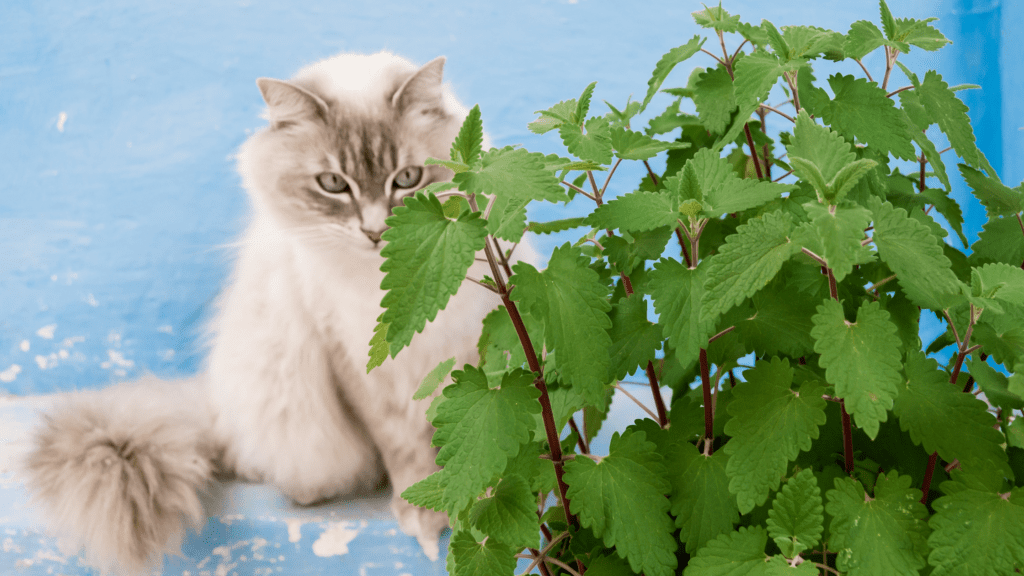
Catnip, scientifically known as Nepeta cataria, is a perennial herb from the mint family that has a fascinating effect on many cats. Native to Europe and Asia, it is now widely grown in gardens and as a houseplant. The primary compound responsible for its effects is nepetalactone, which is found in the leaves, stems, and seeds of the plant. 

When cats come into contact with catnip, they may exhibit behaviors such as rolling, rubbing, purring, and playful antics. This reaction is believed to be linked to the stimulation of sensory neurons, triggering a euphoric response that can last for about 10 to 15 minutes. Interestingly, not all cats respond to catnip — around 30% to 50% of cats lack the genetic sensitivity to nepetalactone and will show no reaction at all

While catnip is generally safe for adult cats to consume in moderation, kittens under the age of six months typically do not respond to it, as their sensory receptors are not yet fully developed. Additionally, frequent exposure can lead to a diminished response, so it is best used as an occasional treat. Understanding how catnip affects cats can enhance their enrichment, providing both mental and physical stimulation. However, cat owners should always monitor their pets for any signs of overconsumption, as ingesting large amounts may lead to mild digestive upset.

what does catnip do to cats

What is Catnip?

Catnip (Nepeta cataria) is a perennial herb from the mint family that is native to Europe and Asia but now grows worldwide. It is best known for its ability to trigger a unique response in cats, thanks to the compound nepetalactone, which is found in the plant’s leaves and stems. When cats inhale or consume catnip, nepetalactone binds to their nasal receptors, stimulating a response in their brain that leads to playful or euphoric behavior.

Catnip Properties & Characteristics

PropertyDetails
Scientific NameNepeta cataria
FamilyMint (Lamiaceae)
Active CompoundNepetalactone
Effect on CatsStimulating, euphoric, playful, relaxing
Effect Duration5-15 minutes
Grows inEurope, Asia, North America

Historically, catnip has been used not just for cats but also for medicinal purposes in humans, as it has mild sedative and digestive benefits. However, its most famous use remains as an enrichment tool for felines.

What Does Catnip Do to Cats?

Catnip affects felines in two major ways:

  1. Stimulatory Effect – Many cats become highly active, rolling, pouncing, rubbing against objects, and acting hyper.
  2. Relaxing Effect – After the initial excitement, many cats experience a calming phase where they lay down, purr, or nap.

Typical Cat Reactions to Catnip

ReactionCommon?Duration
Rolling on the ground✅ YesA few minutes
Purring loudly✅ Yes5-10 minutes
Running and jumping✅ Yes5-15 minutes
Aggression or excitement⚠️ OccasionallyVaries
Relaxation after excitement✅ Yes10-30 minutes

Not all cats respond to catnip, as sensitivity is inherited. If your cat doesn’t react, they may lack the genetic receptors needed to process nepetalactone.

Can Cats Eat Catnip?

Yes! Cats can safely eat catnip in moderate amounts. However, excessive consumption can lead to mild digestive issues like vomiting or diarrhea.

Form of CatnipSafe to Eat?Common Use
Fresh Catnip✅ YesStimulating playtime
Dried Catnip✅ YesStuffed in toys
Catnip Spray❌ NoSpraying on cat furniture

Can Kittens Have Catnip?

Kittens usually don’t react to catnip until they are around 3-6 months old. Younger kittens may ignore it entirely, as their sensitivity to nepetalactone develops over time.

catnip effect on cats

Is Catnip Good for Cats?

Yes, catnip has multiple benefits, including:

  • Encourages exercise – Great for indoor cats who need stimulation.
  • Reduces stress – Helps anxious cats feel more relaxed.
  • Promotes bonding – Play sessions with catnip toys strengthen owner-pet relationships.
Consumption MethodSafe?Effects
Sniffing/Inhaling✅ YesStimulating, euphoric
Eating Small Amounts✅ YesCalming, mild relaxation
Eating Large Amounts⚠️ In ModerationCan cause mild digestive issues

While catnip is non-toxic, excessive consumption can lead to vomiting or diarrhea, so it should always be given in moderation.

However, excessive exposure can make some cats overly excited or aggressive.

Catnip Effect on Cats: Short-Term vs. Long-Term Reactions

EffectShort-TermLong-Term
Hyperactivity✅ Common❌ No lasting impact
Relaxation✅ Temporary❌ Not long-term
Tolerance❌ No✅ Some cats become less responsive over time

How to Use Catnip for Cats

  • Sprinkle dried catnip on scratching posts or toys
  • Use catnip sprays on bedding or play areas
  • Give fresh catnip leaves for chewing

Always monitor your cat’s response and limit use if they become overstimulated.

Alternatives to Catnip

If your cat doesn’t respond to catnip, try these alternatives:

  • Silvervine – A stronger stimulant than catnip.
  • Valerian root – Encourages playfulness.
  • Tatarian honeysuckle – A great option for non-catnip-sensitive cats.

How to Grow and Store Catnip

Growing catnip is easy! It thrives in:
✅ Full sunlight
✅ Well-drained soil
✅ Regular watering

To store dried catnip, keep it in an airtight container in a cool, dark place to maintain potency.

Fun Ways to Use Catnip for Your Cat

  • Make DIY catnip toys – Fill old socks with dried catnip!
  • Catnip-infused treats – Sprinkle a bit over their food for an extra treat.
  • Training aid – Use catnip to encourage good behavior.

Does Catnip Work on Other Animals?

Surprisingly, some animals, like big cats (tigers, lions, leopards), also react to catnip! However, dogs and most other pets do not show the same response.

Conclusion & Pro Tip

Catnip is a fantastic way to enrich your cat’s life, providing both fun and relaxation. However, moderation is key to avoiding overstimulation.

Pro Tip: Store dried catnip in the freezer to keep it fresh for longer!

FAQs

1. Is catnip addictive for cats?

No, catnip is not addictive. Cats naturally lose interest after a short time.

2. Can catnip be harmful in large amounts?

Excessive consumption may cause mild stomach upset but is generally safe.

3. How often should I give my cat catnip?

A few times a week is ideal to prevent overexposure.

4. Why doesn’t my cat react to catnip?

Some cats lack the genetic sensitivity to nepetalactone.

5. Can I use catnip for training my cat?

Yes! Sprinkling catnip on scratching posts encourages proper use.

Why Does My Cat Lick Me? Surprising Reasons and Solutions

Have you ever found yourself sitting on the couch, only to have your cat wander over and start licking you? While it might feel cute and affectionate, you may also find yourself wondering, “Why does my cat lick me?” or “What does it mean when a cat licks you?” For cat owners, this behavior is a common yet puzzling experience.

Cats, being fascinating and mysterious creatures, use licking as a way to communicate. Whether it’s a sign of affection, territorial marking, or a response to anxiety, there’s always a reason behind your cat’s behavior. In fact, research by the Journal of Feline Medicine and Surgery indicates that grooming behaviors, including licking, play a crucial role in maintaining social bonds and reducing stress in cats.

​Understanding your cat’s licking behavior can provide insights into their emotional state and social interactions. Cats may lick their owners as a form of social bonding, a behavior known as allogrooming, which is common among feline family members. However, excessive licking can also be a sign of stress or anxiety. Recognizing the context and frequency of this behavior is essential for ensuring your cat’s well-being.

why do cats lick you

Why Do Cats Lick You? Exploring Common Reasons

Cats use licking as a form of non-verbal communication. While humans rely on speech, cats express emotions and intentions through body language, sounds, and physical actions. Licking can signify several things depending on the context, and understanding these motives can strengthen the bond you share with your feline friend.

Reason for LickingExplanationAdditional Signs to Look For
AffectionCats often lick people to express love and bonding, similar to how they groom each other.Purring, kneading, relaxed posture
Marking TerritoryCats have scent glands in their mouths and will lick to mark you as part of their family.Rubbing against you, head-butting
Grooming InstinctGrooming is a natural instinct. If your cat licks you, it might think you need some ‘cleaning up.’Repetitive licking in one spot
Stress or AnxietyCats may lick as a form of self-soothing during stressful situations.Excessive grooming, hiding, loss of appetite
Seeking AttentionIf your cat feels ignored, licking can be a way to grab your attention.Meowing, pawing, following you

A Sign of Affection: Understanding Cat Love Language

When a cat licks you, it’s often their way of showing affection. Mother cats lick their kittens as a form of nurturing, and this behavior continues into adulthood. If your cat licks you, they may be treating you like a part of their family, demonstrating love and care.

How to Tell if It’s Affectionate Licking

  • Purring: Cats often purr when they feel happy or comfortable.
  • Slow Blinking: This is a universal sign of trust in feline body language.
  • Kneading: Your cat may press its paws into your lap while licking you, a behavior reminiscent of kittenhood.

Marking Territory: Your Cat’s Way of Claiming You

Cats are territorial animals. They mark their environment using scent glands located in their cheeks, paws, and mouths. When your cat licks you, they might be leaving their scent to signal ownership. In a multi-cat household, this is especially common as cats assert dominance and ownership over their humans.

Comparison of Territorial Marking Behaviors

BehaviorPurposeCommon Signs
LickingScent marking through salivaFrequent licking, rubbing, or nibbling
Head BuntingMarking with facial scent glandsGentle head pressing on you
ScratchingVisual and scent marking using clawsClaw marks on furniture or walls

Grooming Instincts: Keeping You ‘Clean’

Licking is also a part of your cat’s innate grooming behavior. Cats spend a significant portion of their day grooming themselves, and when they groom you, it’s a sign they see you as family. Cats often groom each other in a behavior called allogrooming, which strengthens social bonds.

Why Your Cat Might Groom You

  • They think you smell unfamiliar or “dirty.”
  • It’s a form of bonding.
  • They’re mimicking their mother’s nurturing behavior.

Cats Licking Out of Curiosity

Cats are naturally curious creatures, and sometimes licking can be a way for them to explore their environment. Human skin carries different scents from soaps, lotions, or even the food you’ve handled. Cats may lick to investigate these new smells.

Curiosity Licking TriggersExamples
Lotions or CreamsScented body lotion or hand cream
Sweat or SaltCats are drawn to the salty residue from human sweat
Food ResidueTraces of food on hands or skin

Nutritional Deficiencies and Pica

In rare cases, a cat’s excessive licking might be linked to a nutritional deficiency or a condition called pica, where cats crave and consume non-food items. If you notice your cat licking non-edible objects like plastic or fabric, a vet consultation is necessary.

Potential Causes of Pica in Cats

CauseDescriptionSolution
Nutritional DeficiencyLack of essential nutrientsAdjust the cat’s diet with vet guidance
Anxiety or StressCoping mechanism due to stressProvide enrichment and reduce stressors
Medical ConditionGastrointestinal or dental issuesConduct a vet check-up

Conclusion

So, why does my cat lick me? Most of the time, it’s a gesture of affection and trust. Your cat sees you as part of its family and is comfortable enough to engage in grooming and marking behaviors. However, if the licking becomes excessive or is accompanied by other signs of distress, it’s best to consult with a veterinarian to rule out any underlying health issues.

Ultimately, understanding your cat’s unique behavior will strengthen the bond you share and ensure your feline friend feels loved and secure.

Pro Tip:

If your cat’s licking becomes overwhelming, try redirecting their behavior with a catnip toy or interactive puzzle. Providing mental stimulation can reduce the need for stress-induced licking.

FAQs

1. Why does my cat lick me and then bite me?

This behavior is often referred to as love biting. It usually means your cat is overstimulated or has had enough affection. Give them space and observe their body language.

2. Is it normal for my cat to lick me excessively?

While occasional licking is normal, excessive licking may indicate stress, anxiety, or a medical issue. A vet visit is recommended if it persists.

3. Can a cat’s licking be harmful?

Cats’ tongues are rough and may cause skin irritation if they lick excessively. Additionally, cat saliva may contain bacteria, so avoid letting them lick open wounds.

4. How can I reduce my cat’s licking behavior?

Provide more interactive toys, mental stimulation, and affection. Using cat-safe calming products can also help reduce stress-related licking.

5. Why does my cat lick my hair?

Cats sometimes lick human hair due to its texture, scent, or a grooming instinct. They may also see it as bonding behavior.

Cat Pregnancy Period: How Long Are Cats Pregnant? 

If you’ve ever wondered, how long are cats pregnant? or how long do cats stay pregnant?, you’re not alone. Understanding the cat gestation period is essential for providing the right care to a pregnant cat. On average, a cat pregnancy period lasts between 63 to 67 days (approximately 9 weeks), though it can sometimes extend up to 72 days in certain cases.

According to the American Veterinary Medical Association (AVMA), a cat can have between 4 to 6 kittens per litter, with some breeds giving birth to as many as 12 kittens in a single pregnancy. Knowing how long is a cat pregnant and what changes occur during the pregnancy can help you ensure a safe and healthy delivery for both the mother and her kittens.

This comprehensive guide will walk you through everything about feline pregnancy, from the first signs to post-birth care.

cat gestation period

What Is the Cat Gestation Period?

The cat gestation period refers to the time between conception and birth. Most cats are pregnant for around 63 to 67 days (or about 2 months). However, factors like breed, age, and health can influence the length of pregnancy.

Female cats can become pregnant as early as 4 months old, as they experience their first heat cycle around this time. They remain fertile for life, meaning they can get pregnant multiple times per year if they are not spayed.

How Long Is a Cat Pregnant?

The cat pregnancy period is relatively short compared to other animals. Below is a breakdown of the pregnancy stages:

Pregnancy StageDurationKey Developments
Fertilization & Early Development0-2 weeksEmbryos implant in the uterus, minor hormonal changes
Embryo Development2-4 weeksVisible pinking of nipples, increased appetite
Fetal Growth4-7 weeksAbdomen enlarges, kittens start moving
Pre-Labor & Nesting7-9 weeksNesting behaviors, restlessness, and decreased appetite

Signs of Pregnancy in Cats

A pregnant cat will show both physical and behavioral signs, which include:

  • Enlarged, pink nipples (visible after 2-3 weeks)
  • Increased appetite and weight gain
  • More affectionate or isolated behavior
  • A rounder belly by the 5th week
  • Nesting behavior in the last 2 weeks

If you’re unsure whether your cat is pregnant, a veterinarian can confirm it with an ultrasound as early as 15-20 days into pregnancy.

Stages of Cat Pregnancy

1. Fertilization & Early Development (Week 1-2)

After successful mating, the fertilized eggs travel to the uterus, where they implant into the uterine lining. During this time, there are no significant physical changes visible.

2. Embryo Development (Week 2-4)

At this stage, the embryos develop into kittens, and hormonal changes cause the nipples to turn pink and enlarge. Some cats may experience morning sickness, resulting in occasional vomiting.

3. Fetal Growth (Week 4-7)

The kittens develop rapidly, and their movements may be felt by gently touching the cat’s abdomen. By week 6-7, the mother cat’s stomach becomes significantly rounder.

4. Pre-Labor & Nesting (Week 7-9)

The cat will start looking for a warm, quiet place to give birth. Appetite may decrease, and she may become restless or anxious as labor approaches.

How to Care for a Pregnant Cat

  • Provide a comfortable nesting area (soft blankets in a quiet spot)
  • Feed high-protein kitten food to support her increased energy needs
  • Ensure she has constant access to fresh water
  • Keep her stress-free by limiting loud noises and sudden changes
Care AspectImportance
Proper DietHelps fetal development
Regular Vet CheckupsEnsures a healthy pregnancy
Stress-Free EnvironmentReduces risk of complications

how long do cats stay pregnant

How to Tell If Your Cat Is in Labor

Labor signs include:

  • Restlessness and excessive grooming
  • Loss of appetite
  • Licking the genital area frequently
  • Visible contractions

The Birthing Process: What to Expect

Labor can last between 4-12 hours, with kittens arriving every 30-60 minutes. If more than 24 hours pass without delivery, seek veterinary assistance.

Postpartum Care for Mother and Kittens

After birth, ensure:

  • Kittens start nursing within an hour
  • The mother rests in a warm, quiet area
  • Check for retained placentas or excessive bleeding

When to Call a Veterinarian

Seek immediate veterinary help if:

  • The mother cat is in labor for over 24 hours
  • There is excessive bleeding or distress
  • A kitten is stuck during birth

Can Cats Get Pregnant Again After Giving Birth?

Yes! A female cat can go into heat as early as 4 weeks postpartum. This is why spaying is crucial to prevent unplanned litters.

Spaying and Neutering: Why It’s Important

Spaying your cat prevents:

  • Unwanted pregnancies
  • Health risks like uterine infections
  • Overpopulation of stray cats

It’s best to spay after kittens are weaned, usually around 8-12 weeks after birth.

How to Identify False Pregnancy in Cats

Sometimes, cats display pregnancy signs without actually being pregnant. This is called a false pregnancy and usually resolves on its own within a few weeks.

Pro Tip

If you suspect your cat is pregnant, schedule a vet visit immediately. Proper prenatal care ensures a healthy pregnancy and safe delivery for your feline friend.

FAQs

1. How long are cats pregnant?
 

Cats are pregnant for an average of 63 to 67 days, though some pregnancies can last up to 72 days.

2. How can I tell if my cat is pregnant?

Signs include enlarged pink nipples, increased appetite, weight gain, and a rounder belly by the 5th week.

3. How many kittens can a cat have?

A typical litter contains 4 to 6 kittens, though some cats can have as many as 12 kittens.

4. Can cats get pregnant again right after giving birth?

Yes, a cat can go into heat as early as 4 weeks postpartum, so it’s best to spay her if you don’t want more litters.

5. Do pregnant cats need special food?

Yes, they should eat high-protein kitten food to support their energy needs and healthy kitten development.

How Long Do Cats Live? Shocking Facts About Cat Lifespan!

Many cat lovers often wonder, how long do cats live? The answer isn’t simple, as cat lifespan depends on various factors such as breed, lifestyle, genetics, diet, and medical care. On average, cat life expectancy ranges from 12 to 18 years, but some felines have been known to live over 30 years! A well-documented case is Crème Puff, a domestic cat from Texas, who holds the Guinness World Record for the oldest cat, having lived for 38 years and 3 days. This impressive lifespan proves that with proper care, good nutrition, and a safe environment, cats can enjoy a long and healthy life.

Understanding average cat life expectancy and taking the right measures can help cat owners maximize their pet’s longevity. Whether you have a kitten, an adult cat, or a senior feline, there are plenty of ways to ensure they live a long, healthy, and happy life. Let’s explore everything about cat age expectancy, from factors that affect their lifespan to tips for extending their life.

cat lifespan

Average Lifespan of a Cat

How Long Do Cats Live on Average?

The average lifespan of a cat depends on several variables, including whether they live indoors or outdoors. In general, indoor cats live significantly longer than outdoor cats because they are protected from environmental dangers such as traffic, predators, and diseases.

Type of CatAverage LifespanFactors Affecting Lifespan
Indoor Cats15-20 yearsControlled diet, safety, medical care
Outdoor Cats2-7 yearsExposure to predators, traffic, diseases
Mixed Breed14-18 yearsGenerally healthier genetics
Purebred Cats12-16 yearsProne to genetic disorders

Domestic cats are more likely to live longer than wild cats, who struggle with food scarcity and predators. However, a well-cared-for indoor cat can easily reach 18-20 years with the right lifestyle choices.

Factors Affecting Cat Life Expectancy

1. Breed & Genetics

A cat’s breed significantly influences its lifespan. Some breeds are naturally predisposed to live longer, while others may have genetic conditions that shorten their life expectancy.

Cat BreedAverage LifespanNotable Traits
Siamese15-20 yearsGenerally healthy, vocal, energetic
Ragdoll15-18 yearsGentle, indoor-friendly, prone to heart disease
Persian12-16 yearsProne to kidney disease, high-maintenance coat
Maine Coon12-15 yearsLarge breed, risk of hip dysplasia
Sphynx12-16 yearsRequires extra skin care

Mixed-breed cats tend to have stronger immune systems and fewer hereditary health issues, leading to a longer lifespan.

2. Indoor vs. Outdoor Lifestyle

Cats that live exclusively indoors have a higher cat age expectancy than those allowed to roam outdoors. Outdoor cats face numerous threats, including cars, wild animals, toxic substances, and infections.

FactorIndoor CatsOutdoor Cats
Average Lifespan15-20 years2-7 years
Disease RiskLowHigh
Injury RiskLowHigh

To extend your cat’s lifespan, it is recommended to keep them indoors or provide them with a secure outdoor space, such as a catio.

How to Extend Your Cat’s Lifespan

1. Provide a Balanced Diet

A nutritionally complete diet is essential for maintaining good health. Cats are obligate carnivores, meaning they require high-protein, meat-based diets to thrive.

Food TypeBenefitsRecommended Frequency
High-Protein Wet FoodSupports muscle health, hydrationDaily
Dry KibbleConvenient but can cause dehydrationIn moderation
Fresh MeatBest source of proteinOccasionally

Always provide fresh water and avoid feeding your cat too many treats, as excessive weight gain can reduce their lifespan.

2. Regular Veterinary Care

Routine check-ups and vaccinations prevent common diseases and detect issues early.

Vet Visit FrequencyPurpose
Kittens: Every 3 monthsVaccinations, growth monitoring
Adult Cats: AnnuallyGeneral check-ups, parasite prevention
Senior Cats: Every 6 monthsEarly detection of age-related diseases

Preventative care, including dental cleanings and parasite control, can significantly extend cat lifespan.

3. Keep Them Active and Mentally Stimulated

Engagement in regular exercise and mental stimulation keeps cats agile and reduces stress.

ActivityBenefits
Interactive PlayPrevents obesity, strengthens muscles
Climbing StructuresEncourages natural behaviors
Puzzle ToysStimulates intelligence

A well-stimulated cat is less likely to develop destructive behaviors or depression.

Common Health Issues That Affect a Cat’s Lifespan

As cats age, they become more prone to various illnesses that can impact their longevity.

Health ConditionSymptomsImpact on Lifespan
Kidney DiseaseIncreased thirst, weight lossCan shorten life by years if untreated
DiabetesFrequent urination, lethargyRequires lifelong insulin management
ObesityJoint pain, difficulty breathingIncreases risk of heart disease
Dental DiseaseBad breath, tooth lossLeads to infections affecting major organs

Regular vet visits and a healthy lifestyle can prevent many of these conditions.

How to Calculate a Cat’s Age in Human Years

To better understand your cat’s aging process, use this conversion chart:

Cat’s AgeHuman Equivalent
1 year15 years
5 years36 years
10 years56 years
15 years76 years

Older cats require special care, including softer food, more frequent vet visits, and comfortable resting areas.

Conclusion

So, how long do cats live? With proper care, indoor cats can live 15-20 years or even longer. Ensuring good nutrition, routine vet visits, mental stimulation, and a safe environment can significantly increase your cat’s lifespan.

Pro Tip:

Brushing your cat’s teeth can add years to their life by preventing infections that lead to organ damage!

FAQs

1. What’s the oldest cat ever recorded?

Crème Puff holds the record at 38 years and 3 days!

2. Can cats live up to 30 years?

Yes! Some cats surpass 30 with excellent care and genetics.

3. Do purebred cats have shorter lifespans?

Purebred cats are often prone to genetic disorders, while mixed breeds tend to live longer.

4. How can I keep my senior cat healthy?

Provide senior-friendly diets, more frequent vet check-ups, and ensure they have a stress-free environment.

5. Does spaying/neutering affect lifespan?

Yes! Spayed and neutered cats live longer as they have reduced risks of certain cancers and infections.

Can Dogs Have Sugar? The Surprising Answer & Health Risks

Many dog owners often wonder, “Can dogs have sugar?” or “Can dogs eat sugar?” The short and simple answer is no—sugar is not a necessary part of a dog’s diet and can cause various health problems if consumed regularly. Dogs process sugar differently than humans, and while a small amount may not immediately harm them, excessive sugar intake can lead to obesity, diabetes, dental issues, and even behavioral problems.

Fact: According to the Association for Pet Obesity Prevention (APOP), over 56% of dogs in the U.S. are overweight or obese, and poor diet choices—such as excess sugar consumption—are a significant factor.

Beyond weight gain, sugar can contribute to inflammation, digestive problems, and an increased risk of chronic illnesses in dogs. In this article, we’ll explore the effects of sugar on dogs, whether dogs can have brown sugar, the dangers of sweets for dogs, and healthier alternatives to keep your furry companion safe and happy.

can dogs eat sugar

Can Dogs Eat Sugar? The Hidden Dangers of Sweet Treats

1. How Sugar Affects a Dog’s Health

Sugar may be a common part of human diets, but for dogs, it offers zero nutritional benefits. While some pet owners believe that an occasional sugary treat won’t harm their dog, the long-term effects of sugar consumption can be serious. Here’s how sugar affects a dog’s body:

  • Weight Gain & Obesity – Dogs that consume excess sugar often develop unhealthy weight gain, which puts extra strain on their joints, leading to mobility issues and arthritis. Overweight dogs also tend to have reduced lifespans compared to their leaner counterparts.
  • Increased Risk of Diabetes – Just like in humans, frequent sugar intake can lead to insulin resistance, a condition where the body struggles to regulate blood sugar levels, ultimately resulting in diabetes.
  • Dental Decay & Oral Health Problems – Sugar creates the perfect environment for bacteria in a dog’s mouth to thrive, leading to plaque buildup, cavities, and painful gum infections.
  • Digestive Issues – Dogs’ digestive systems are not designed to handle high amounts of sugar, leading to diarrhea, bloating, and upset stomachs.
  • Behavioral Changes – Sugar can cause a short-term burst of energy, but once the sugar wears off, dogs can experience a crash, making them feel sluggish or irritable.

2. Can Dogs Have Brown Sugar?

Many pet owners assume that brown sugar is healthier than white sugar and may wonder if it’s a safer option for dogs. However, brown sugar is simply white sugar mixed with molasses, meaning it has the same negative effects as regular sugar.

Type of SugarCan Dogs Eat It?Potential Health Risks
White Sugar❌ NoLeads to obesity, diabetes, and dental issues
Brown Sugar❌ NoSame risks as white sugar
Artificial Sweeteners⚠️ DependsSome, like xylitol, are highly toxic
Natural Sugars (Fruits)✅ In moderationSome fruits are safe for dogs

Even though brown sugar contains slightly more minerals due to the molasses content, the health risks far outweigh any benefits. It’s best to keep all added sugars, including brown sugar, out of your dog’s diet.

Is Sugar Harmful to Dogs? Understanding the Long-Term Effects

3. The Dangers of Feeding Sugar to Dogs

Feeding dogs sugar regularly can lead to a variety of health problems that build up over time. The long-term effects of sugar consumption include:

  • Obesity & Joint Issues – Overweight dogs are more likely to develop joint pain, hip dysplasia, and arthritis. Extra weight puts significant pressure on their bones and ligaments, reducing mobility.
  • Diabetes & Insulin Resistance – High sugar consumption disrupts normal insulin function, increasing the risk of Type 2 diabetes. Dogs with diabetes require lifelong medication and dietary restrictions.
  • Weakened Immune System – Sugar contributes to chronic inflammation, making dogs more susceptible to infections, allergies, and slow wound healing.
  • Heart & Liver Issues – Excess sugar intake can damage vital organs, leading to liver disease and an increased risk of heart problems.

is sugar harmful to dogs

Can Dogs Have Sweets? Understanding Safe & Unsafe Treats

4. The Dangers of Artificial Sweeteners

Many sweets contain artificial sweeteners, which can be even more harmful than natural sugar. One of the most dangerous sweeteners for dogs is xylitol, which is found in sugar-free gum, candy, and even peanut butter.

Artificial SweetenerCommonly Found InDanger Level for Dogs
XylitolSugar-free gum, candyExtremely toxic – causes liver failure
AspartameDiet sodas, sugar-free productsUpset stomach, neurological issues
SorbitolSugar-free treatsCan cause diarrhea in large amounts

Xylitol is 100 times more toxic to dogs than chocolate, so it should be completely avoided. If your dog accidentally consumes anything containing xylitol, seek emergency veterinary care immediately.

Healthier Alternatives: What Can Dogs Eat Instead of Sugar?

5. Safe & Nutritious Alternatives to Sugar

Instead of processed sugar, opt for healthy, dog-friendly alternatives that provide natural sweetness and essential nutrients.

Healthy Treats for DogsBenefits
BlueberriesHigh in antioxidants and fiber
Apples (seedless)Great source of vitamins A & C
CarrotsLow-calorie, crunchy snack for dental health
Plain YogurtContains probiotics for digestion
Unsweetened Peanut ButterHigh in protein, but avoid xylitol

These natural foods provide fiber, vitamins, and minerals without the harmful effects of sugar.

How to Reduce Sugar in Your Dog’s Diet

6. Tips to Eliminate Sugar from Your Dog’s Meals

  1. Check Ingredient Labels – Avoid dog foods and treats with added sugars like corn syrup, fructose, or dextrose.
  2. Prepare Homemade Dog Treats – Control what your dog eats by making treats with natural ingredients.
  3. Increase Protein Intake – Lean meats, eggs, and fish provide essential nutrients without the sugar.
  4. Hydration is Key – Ensure your dog drinks plenty of fresh water to help flush out excess sugar and toxins.

Conclusion

So, can dogs have sugar? While a small amount of sugar won’t cause immediate harm, regular consumption leads to serious health issues like obesity, diabetes, and dental disease. Dogs should not eat sugar, sweets, or brown sugar due to the risks involved. Instead, opt for healthy, natural alternatives like fruits, vegetables, and high-protein snacks to keep your pet healthy and happy.

Pro Tip:

Instead of sugary treats, reward your dog with fun activities like a new toy or an extra-long walk—they’ll appreciate it more than you think!

FAQs

1. Can dogs eat a little bit of sugar?

A tiny amount won’t harm them immediately, but it’s best to avoid it.

2. Is honey safe for dogs?

Yes, but only in moderation—it still contains natural sugars.

3. Can dogs eat ice cream?

No, most ice cream contains sugar and lactose, which can upset a dog’s stomach.

4. What happens if my dog eats chocolate and sugar?

Chocolate is toxic to dogs, and combined with sugar, it can cause serious poisoning. Seek vet help immediately.

5. What is the healthiest treat for dogs?

Fruits like apples, bananas, and blueberries or dog-friendly peanut butter.

Dog Vaccines 101: What Every Pet Parent Needs to Know

Keeping your dog healthy starts with proper dog vaccinations. Just like humans, dogs are susceptible to numerous life-threatening diseases, many of which can be prevented with routine vaccines. Vaccines for dogs not only protect your pet but also contribute to public health by reducing the spread of infectious diseases.

According to the World Health Organization (WHO), rabies vaccinations prevent nearly 59,000 human deaths every year. This staggering statistic highlights the importance of dog vaccines, which play a vital role in keeping both animals and humans safe.

But what vaccines do dogs need? What is the correct puppy shot schedule? And how often should adult dogs get booster shots? This guide will cover everything you need to know about vaccinations for dogs, ensuring your furry friend stays healthy for years to come.

dog vaccinations

Why Are Dog Vaccinations Important?

Vaccinations work by stimulating your dog’s immune system to recognize and fight off harmful viruses and bacteria. Without vaccines for dogs, many diseases can lead to severe illness, permanent damage, or even death.

Key Benefits of Dog Vaccinations

BenefitExplanation
Disease PreventionProtects against deadly illnesses like rabies, distemper, and parvovirus.
Herd ImmunityReduces the spread of infectious diseases within the community.
Cost-EffectivePrevents expensive veterinary treatments for preventable diseases.
Legal ComplianceSome vaccinations, such as rabies, are required by law.

Vaccines are not just for individual protection; they also help safeguard the pet community. If a significant percentage of the dog population is vaccinated, the spread of diseases is greatly reduced, benefiting both pets and their owners.

What Vaccines Do Dogs Need?

Not all vaccines are necessary for every dog. They are divided into two categories: core vaccines (essential for all dogs) and non-core vaccines (recommended based on lifestyle, location, and risk exposure).

Core Vaccines for Dogs

Core vaccines are considered essential because they protect against highly contagious and deadly diseases.

VaccineDisease PreventedFrequency
RabiesFatal viral infection affecting the brainEvery 1-3 years
DistemperAffects respiratory, nervous, and digestive systemsEvery 3 years
ParvovirusSevere gastrointestinal diseaseEvery 3 years
Adenovirus (Hepatitis)Causes liver damage and respiratory infectionsEvery 3 years

Non-Core Vaccines for Dogs

Non-core vaccines are optional but highly recommended for dogs based on their lifestyle, environment, and exposure risks.

VaccineRecommended ForFrequency
BordetellaDogs frequently in kennels, daycare, or dog parksEvery 6-12 months
Lyme DiseaseDogs living in tick-infested areasAnnually
Canine InfluenzaDogs exposed to large groups of other dogsAnnually
LeptospirosisDogs exposed to wildlife or contaminated waterAnnually

Your veterinarian can help you determine whether non-core vaccines are necessary based on your dog’s specific lifestyle and risks.

Puppy Shot Schedule: When and What to Expect

Puppies receive some immunity from their mother’s milk, but this protection fades after a few weeks. A proper puppy shot schedule is essential to build immunity and protect them from common diseases.

First-Year Puppy Vaccination Schedule

AgeVaccine
6-8 weeksDistemper, Parvovirus
10-12 weeksDHPP (Distemper, Hepatitis, Parvovirus, Parainfluenza)
12-16 weeksRabies, DHPP booster
16-20 weeksLeptospirosis, Bordetella (if needed)

Adult Dog Vaccine Schedule

VaccineFrequency
RabiesEvery 1-3 years
DHPPEvery 3 years
BordetellaEvery 6-12 months
LeptospirosisAnnually

Consistently following the dog vaccine schedule ensures your pet remains protected throughout their life.

puppy shot schedule

Common Side Effects and How to Handle Them

While most dogs tolerate vaccines well, minor side effects are possible.

Mild Side Effects (Usually resolve within 24-48 hours)

✅ Mild fever
✅ Temporary lethargy
✅ Swelling at the injection site

Severe Side Effects (Rare but require immediate vet attention)

❌ Vomiting
❌ Facial swelling
❌ Difficulty breathing

If you notice severe reactions after a vaccination, contact your veterinarian immediately.

Cost of Dog Vaccines and Ways to Save

Dog vaccinations are an investment in your pet’s health, but the cost can add up. Here’s a general price breakdown:

VaccineAverage Cost
Rabies$15-$30
DHPP$20-$50
Bordetella$10-$30
Leptospirosis$20-$40

How to Save on Dog Vaccines

💡 Look for free or low-cost vaccine clinics run by animal shelters.
💡 Enroll in pet wellness plans that cover vaccines.
💡 Check with local vet schools offering discounted services.

Myths and Misconceptions About Dog Vaccinations

There are several myths surrounding vaccinations for dogs, and it’s important to separate fact from fiction.

Myth: “Vaccines can cause autism in dogs.”
Truth: There is no scientific evidence linking vaccines to autism in dogs.

Myth: “Indoor dogs don’t need vaccinations.”
Truth: Even indoor dogs can be exposed to diseases through humans, other pets, or trips outside.

Final Thoughts

Following a proper dog vaccine schedule and keeping up with vaccinations for dogs is one of the most effective ways to keep your pet healthy. Whether it’s a puppy shot schedule or booster shots for adult dogs, vaccinations are a critical part of responsible pet ownership.

🔥 Pro Tip: Keep a digital copy of your dog’s vaccination records. Many boarding facilities, groomers, and dog parks require proof of vaccinations!

FAQs

1. Can my dog go outside without vaccinations?

No, unvaccinated dogs are at high risk of contracting deadly diseases from the environment and other animals.

2. How often should dogs get rabies shots?

Rabies vaccines are required by law and should be administered every 1-3 years, depending on your location.

3. Are dog vaccines safe?

Yes! While minor side effects are possible, the benefits of vaccinations far outweigh the risks.

4. What happens if my dog misses a vaccination?

If your dog misses a vaccine, consult your vet for a catch-up schedule.

5. Can vaccines make my dog sick?

Most side effects are mild and temporary, such as fatigue or mild swelling. Serious reactions are rare.

15 Best Low Maintenance Dogs – Easy-Care Breeds for Any Lifestyle

Choosing the right dog is a big decision, especially if you have a busy lifestyle and can’t commit to constant grooming, training, or exercise. Low maintenance dogs are an excellent choice for people who love the companionship of a pet but want a breed that doesn’t require extensive care. Whether you’re looking for the least maintenance dog, a low maintenance puppy breed, or the best low maintenance dogs for families, there are plenty of options to suit different lifestyles.

Studies show that over 70% of U.S. households own a pet, and many prefer low maintenance dog breeds due to their easier care requirements. These breeds typically have short coats, low energy levels, and independent personalities, making them ideal for first-time owners, seniors, or busy professionals.

In this guide, we will explore the easiest-to-care-for low maintenance dog breeds, from small lap dogs to large, gentle giants. We’ll also cover the key traits that make a dog low maintenance, so you can find the perfect pet to match your lifestyle.

low maintenance dog breeds

What Makes a Dog Low Maintenance?

A dog’s care requirements depend on factors like grooming needs, exercise levels, health conditions, and training ease. Some breeds naturally require less upkeep than others, making them ideal for owners looking for a simple pet-care routine.

1. Grooming Needs

One of the biggest factors in determining a low maintenance dog is its grooming requirements. Dogs with short, single-layered coats shed less and don’t require frequent brushing or professional grooming. Breeds like Chihuahuas, French Bulldogs, and Beagles fall into this category, as they only need occasional baths and minimal brushing.

2. Energy Levels and Exercise

Some dogs are naturally energetic and need plenty of daily exercise, while others are content with a short walk and some indoor play. Low-energy breeds, such as Basset Hounds and Greyhounds, don’t demand constant activity and are often content lounging around.

3. Health and Longevity

Some breeds are prone to health issues, requiring frequent vet visits and medical care. Low maintenance dogs tend to be healthier overall, with fewer genetic problems. Breeds like Whippets and Italian Greyhounds are known for their robust health and long lifespan.

4. Training and Temperament

Intelligent and obedient dogs are easier to train, reducing the time and effort needed to instill good behavior. Some breeds, like Labrador Retrievers and Boston Terriers, pick up commands quickly and have an easy-going nature, making them ideal for busy owners.

Not all dogs require constant care and attention. Here are the key factors that determine a low maintenance dog:

FactorWhy It Matters
Grooming NeedsShort-haired breeds require less brushing and professional care.
Energy LevelsDogs with lower energy need less exercise and playtime.
Health & LongevityRobust breeds with few genetic issues require fewer vet visits.
Training RequirementsIntelligent and obedient breeds are easier to train.

If you’re looking for a furry friend that fits your lifestyle, check out these low maintenance dog breeds!

Best Low Maintenance Small Dogs

1. Chihuahua

Chihuahuas are one of the easiest dogs to care for due to their tiny size and minimal grooming requirements. Their short coats require little maintenance, and they don’t need frequent baths. Chihuahuas are also highly independent and can entertain themselves, making them perfect for owners who aren’t home all day. However, they do enjoy affection and should receive attention when possible.

✔ Minimal grooming
✔ Small size, easy to handle
✔ Independent and requires little exercise

2. French Bulldog

French Bulldogs are affectionate, adaptable, and require little exercise. Their short coats shed minimally, and they don’t need professional grooming. These dogs thrive in apartments and are known for their easygoing nature. They are prone to overheating, so owners should avoid excessive outdoor activities in hot weather.

✔ Short coat, low shedding
✔ Low energy—perfect for apartment living
✔ Affectionate but independent

3. Boston Terrier

Boston Terriers are friendly, playful, and easy to train. They have short coats that require minimal grooming and shed very little. These dogs are highly adaptable and don’t require excessive exercise, making them great companions for people living in small spaces.

✔ Friendly and easy-going
✔ Minimal shedding
✔ Adaptable to different lifestyles

4. Pug

Pugs are affectionate, low-energy dogs that thrive in households with moderate activity levels. Their short coats are easy to maintain, and they don’t require extensive grooming. They are prone to obesity, so regular exercise and portion control are essential.

✔ Short coat, easy to groom
✔ Loves companionship, requires little exercise
✔ Playful but not hyperactive

5. Dachshund

Dachshunds come in three coat types: short-haired, long-haired, and wire-haired. The short-haired variety is the easiest to maintain, requiring little brushing. These dogs are intelligent, playful, and adaptable, making them great companions for all types of owners.

✔ Comes in short-haired, wire-haired, and long-haired varieties
✔ Intelligent and independent
✔ Short-haired variety is easiest to maintain

Best Medium-Sized Low Maintenance Dogs

6. Basset Hound

Basset Hounds are known for their laid-back personality and minimal grooming needs. Their short coats require only occasional brushing, and they are content with moderate exercise. Their calm temperament makes them great for apartment living.

✔ Laid-back personality
✔ Minimal grooming needs
✔ Happy with moderate exercise

7. Whippet

Whippets have short, smooth coats that are incredibly easy to maintain. These dogs are energetic in short bursts but are often found lounging for most of the day. They require only occasional baths and light exercise.

✔ Low-shedding coat
✔ Moderate exercise needs
✔ Generally healthy and low-maintenance

8. Beagle

Beagles are friendly, independent, and low-maintenance when it comes to grooming. They have short coats that shed minimally and are relatively easy to train. Their curious nature makes them great companions, but they do need moderate exercise to stay happy.

✔ Short coat, easy to groom
✔ Friendly and adaptable
✔ Self-entertaining and independent

9. Basenji

The Basenji is a unique dog known for its “barkless” nature. They rarely shed and require minimal grooming. Additionally, they tend to keep themselves clean, much like a cat, making them one of the easiest dogs to care for.

✔ “Barkless” dog breed
✔ Self-grooming (like a cat!)
✔ Low exercise requirements

Best Large Low Maintenance Dogs

10. Greyhound

Despite their racing history, Greyhounds are surprisingly lazy indoors. They require minimal grooming due to their short coats and are content with a short daily walk. Their gentle nature makes them excellent companions for families and individuals alike.

✔ Surprisingly lazy indoors
✔ Minimal coat care
✔ Gentle and quiet

11. Labrador Retriever

Labrador Retrievers are one of the most popular dog breeds, known for their easy-going nature and trainability. They require moderate exercise but are relatively low maintenance in terms of grooming. Their short coats shed, but regular brushing keeps it under control.

✔ Easygoing and trainable
✔ Requires brushing but no professional grooming
✔ Great for families

12. Boxer

Boxers are intelligent, loyal, and low-maintenance dogs. Their short coats require little grooming, and they have a playful yet manageable energy level. They are great for families looking for an affectionate companion.

✔ Loyal and intelligent
✔ Short-haired, minimal shedding
✔ Low grooming needs

13. Great Dane

Great Danes, despite their massive size, are actually low-energy dogs that require minimal grooming. Their short coats shed very little, and they are known for their gentle, easy-going nature.

✔ Gentle giant, great with families
✔ Short coat, requires little grooming
✔ Happy with moderate exercise

Best Low Maintenance Puppy Breeds

14. Shiba Inu

Shiba Inus are highly independent and naturally clean dogs. They require little grooming, as their coat repels dirt and odors. Although they enjoy occasional play, they don’t demand excessive attention.

✔ Naturally clean and independent
✔ Rarely requires grooming
✔ Low-energy but loves playtime

15. Italian Greyhound

Italian Greyhounds are one of the most low-maintenance dog breeds. They have short coats, require minimal grooming, and are content with short bursts of exercise.

✔ Small but independent
✔ Short coat, easy to groom
✔ Enjoys lounging indoors

How to Care for a Low Maintenance Dog

Even the least maintenance dog needs basic care. Follow these simple tips:

Care AspectTips
DietProvide high-quality dog food to maintain overall health.
GroomingEven short-haired breeds need occasional brushing and baths.
ExerciseRegular but moderate exercise keeps your dog happy and healthy.
TrainingUse positive reinforcement for obedience training.

Conclusion

Finding the best low maintenance dogs means considering factors like grooming, energy levels, and trainability. Whether you want a low maintenance small dog like a Chihuahua or a large, relaxed breed like a Great Dane, there’s a perfect pet for your lifestyle!

🔥 Pro Tip: Always choose a dog that matches your lifestyle to ensure a happy and stress-free pet experience!

FAQs

1. What is the least maintenance dog?

The Greyhound is one of the lowest maintenance dogs, requiring little grooming and moderate exercise.

2. Are small dogs easier to maintain than large dogs?

It depends! Some small dogs have high energy, while larger breeds like Greyhounds are very relaxed.

3. Do low maintenance dogs still require training?

Yes, all dogs benefit from basic obedience training for good behavior.

4. What is the best low maintenance puppy breed?

The Shiba Inu is a great option—independent, clean, and easy to care for.

5. Are low maintenance dogs good for first-time owners?

Yes! Breeds like Boston Terriers and French Bulldogs are perfect for beginners.

Top 10 Large Dog Breeds – Giant Dogs You’ll Love

Some of the biggest dogs in the world are not just massive in size but also have equally big hearts! Large dog breeds are known for their strength, loyalty, and protective nature, making them great companions for families, farmers, and even search-and-rescue teams. If you’ve ever seen a Great Dane, English Mastiff, or Saint Bernard, you know how awe-inspiring their size can be.

Did you know? The heaviest dog ever recorded was an English Mastiff named Zorba, who weighed a staggering 343 pounds (156 kg) and measured over 8 feet long!

In this detailed guide, we’ll explore the top 10 big dog breeds, their characteristics, and important considerations for potential owners. If you love giant dog breeds, read on to find out which one is right for you!

biggest dog breed

1. Great Dane – The Tallest Dog Breed

The Great Dane is a truly majestic breed, often recognized for its towering height and sleek body. Despite their intimidating size, they are gentle, affectionate, and excellent family companions.

Physical Characteristics

FeatureDetails
Height28-34 inches (71-86 cm)
Weight110-175 lbs (50-79 kg)
Lifespan7-10 years
Coat TypeShort and smooth

Temperament & Care

  • Friendly and affectionate: Great Danes are loving pets that enjoy human interaction.
  • Gentle with children: Their calm nature makes them great around kids.
  • Exercise needs: Moderate—daily walks and playtime are sufficient.
  • Health concerns: Prone to hip dysplasia and bloat; regular vet check-ups are necessary.

2. English Mastiff – The Heaviest Dog Breed

The English Mastiff holds the record for the biggest dog breed by weight. This muscular giant is loyal, calm, and protective, making them excellent family pets and guardians.

Physical Characteristics

FeatureDetails
Height27-32 inches (69-81 cm)
Weight160-230 lbs (73-104 kg)
Lifespan6-10 years
Coat TypeShort and dense

Temperament & Care

  • Gentle giants: Despite their size, they are affectionate and docile.
  • Great guard dogs: Protective but rarely aggressive.
  • Exercise needs: Moderate; they enjoy short walks but avoid overexertion.
  • Health concerns: Prone to joint issues and heart conditions.

3. Saint Bernard – The Alpine Rescuer

Saint Bernards are famous for their heroic rescues in the Swiss Alps. They are large, strong, and incredibly affectionate.

Physical Characteristics

FeatureDetails
Height25-30 inches (64-76 cm)
Weight120-180 lbs (54-82 kg)
Lifespan8-10 years
Coat TypeThick, dense, and fluffy

Temperament & Care

  • Loving and patient: Excellent with families and children.
  • Needs space: Best suited for homes with large yards.
  • Exercise needs: Moderate but enjoys outdoor play.
  • Health concerns: Prone to hip dysplasia and heart disease.

4. Irish Wolfhound – The Ancient Giant

One of the tallest and oldest dog breeds, Irish Wolfhounds were originally bred for hunting large game.

Physical Characteristics

FeatureDetails
Height30-35 inches (76-89 cm)
Weight105-180 lbs (48-82 kg)
Lifespan6-8 years
Coat TypeRough and wiry

Temperament & Care

  • Quiet and friendly: Not aggressive but protective.
  • Low-maintenance coat: Requires occasional grooming.
  • Exercise needs: Moderate; they enjoy long walks.

5. Newfoundland – The Water Rescue Dog

The Newfoundland is an excellent swimmer, known for its life-saving instincts.

Physical Characteristics

FeatureDetails
Height26-28 inches (66-71 cm)
Weight100-150 lbs (45-68 kg)
Lifespan9-10 years
Coat TypeThick, water-resistant

Temperament & Care

  • Great swimmers: Used in water rescue missions.
  • Friendly and loyal: Good with families and kids.
  • Exercise needs: Moderate but loves swimming.

6. Leonberger – The Lion-Like Guardian

The Leonberger has a majestic lion-like mane and a balanced temperament.

Physical Characteristics

FeatureDetails
Height25-31 inches (64-79 cm)
Weight90-170 lbs (41-77 kg)
Lifespan8-10 years
Coat TypeThick and fluffy

Temperament & Care

  • Affectionate and social: Loves human companionship.
  • Exercise needs: High; enjoys physical activity.

7. Tibetan Mastiff – The Furry Protector

Bred to guard livestock, the Tibetan Mastiff is strong-willed and independent.

Physical Characteristics

FeatureDetails
Height24-30 inches (61-76 cm)
Weight90-160 lbs (41-73 kg)
Lifespan10-12 years
Coat TypeThick and woolly

Temperament & Care

  • Loyal but independent: Best for experienced owners.

8. Bernese Mountain Dog – The Friendly Worker

  • Height: 23-27 inches
  • Weight: 70-115 lbs
  • Lifespan: 7-10 years

Originally bred for farm work, Bernese Mountain Dogs are friendly and affectionate. They have a thick tri-colored coat and love being around people, making them excellent family dogs.

9. Anatolian Shepherd – The Herd Guardian

  • Height: 27-29 inches
  • Weight: 80-150 lbs
  • Lifespan: 11-13 years

The Anatolian Shepherd is a powerful and intelligent dog, primarily used for guarding livestock. They are extremely protective and require proper training from an early age.

FeatureDetails
Best forGuarding, Farm Work
TemperamentProtective, Independent
Coat TypeShort to Medium

10. Great Pyrenees – The Snowy Guardian

  • Height: 25-32 inches
  • Weight: 85-160 lbs
  • Lifespan: 10-12 years

The Great Pyrenees is a large, fluffy dog originally bred for guarding sheep in mountainous regions. They are calm, affectionate, and protective, making them excellent family guardians.

Conclusion

The biggest dogs in the world are not only impressive in size but also in personality. Whether you’re looking for a gentle giant to cuddle with or a protective guardian, these large dog breeds offer a variety of temperaments and characteristics. However, owning a giant breed requires commitment, space, and proper care.

Pro Tip

If you’re planning to adopt a giant dog breed, make sure you have enough space and budget for their food and medical needs. These big dogs may come with big responsibilities, but the love they give in return is priceless!

FAQs

1. Which is the biggest dog breed by weight?

The English Mastiff is the heaviest dog breed, with some individuals weighing over 230 pounds.

2. What is the tallest dog in the world?

The Great Dane holds the record for the tallest dog, with some standing up to 44 inches at the shoulder.

3. Are large dog breeds good family pets?

Yes! Most large dog breeds are gentle, loyal, and affectionate, making them great companions for families.

4. Do giant dogs require a lot of exercise?

It depends on the breed. Some, like the Irish Wolfhound, need moderate exercise, while others, like the Newfoundland, are more active.

5. What is the best big dog breed for first-time owners?

The Bernese Mountain Dog and Great Dane are great options due to their friendly nature and ease of training.

Top 10 Small Dog Breeds: The Best Small Breed Dogs for Every Home

Small dogs have always been a favorite for pet lovers. Their compact size, adorable looks, and affectionate nature make them ideal for both apartments and larger homes. Whether you are looking for a playful companion or a loyal lap dog, small dog breeds fit the bill perfectly. 

According to the American Kennel Club (AKC), the smallest dog breed, the Chihuahua, weighs as little as 2 to 6 pounds. If you are considering adopting a small dog, this guide will introduce you to the top 10 small dog breeds that are popular and well-loved by families around the world.

small dogs

Why Choose a Small Dog?

Small dog breeds offer numerous advantages to pet owners. They are easy to handle, require less space, and adapt well to apartment living. Additionally, they consume less food compared to larger breeds, making them more affordable in the long run. Their lifespan is also generally longer, with many small breeds living 12–16 years or more.

Here’s a quick overview of why small dogs might be the perfect pet for you:

BenefitExplanation
Apartment-FriendlySmall dogs require less space and are ideal for city living.
Easy to CarryTheir lightweight nature makes them easy to transport.
Long LifespanMany small breeds live beyond 15 years with proper care.
Less Food ConsumptionRequires less food, making them cost-effective.
Great CompanionshipSmall dogs are known for their affectionate and loyal nature.

Top 10 Small Dog Breeds

1. Chihuahua

Chihuahuas are the smallest dog breed, yet they have big personalities. They are extremely loyal and love human companionship. Despite their tiny size, they are bold, energetic, and can be quite protective of their owners.

AttributeDetails
Size2–6 lbs
Lifespan12–20 years
TemperamentLoyal, bold, energetic
Best ForSmall apartments, single owners

2. Pomeranian

Pomeranians are fluffy, friendly, and full of energy. Their thick coat requires regular grooming, but their affectionate nature makes up for the extra effort.

AttributeDetails
Size3–7 lbs
Lifespan12–16 years
TemperamentLively, affectionate, intelligent
Best ForFamilies, active owners

3. Yorkshire Terrier

Yorkies are among the most popular small dog breeds due to their charming looks and intelligence. They are highly trainable and love to socialize.

AttributeDetails
Size4–7 lbs
Lifespan12–15 years
TemperamentIntelligent, affectionate, bold
Best ForApartment living, first-time owners

4. Maltese

Maltese dogs are known for their silky white coat and affectionate nature. They make excellent lap dogs and love being pampered.

AttributeDetails
Size4–7 lbs
Lifespan12–15 years
TemperamentFriendly, gentle, playful
Best ForFamilies, elderly owners

5. Pug

Pugs have adorable wrinkly faces and a playful nature. They are social dogs and love being around people.

AttributeDetails
Size14–18 lbs
Lifespan12–15 years
TemperamentPlayful, affectionate, friendly
Best ForFamilies, kids

6. Shih Tzu

Shih Tzus are known for their luxurious coats and gentle temperament. They are friendly and love lounging with their owners.

AttributeDetails
Size9–16 lbs
Lifespan10–16 years
TemperamentAffectionate, friendly, calm
Best ForApartment living, families

7. Dachshund

Dachshunds, also called “wiener dogs,” are energetic and love to dig and explore.

AttributeDetails
Size8–32 lbs
Lifespan12–16 years
TemperamentCurious, brave, friendly
Best ForSmall homes, active owners

Conclusion & Pro Tip

Small dog breeds are perfect companions for a variety of lifestyles. Whether you live in a small apartment or have a large home, one of these small dogs could be the perfect match for you!

Pro Tip: If you’re looking for a small dog that doesn’t shed much, consider a Yorkshire Terrier or a Maltese. They have hair instead of fur, which reduces shedding!

FAQs

1. What is the smallest dog breed in the world?

The Chihuahua is the smallest dog breed in the world, typically weighing between 2 to 6 pounds and standing around 5 to 8 inches tall.

2. Are small dogs good for first-time owners?

Yes! Many small dog breeds, such as the Maltese, Yorkshire Terrier, and Pug, are great for first-time owners due to their affectionate nature and ease of care.

3. Do small dog breeds require a lot of exercise?

Most small breeds need moderate exercise. Breeds like Papillons and Dachshunds have higher energy levels, while others, like Shih Tzus and Pugs, are more laid-back and require less physical activity.

4. Are small dog breeds good with kids?

Some small breeds, like Pugs and Shih Tzus, are excellent with kids, while others, like Chihuahuas and Yorkshire Terriers, may prefer adult company and require socialization to get along well with children.

5. Which small dog breeds shed the least?

Breeds like the Maltese, Yorkshire Terrier, and Miniature Schnauzer are known for minimal shedding, making them a good choice for allergy sufferers.

Dog Chewing Problem? Here’s How to Stop It Fast!

Dogs are wonderful companions, but if you’ve ever come home to find your furniture destroyed, your shoes torn apart, or cables chewed through, you’re probably wondering: “Why does my dog chew on everything?” Chewing is a natural behavior in dogs, but when it becomes destructive, it can be frustrating and costly.

According to the American Veterinary Medical Association (AVMA), chewing is a fundamental instinct in dogs that helps maintain oral health and relieve anxiety. However, excessive or inappropriate chewing can be a sign of underlying issues such as boredom, stress, or lack of training.

This comprehensive guide will help you understand why dogs chew, how to stop a dog from chewing destructively, and the best methods for managing a puppy’s teething phase. By the end of this article, you’ll have actionable strategies to protect your belongings while ensuring your dog remains happy and healthy.

how to stop a dog from chewing

Why Do Dogs Chew?

Dogs chew for several reasons, and understanding the root cause is the first step in preventing destructive chewing. Let’s explore the most common reasons why dogs chew everything in sight.

1. Natural Instinct

Chewing is an innate behavior in dogs. It helps them explore their environment, exercise their jaws, and keep their teeth clean. Puppies and adult dogs alike enjoy chewing as part of their natural tendencies.

Key Points:

✔️ Dogs use their mouths to investigate new objects.
✔️ Chewing strengthens their jaws and cleans their teeth.
✔️ It is a natural stress reliever for dogs of all ages.

2. Teething in Puppies

Just like human babies, puppies go through a teething phase that can be painful. During this period, they chew to soothe their sore gums and to help their baby teeth fall out, making way for adult teeth.

Signs of Teething in Puppies:

🔹 Increased chewing on hard surfaces.
🔹 Swollen or red gums.
🔹 Drooling more than usual.
🔹 Reluctance to eat hard food.

How to Help a Teething Puppy:

  • Provide soft chew toys designed for puppies.
  • Offer frozen washcloths or ice cubes to soothe gum pain.
  • Avoid giving them items that are too hard, as they can damage developing teeth.

3. Boredom & Excess Energy

A dog left alone with nothing to do will often turn to chewing as a form of entertainment. High-energy breeds, such as Border Collies and Labradors, require regular mental and physical stimulation to prevent destructive behaviors.

Signs of Boredom in Dogs:

✔️ Restlessness and pacing.
✔️ Excessive barking or whining.
✔️ Chewing on inappropriate objects.
✔️ Digging holes or scratching floors.

Solutions for Boredom-Induced Chewing:

  • Increase daily exercise with walks, fetch, or tug-of-war.
  • Introduce puzzle toys to engage their minds.
  • Set up interactive play sessions with other dogs.

4. Anxiety & Stress

Dogs may chew excessively when they feel anxious or stressed. Separation anxiety is a common cause, especially in dogs that are left alone for long periods.

Signs of Anxiety-Related Chewing:

🔹 Destructive chewing happens mainly when you’re away.
🔹 Excessive licking or chewing of paws.
🔹 Pacing, whining, or drooling when left alone.

How to Reduce Anxiety-Induced Chewing:

  • Leave a piece of your clothing with your scent.
  • Use calming aids like pheromone diffusers.
  • Create a safe and comfortable space with a cozy dog bed.

5. Seeking Attention

Some dogs chew on inappropriate items simply because it gets their owner’s attention. If you react strongly every time they chew something they shouldn’t, they might see it as a way to engage with you.

How to Correct Attention-Seeking Chewing:

✔️ Ignore unwanted behavior and redirect them to an appropriate chew toy.
✔️ Reward good chewing behavior with praise or treats.
✔️ Ensure they receive enough interaction and playtime daily.

why does my dog chew on everything

How to Stop a Dog from Chewing Everything

Stopping destructive chewing requires a combination of training, redirection, and preventative measures. Here’s a step-by-step approach to managing your dog’s chewing behavior.

1. Training Techniques

Training is the foundation of correcting chewing behavior. Teaching your dog commands like “Leave it” and “Drop it” can be highly effective.

Steps to Teach “Leave It” Command:

1️⃣ Hold a treat in your closed hand and let your dog sniff it.
2️⃣ When they try to get it, say “Leave it” and close your hand.
3️⃣ Once they stop trying, reward them with a different treat.
4️⃣ Repeat until they respond consistently.

2. Providing Chew Toys

Offering a variety of chew toys can satisfy your dog’s natural urge to chew while protecting your belongings.

Best Types of Chew Toys for Dogs:

Type of Chew ToyBest ForExamples
Rubber ChewsAggressive ChewersKONG, Nylabone
Rope ToysTugging & ChewingMammoth Rope
Edible ChewsLong-LastingBully Sticks, Antlers

3. Exercise & Mental Stimulation

Dogs that get enough exercise are less likely to engage in destructive behaviors. A tired dog is a happy dog!

✔️ Walk your dog for at least 30–60 minutes daily.
✔️ Use interactive food puzzles to keep their brain engaged.
✔️ Play games like hide-and-seek or scent tracking.

4. Using Deterrent Sprays

Dogs dislike bitter tastes, so using a deterrent spray on furniture and other objects can help discourage chewing.

Best Natural Anti-Chew Sprays:

  • Apple cider vinegar mixed with water.
  • Lemon juice with a pinch of cayenne pepper.
  • Commercial bitter sprays like Grannick’s Bitter Apple.

5. Crate Training & Safe Spaces

Crates are not a punishment—they provide a safe, chew-free environment when you can’t supervise your dog.

✔️ Introduce the crate gradually with positive reinforcement.
✔️ Make it comfortable with a soft bed and favorite toys.
✔️ Never use the crate as a form of punishment.

Conclusion

Chewing is a natural and necessary behavior for dogs, but when it becomes destructive, it can be a sign of boredom, anxiety, or lack of proper training. By understanding why dogs chew and implementing effective training techniques, chew toys, and preventative measures, you can stop your dog from chewing on everything.

With patience and consistency, your furry friend will learn what’s acceptable to chew—and what’s not. Happy training! 🐶✨

Pro Tip for Dog Owners

“Preventing chewing is easier than correcting it! Always supervise young dogs, provide engaging chew toys, and reward positive behavior. The key to success is consistency and patience.”

FAQs

1. What is the best way to stop my dog from chewing on furniture?

Use deterrent sprays, provide alternative chew toys, and ensure they get enough physical and mental exercise.

2. How long does the puppy teething phase last?

Puppy teething starts around 3–4 weeks and lasts until 6 months old.

3. Why does my dog chew even when I provide toys?

Your dog may need more exercise, attention, or different types of chew toys to stay engaged.

4. Is chewing a sign of anxiety in dogs?

Yes, excessive chewing, especially when left alone, can indicate separation anxiety.

5. Can I train an older dog to stop chewing?

Absolutely! Training and redirection work for dogs of any age—it just takes patience and consistency.