Author: marketing marketing

How Often Should a Short-Haired Dog Be Groomed?

In the vast realm of pet ownership, dogs arrive in an assortment of shapes, sizes, and coat types. While the grooming needs of long-haired breeds often steal the spotlight, short-haired dogs deserve our attention too. Grooming isn’t just about aesthetics; it’s a fundamental aspect of your dog’s overall health and well-being. So, how often should you groom your short-haired canine companion? In this extensive article, we will delve deep into the factors that influence grooming frequency and provide you with comprehensive insights and practical tips to ensure that your short-haired pup looks and feels their absolute best.

Understanding Short-Haired Dog Breeds

Short-haired dog breeds, sometimes referred to as smooth-coated breeds, possess coats that are relatively shorter in length and generally lie flat against the skin. Some well-known examples of short-haired breeds include Dachshunds, Boxers, Beagles, and Great Danes. Despite their shorter fur, these dogs still require regular grooming to maintain their overall health and comfort.

Factors Influencing Grooming Frequency

The grooming needs of short-haired dogs can vary significantly based on several factors. To provide the best care for your furry friend, it’s essential to consider these factors when determining how often grooming is necessary.

1. Breed Specificity

Different short-haired breeds may have unique grooming requirements. Some breeds shed more frequently than others. For instance, a breed like the Dalmatian has short hair but tends to shed year-round, whereas a Greyhound’s short coat sheds very little. Understanding your dog’s breed-specific needs is a crucial first step in establishing an effective grooming routine.

2. Seasonal Changes

Short-haired dogs are not immune to the effects of seasonal changes. Just like their long-haired counterparts, they may shed more during certain seasons, particularly in the spring and fall when they transition between their winter and summer coats. During these times, increased grooming may be necessary to manage shedding and prevent excessive fur buildup in your home.

3. Skin Health

The condition of your dog’s skin plays a pivotal role in determining grooming frequency. Dogs with sensitive or dry skin may require less frequent bathing and brushing to prevent skin irritation. Conversely, if your dog has oily skin or is prone to skin issues, more frequent grooming may be necessary to maintain skin health.

4. Activity Level

A dog’s activity level can also influence how quickly they accumulate dirt and debris in their coat. Short-haired dogs that are highly active and spend a significant amount of time outdoors may require more frequent grooming sessions to keep their coat clean and free from foreign particles.

Establishing a Comprehensive Grooming Routine

Now that we’ve taken a deep dive into the factors influencing grooming frequency, let’s create a comprehensive grooming routine tailored to your short-haired dog’s unique needs.

1. Brushing

Regular brushing is a cornerstone of short-haired dog grooming. Aim to brush your furry friend at least once a week to remove loose hair, dirt, and debris. Brushing not only keeps their coat looking sleek but also stimulates blood flow to their skin, promoting overall skin health.

2. Bathing

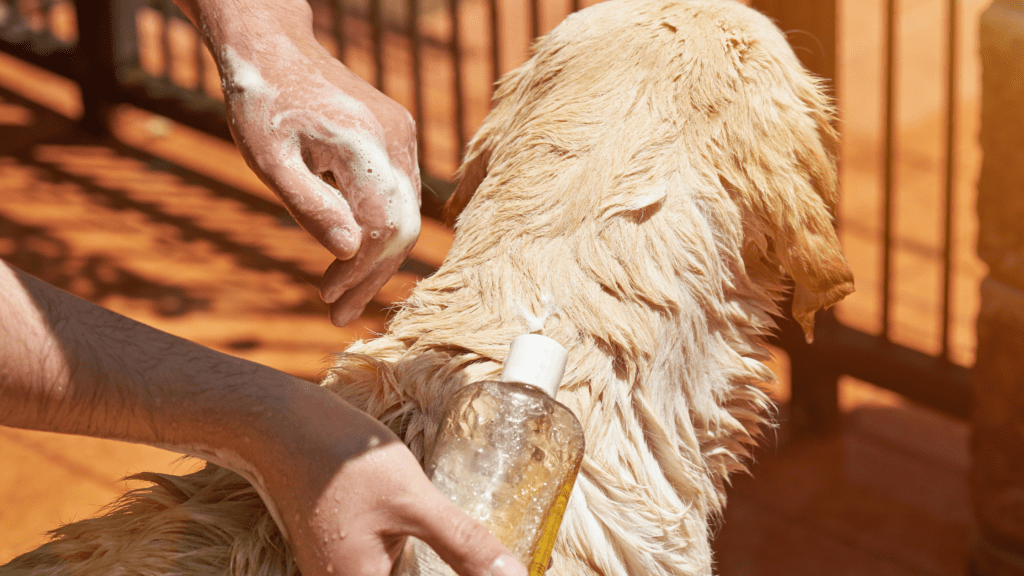
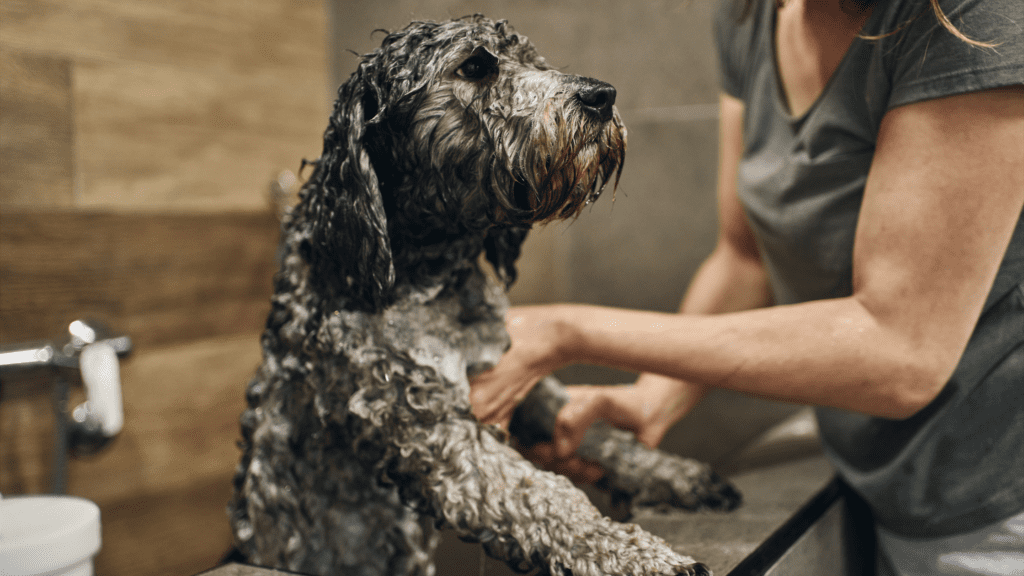
Short-haired dogs typically require baths every 2 to 3 months, or as needed. Using a mild dog shampoo specifically formulated for their skin and coat is essential to prevent drying out their skin. Be mindful not to overdo it with baths, as excessive bathing can strip their coat of natural oils.

3. Nail Care

Checking your dog’s nails regularly is crucial. Overgrown nails can be uncomfortable for your pet and may affect their mobility. Trim their nails as needed, and if you’re unsure about how to do it safely, consider seeking guidance from a professional groomer or veterinarian.

4. Ear Cleaning

Ear hygiene is often overlooked but is an integral part of grooming. Clean your dog’s ears as part of their regular routine to prevent ear infections. Use a veterinarian-recommended ear cleaning solution and a soft cloth to gently clean their ears.

Signs It’s Time for Grooming

In addition to your established grooming routine, it’s crucial to be attentive to signs that indicate it’s time for a grooming session. These signs may include:

  • Excessive shedding: If you notice a sudden increase in shedding or the presence of mats or tangles in your dog’s coat, it’s time for a grooming session.
  • Foul odor: A persistent unpleasant odor can be a sign of a dirty or irritated coat that needs attention.
  • Tangled or matted fur: Mats and tangles can be uncomfortable for your dog and should be addressed promptly.
  • Itching or redness on the skin: Any signs of skin irritation or discomfort should not be ignored and may require specific grooming measures.

Conclusion

In conclusion, grooming your short-haired dog is not merely a matter of aesthetics; it’s an essential component of responsible pet ownership. By understanding the various factors that influence grooming frequency and following a comprehensive grooming routine tailored to your dog’s unique needs, you can ensure that your four-legged companion remains healthy, happy, and comfortable in their short-haired glory.

FAQs (Frequently Asked Questions)

1. How often should I brush my short-haired dog?

To maintain their coat and remove loose hair, it’s advisable to brush your short-haired dog at least once a week.

2. Can I use human shampoo on my short-haired dog?

No, it’s best to use a mild dog shampoo specifically formulated for canine skin and coat to avoid skin issues.

3. What if my short-haired dog doesn’t like baths?

Gradual introduction to baths, positive reinforcement, and making the experience as comfortable as possible can help ease your dog’s bath-time anxiety.

4. How can I prevent ear infections in my short-haired dog?

Regularly cleaning your dog’s ears using a veterinarian-recommended ear cleaning solution and a soft cloth can help prevent ear infections.

5. Is it necessary to trim my short-haired dog’s nails?

Yes, trimming your dog’s nails is essential to prevent discomfort and maintain their mobility.

Dog Nail Care 101: How Often to Clip Dog Nails

Regular nail care is an essential part of your dog’s grooming routine. Understanding how often to clip dog nails and why it’s necessary not only keeps your pup comfortable but also helps maintain their overall health. In this comprehensive guide, we’ll delve into the importance of dog nail trimming, signs that your dog’s nails need attention, and practical tips for how to get it done.

how often to trim dog nails

Why Is Clipping Dog Nails Important?

Dog nails that are too long can cause various issues for your furry friend. Here’s why regular nail trimming is essential:

1. Improves Comfort and Mobility

Long nails can affect your dog’s posture and gait. Over time, this can lead to discomfort, difficulty walking, or even joint problems.

2. Prevents Pain and Injuries

Nails that grow excessively long can curl under and pierce the paw pads, leading to painful injuries. They’re also more likely to snag on surfaces and break, which can cause bleeding or infections.

3. Maintains Healthy Paws

Frequent trimming minimizes the risk of splitting or cracking, ensuring your dog’s paws stay healthy.

How Often to Clip Dog Nails: Key Considerations

The frequency of nail trims depends on your dog’s breed, lifestyle, and activity level. Dogs that regularly walk on hard surfaces may naturally wear down their nails and require less frequent trimming.

Dog TypeSuggested Frequency
Small breeds (indoor dogs)Every 3-4 weeks
Large breeds (active dogs)Every 4-6 weeks
PuppiesEvery 2-3 weeks

Signs It’s Time to Trim Your Dog’s Nails

Not sure if your dog’s nails are too long? Look for these signs:

  • Clicking sound on hard floors: If you hear clicking when your dog walks, it’s a sign their nails are too long.
  • Changes in posture or movement: Your dog may start limping or walking oddly to avoid discomfort.
  • Visible curling or overgrowth: Nails that curve toward the paw or extend beyond the pads need immediate attention.

How Often to Trim Dog Nails and How to Do It

If you’re wondering how often to clip dog nails, here’s a general guideline:

  • Active dogs that wear down their nails naturally: Trim every 4-6 weeks.
  • Less active dogs or indoor pets: Check nails every 3-4 weeks.
  • Puppies: Begin regular trims every 2-3 weeks to familiarize them with the process.

Step-by-Step Guide to Nail Clipping

Follow these steps to trim your dog’s nails safely:

  1. Prepare the Tools
    Use a high-quality dog nail clipper or grinder and have styptic powder ready in case of accidental bleeding.
  2. Choose the Right Time
    Trim nails when your dog is calm and relaxed. Treats or gentle petting can help ease their anxiety.
  3. Inspect the Nails
    Look for the quick—a pinkish area inside the nail that contains nerves and blood vessels. Avoid cutting too close to the quick.
  4. Trim Gradually
    Clip in small sections and stop if you see a white, spongy center. This indicates you’re nearing the quick.
  5. Reward Your Dog
    End each session with praise, playtime, or a treat to make the experience positive.

How Often Should You Trim Dog Nails?

The question how often should you trim dog nails depends on factors like age, breed, and activity level. Here’s a breakdown:

Frequency of Nail TrimmingActivity LevelKey Indicators
Every 3-4 weeksLow (indoor dogs)Clicking sounds, overgrowth
Every 4-6 weeksModerate/HighOccasional check recommended
Every 2-3 weeks (puppies)VariesPrevent quick overgrowth early

How PURRFECT GROOMING Can Help

If you’re unsure how often to clip dog nails or feel nervous about doing it yourself, let the professionals handle it! At PURRFECT GROOMING, our experienced team ensures your dog’s nails are trimmed safely and comfortably. We provide mobile grooming services throughout South Florida, bringing expert care right to your doorstep.

You May Also Like : How To Trim Cat Nails

Conclusion

Regular nail care is essential to keep your dog happy and healthy. By understanding how often to clip dog nails, you can avoid discomfort, injuries, and potential health issues. Whether you choose to trim nails yourself or rely on professional groomers like PURRFECT GROOMING, staying consistent is the key to success.

Ready to pamper your pet? Contact PURRFECT GROOMING today for all your grooming needs!

FAQs

1. How Often Should I Cut My Dog’s Nails?

You should trim your dog’s nails every 3-6 weeks, depending on their activity level and how quickly the nails grow.

2. How Often to Cut Dog Nails for Puppies?

Puppies need their nails trimmed every 2-3 weeks to prevent overgrowth and train them to tolerate the process.

3. What Happens If I Don’t Trim My Dog’s Nails?

Overgrown nails can lead to discomfort, pain, posture problems, and a higher risk of injuries or infections.

4. Can I use a regular human nail clipper for my dog’s nails?

It is not recommended. Dog nail clippers are designed to handle the thickness of a dog’s nails without causing injury.

5. Can overgrown nails lead to more severe health issues for my dog?

Yes, overgrown nails can lead to deformities, lameness, and joint issues if left untreated.

Why Regular Dog Grooming Is Important

Introduction

In the world of pet ownership, dogs hold a special place in our hearts. They are not just pets; they are loyal companions and beloved family members. As responsible dog owners, it is our duty to ensure their well-being, and one aspect that often gets overlooked but is of paramount importance is regular dog grooming. In this article, we will delve into the reasons why regular dog grooming is crucial for your furry friend’s health, happiness, and overall quality of life.

The Physical Benefits

1. Maintaining Healthy Skin

Regular grooming helps in the early detection of skin issues such as rashes, infections, or parasites. It allows for timely treatment, preventing these issues from escalating.

2. Preventing Matting

Long-haired breeds are prone to matting, which can be painful and even lead to skin infections. Grooming helps prevent matting and keeps their fur in good condition.

3. Temperature Regulation

Grooming can help your dog stay comfortable in different weather conditions. Trimming excess fur during summer prevents overheating, while leaving it longer in the winter provides insulation.

4. Better Hygiene

Regular baths and cleaning of ears, eyes, and paws help maintain your dog’s hygiene. It keeps them smelling fresh and free from infections.

The Mental Benefits

5. Reducing Stress

Grooming sessions can be a calming and bonding experience for both you and your dog. It reduces stress and anxiety, making your pet more relaxed.

6. Improved Behavior

Well-groomed dogs are often better behaved. It instills discipline and can reduce the likelihood of aggressive or anxious behavior.

7. Enhanced Comfort

A clean and well-groomed coat is more comfortable for your dog. It prevents discomfort caused by dirt, tangles, or debris in their fur.

The Health Benefits

8. Early Detection of Health Issues

Regular grooming allows you to spot any lumps, bumps, or abnormalities on your dog’s body, which could indicate underlying health problems.

9. Nail and Teeth Health

Neglecting nail and teeth care can lead to painful issues. Grooming includes nail trimming and teeth cleaning, ensuring your dog’s overall health.

10. Reducing Allergies

Grooming removes allergens from your dog’s coat, reducing the risk of allergic reactions in family members with allergies.

The Aesthetic Benefits

11. A Well-Presented Pet

Regular grooming ensures that your dog looks their best. It enhances their appearance and makes them more appealing to you and others.

12. Less Shedding

Regular brushing and grooming can significantly reduce shedding, keeping your home cleaner and your clothes fur-free.

Conclusion

In conclusion, regular dog grooming is not just a luxury but a necessity for responsible dog owners. It provides a multitude of benefits, from maintaining physical health to enhancing mental well-being. By dedicating time to grooming your furry friend, you ensure a happier, healthier, and more comfortable life for them.

FAQs (Frequently Asked Questions)

1. How often should I groom my dog?

Grooming frequency depends on your dog’s breed and coat type. Long-haired breeds may require grooming every 4-6 weeks, while short-haired breeds can go longer between sessions.

2. Can I groom my dog at home?

Yes, many dog owners choose to groom their pets at home. However, professional groomers have the expertise and equipment to ensure a thorough job.

3. What tools do I need for dog grooming?

Basic grooming tools include a brush, comb, nail clippers, and shampoo. Specific tools may be needed based on your dog’s breed and coat.

4. Is grooming essential for all dog breeds?

While grooming is essential for all dogs, the frequency and specific grooming needs vary from breed to breed. Research your dog’s requirements to ensure proper care.

5. Can I groom my dog when they have mats in their fur?

It’s best to consult a professional groomer if your dog has mats in their fur. Attempting to remove them at home can be painful for your pet and may lead to injury.

Mobile Pet Grooming: Stress-Free & Convenient Grooming at Your Doorstep

Mobile pet grooming brings professional grooming services right to your doorstep, offering a stress-free and highly personalized experience for both pets and owners. It eliminates the need for transportation, reduces exposure to other animals, and ensures that pets receive undivided attention from a professional groomer. With busy schedules and increasing awareness of pet wellness, mobile pet grooming is becoming the preferred choice for pet parents across the country.

Did you know that over 67% of U.S. households own a pet? (Source: American Pet Products Association). With pet ownership on the rise, the demand for mobile pet grooming, pet grooming mobile, and pet mobile grooming has skyrocketed. Pet parents today seek convenience and personalized care for their furry friends without the hassle of traditional salon visits.

mobile pet grooming

What is Mobile Pet Grooming?

How Does It Work?

Mobile pet grooming is a convenient service where a professional groomer arrives at your location in a fully equipped grooming van. These vans come with everything a traditional grooming salon offers, including bathing stations, drying areas, trimming tools, and high-quality pet-safe products. The groomer provides one-on-one attention to your pet, ensuring a calm and controlled environment.

The Growing Popularity of Mobile Grooming

As pet owners become more conscious of their pet’s health and comfort, mobile grooming services have gained immense popularity. According to market research, the pet grooming industry is expected to grow by 5.5% annually, with mobile services leading the trend. More owners now prefer a personalized approach that caters to their pet’s specific needs without the added stress of salon visits.

Benefits of Mobile Pet Grooming

BenefitWhy It Matters
ConvenienceNo need to drive; service comes to your home
Less StressPets remain calm in a familiar environment
Hygienic & SafeNo exposure to other animals
One-on-One AttentionPersonalized grooming care

Convenience for Pet Owners

One of the biggest advantages of mobile pet grooming is the convenience it offers. Traditional grooming requires pet owners to schedule an appointment, drive to the salon, and wait for their pet to be serviced. Mobile pet grooming eliminates this hassle by bringing the grooming station right to your doorstep. This is particularly beneficial for elderly pet owners, individuals with mobility issues, or those with tight work schedules.

Less Stress for Pets

Many pets experience anxiety in unfamiliar environments, especially when surrounded by other animals in a grooming salon. The noise, unfamiliar scents, and waiting time can be overwhelming. Mobile pet grooming provides a quiet, comfortable, and personalized experience, reducing stress and making the process smoother for pets that may be nervous or easily frightened.

Hygiene and Cleanliness

Since mobile grooming services operate on a one-pet-at-a-time basis, hygiene is significantly better than traditional salons. Grooming vans are thoroughly sanitized between each session, eliminating the risk of infections, fleas, and ticks spreading from other animals. This controlled environment ensures that your pet receives the cleanest and safest care possible.

Mobile Pet Grooming Services Offered

ServiceDetails
Bathing & Coat CleaningUses hypoallergenic shampoos for a healthy coat
Nail Trimming & Ear CleaningPrevents infections and maintains hygiene
Teeth Cleaning & Hygiene MaintenanceReduces bad breath and dental issues
Flea & Tick TreatmentKeeps your pet free from common parasites

Bathing and Coat Cleaning

A proper bath is essential for maintaining a pet’s coat and skin health. Mobile pet grooming services use hypoallergenic shampoos and conditioners tailored to your pet’s skin type. Regular bathing not only keeps your pet smelling fresh but also removes dirt, allergens, and loose fur that could lead to matting or skin irritation.

pet grooming mobile

Nail Trimming and Ear Cleaning

Overgrown nails can cause discomfort and lead to posture problems in pets. Regular nail trimming prevents injuries and ensures healthy paw structure. Ear cleaning is equally important, as wax build-up can lead to infections. Groomers gently clean and check the ears for any signs of infection or mites, ensuring overall ear health.

Teeth Cleaning and Hygiene Maintenance

Oral hygiene is often overlooked, but it plays a crucial role in a pet’s overall health. Mobile pet groomers offer teeth cleaning services to remove plaque and tartar buildup, reducing the risk of gum disease and bad breath. Proper oral care contributes to your pet’s long-term well-being.

How to Choose the Best Mobile Pet Grooming Service

Checking Credentials and Reviews

Before selecting a mobile pet groomer, check their certifications, customer reviews, and experience. Look for testimonials from other pet owners to ensure that the groomer is skilled and trustworthy. Licensed professionals are trained to handle pets of different breeds and temperaments safely.

Comparing Pricing and Packages

Different groomers offer various service packages at different price points. While some may offer basic grooming services, others might include specialized treatments like spa baths or medicated shampoos. Comparing pricing and package inclusions will help you get the best value for your money.

Understanding Pet Grooming Safety Measures

A professional groomer prioritizes pet safety. Ask about their emergency procedures, handling techniques, and equipment sanitization protocols to ensure your pet’s well-being.

Conclusion

Mobile pet grooming provide an efficient and stress-free way to keep your pet well-groomed. With convenience, personalized attention, and hygiene benefits, it’s an excellent choice for modern pet owners. Whether you have a busy schedule or a pet that dislikes traditional salons, mobile grooming ensures that your furry friend stays healthy and happy.

Pro Tip:

Always book your mobile pet grooming appointment in advance to secure the best time slots, especially during peak seasons! 🚐🐶

FAQs

1. How often should I use mobile pet grooming services?

Most pets benefit from grooming every 4-6 weeks, depending on their breed and coat type.

2. Do mobile pet groomers use special products?

Yes, most use hypoallergenic and pet-safe shampoos tailored to different skin and coat types.

3. Is mobile pet grooming safe for older pets?

Absolutely! Mobile grooming is less stressful for senior pets compared to traditional salons.

4. How long does a grooming session take?

Typically, 1-2 hours, depending on the pet’s size and coat condition.

5. Can I stay with my pet during the session?

Most groomers prefer working alone for efficiency, but you can discuss options with them.