Are Cats Lactose Intolerant? Safe Dairy Tips & Vet Advice
Did you know that around 65% of adult cats are lactose intolerant according to the Cornell Feline Health Center (source)? Yet, the classic image of a cat happily lapping milk from a saucer still influences many cat owners today. This simple misconception often leads to digestive issues, dehydration, and even long-term health problems for our feline friends.
Understanding are cats lactose intolerant is about more than just avoiding stomach upset — it’s about promoting a diet that supports a healthy gut, a shiny coat, and overall wellness. In this detailed guide, we’ll explore the science, common myths, safe alternatives, nutritional advice, and practical tips every cat owner should know.
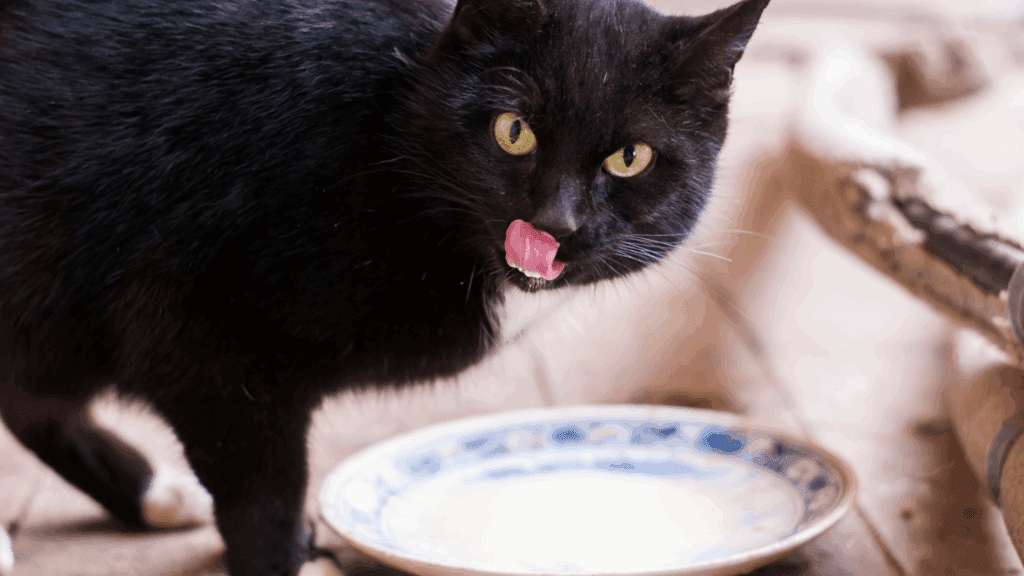
Understanding Lactose Intolerance in Cats
How lactose digestion works
Milk contains lactose, a complex sugar molecule. To digest lactose, the body needs an enzyme called lactase. In kittens, lactase is produced abundantly to help them digest their mother’s milk, a crucial source of nutrition during their early life.
As the kitten grows, lactase production decreases because milk is no longer needed in their diet. Without enough lactase, lactose remains undigested in the intestines, where bacteria ferment it. This process releases gas and causes the symptoms commonly associated with lactose intolerance.
Why many cats lack the lactase enzyme
From an evolutionary standpoint, cats are obligate carnivores, designed to thrive on protein-rich prey like rodents and birds — not dairy. After weaning, they naturally stop producing significant amounts of lactase, which is why most adult cats react negatively to cow’s milk.
This is also why even cats who love the taste of milk often experience discomfort shortly after drinking it.
Signs Your Cat Might Be Lactose Intolerant
Recognizing the signs of lactose intolerance early helps prevent unnecessary suffering.
Digestive symptoms to watch for
Most cats will show symptoms within 8–12 hours of drinking milk, such as:
- Loose or watery stools
- Diarrhea that may last a day or more
- Abdominal bloating or excessive gas
- Vomiting or regurgitation
- Reduced appetite or reluctance to eat
Behavioral changes after milk consumption
Cats often signal their discomfort through behavior. Look for signs such as:
- Hiding in quiet spaces
- Restlessness or pacing
- Excessive grooming to self-soothe
- Increased meowing or other vocal signs of distress
Common Myths About Cats and Milk
The cultural image of milk-loving cats
Pop culture — from “Tom and Jerry” cartoons to illustrated storybooks — has long perpetuated the myth that cats need or love milk. While some cats enjoy the taste, that doesn’t mean it’s good for them.
Why this myth is harmful
Many well-meaning owners feed milk to their cats as a sign of affection. Unfortunately, this often leads to repeated episodes of digestive upset. Over time, frequent stomach issues can affect a cat’s hydration levels, weight, and even immune system health.
Safe Dairy Options for Cats
Lactose-free milk alternatives
Several brands now produce lactose-free “cat milk” that’s safe for occasional treats. These products often include additional nutrients like taurine and Vitamin D to benefit your cat’s health.
Still, these should be occasional treats, not dietary staples, since excessive dairy can add unnecessary calories.
Goat’s milk and other safe options
Goat’s milk contains less lactose than cow’s milk, making it slightly easier for some cats to digest. However, moderation is key, and you should always monitor your cat’s reaction carefully when introducing any dairy.
The Risks of Giving Regular Milk
Short-term health problems
Even a small amount of regular milk can lead to:
- Temporary diarrhea, sometimes severe enough to cause dehydration
- Stomach cramps or abdominal pain
- Increased flatulence or bloating
Long-term health complications
Repeated exposure to lactose can create chronic digestive issues. Cats may develop sensitivities that make their stomachs even more reactive over time. Additionally, unnecessary calories from milk can contribute to weight gain and obesity, particularly in indoor or less active cats.
Nutritional Needs of Cats
Why cats don’t need milk after weaning
Cats are strict carnivores, meaning their diet should consist primarily of meat. Milk is not part of their natural diet in adulthood, and offering it regularly doesn’t contribute meaningfully to their nutritional needs.
Essential nutrients your cat really needs
Instead of offering milk, focus on a balanced, species-appropriate diet rich in:
- High-quality animal protein from chicken, fish, or beef
- Taurine, an essential amino acid for heart and eye health
- Omega-3 and Omega-6 fatty acids for healthy skin and a glossy coat
- Vitamins and minerals to support the immune system and bone health
Healthier Treat Alternatives
Cat-safe treats instead of milk
Consider these safe, healthier alternatives:
- Freeze-dried meat treats
- Small bites of plain, cooked chicken or turkey
- Store-bought treats with simple, natural ingredients
Homemade treat ideas
DIY options are budget-friendly and healthier. Try:
- Tuna popsicles: Mix tuna with water and freeze in ice cube trays.
- Chicken broth cubes: Freeze low-sodium broth for a hydrating, savory snack.
- Homemade cat cookies: Combine tuna, oat flour, and egg, bake, and store for up to a week.
You May Also Like : Can Cats Eat Raw Eggs?
Scientific Insights and Statistics
| Stat | Source |
| 65% of adult cats lack lactase enzyme | Cornell Feline Health Center |
| 70% of cats showed digestive upset after drinking cow’s milk | American Veterinary Medical Association |
These findings highlight why regular milk should never be a staple in your cat’s diet, regardless of how much they seem to enjoy it.
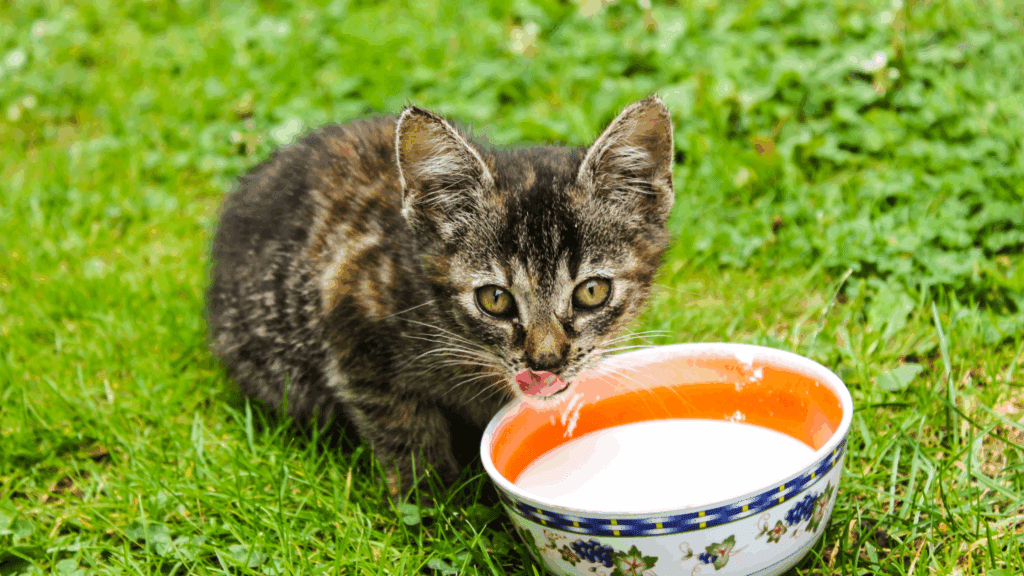
How to Help a Cat After Drinking Milk
First-aid tips for upset stomachs
If your cat accidentally drinks milk:
- Offer plenty of fresh water to prevent dehydration
- Avoid feeding them for 6–8 hours to allow their stomach to settle
- Monitor their litter box for signs of diarrhea or other issues
When to consult a vet
Seek professional help if:
- Diarrhea lasts longer than 24 hours
- Your cat is vomiting repeatedly
- You notice signs of dehydration, such as lethargy or dry gums
- There’s blood in their stool
Role of Age in Lactose Intolerance
Kittens vs. adult cats
Kittens can digest their mother’s milk because of their high lactase production. However, this doesn’t mean cow’s milk is safe for them. Commercial kitten formula is the only recommended alternative if the mother is unavailable.
Changes in enzyme levels over time
By around 12 weeks of age, lactase production decreases sharply. From this point onward, most cats are no longer able to process lactose efficiently, making regular milk a bad idea.
Professional Advice from Vets
Recommended diet plans
Vets generally advise:
- High-protein, low-carb food tailored to your cat’s age and health needs
- Avoiding table scraps and dairy products
- Supplementing with vet-approved treats to ensure nutritional balance
Questions to ask during vet visits
- “Is lactose-free milk okay as an occasional treat?”
- “What treat options are best for my cat’s age and weight?”
- “What steps should I take if my cat has a dairy reaction?”
Preventive Measures for Cat Owners
Reading product labels
Always check labels for hidden dairy ingredients in treats, wet food, or supplements.
Educating family and kids
Many cases of accidental exposure happen when children offer cats milk or ice cream out of love. Educate everyone in the home about the risks of dairy for cats to prevent future issues.
Summary Table of Dos and Don’ts
| Do | Don’t |
| Offer lactose-free milk occasionally | Give regular cow’s milk |
| Watch for signs of intolerance | Ignore digestive symptoms |
| Provide protein-rich treats | Replace balanced meals with milk |
| Consult a vet for guidance | Assume cats can digest all dairy |
Conclusion
So, are cats lactose intolerant? For the vast majority, the answer is yes. While milk may feel like a loving gesture, it often causes more harm than good. By choosing lactose-free alternatives or healthier treats, and focusing on a balanced, protein-rich diet, you can keep your cat healthy, happy, and thriving for years to come.
FAQs
1. Can kittens drink milk safely?
Yes, but only their mother’s milk or a vet-recommended kitten formula. Cow’s milk can still upset their stomachs and doesn’t meet their nutritional needs.
2. Is lactose-free milk 100% safe?
Yes, lactose-free cat milk is generally safe, but it should still be an occasional treat, not a daily staple.
3. What happens if my cat drinks milk accidentally?
Most cats will have mild symptoms. Offer fresh water, monitor closely, and consult a vet if symptoms persist or worsen.
4. Are there other foods cats can’t digest?
Yes — foods like onions, garlic, grapes, chocolate, and artificial sweeteners like xylitol are toxic and must be avoided.
5. Why do some cats seem fine with milk?
Some cats retain a small amount of lactase production into adulthood, but this doesn’t mean milk is healthy or beneficial.
