When Do Dogs Stop Growing? The Surprising Truth Revealed
When do dogs stop growing? It’s one of the most common questions new pet parents ask. And honestly, it makes sense. Watching a tiny puppy transform into a full-grown dog feels almost magical. But growth isn’t random-it follows a biological blueprint.
According to the American Kennel Club, most small breed dogs reach adult size by 9–12 months, while giant breeds may continue growing up to 18–24 months. That’s a big difference, right?
Understanding these growth stages helps you provide the right nutrition, exercise, and medical care. Think of it like building a house-you need a strong foundation before adding the roof.
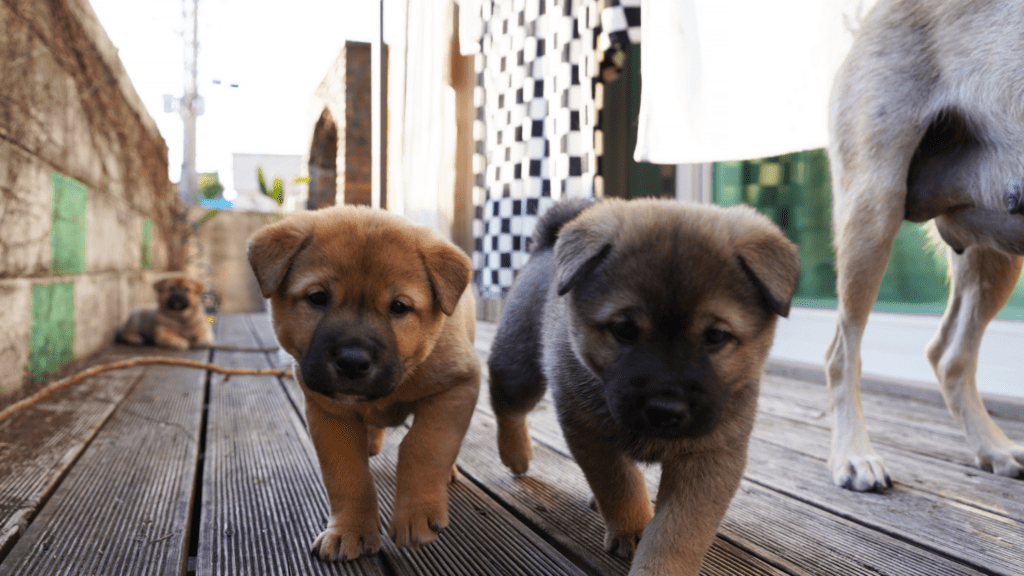
Understanding Puppy Growth Stages
Neonatal Stage (0–2 Weeks)
Newborn puppies are tiny, blind, and completely dependent on their mother. Their weight typically doubles within the first week. Growth is rapid but delicate.
Transitional Stage (2–4 Weeks)
Eyes open. Ears respond. Puppies begin wobbling around. Development speeds up like flipping a light switch.
Socialization Stage (4–12 Weeks)
This stage is crucial. Puppies learn social skills, fear responses, and environmental awareness. Their bodies grow fast, but their brains grow even faster.
Juvenile Stage (3–6 Months)
Teething begins. Energy skyrockets. Growth continues steadily, especially in medium and large breeds.
Adolescence (6–18 Months)
Hormones kick in. Growth slows but doesn’t stop-especially in larger dogs.
When Do Dogs Stop Growing? A Detailed Breakdown by Size
Small Breed Dogs
Small dogs like Chihuahuas and Pomeranians typically stop growing between 8–12 months. Their growth is fast and compact.
Medium Breed Dogs
Breeds such as Beagles or Cocker Spaniels reach full size around 12–15 months.
Large Breed Dogs
Labradors and German Shepherds may continue growing until 18 months.
Giant Breed Dogs
Great Danes and Mastiffs can grow up to 24 months. Their growth is slower but more prolonged.
Dog Growth Chart by Breed Size
| Breed Size | Growth Completion Age | Average Weight Range |
| Small | 8–12 months | Under 20 lbs |
| Medium | 12–15 months | 20–50 lbs |
| Large | 15–18 months | 50–100 lbs |
| Giant | 18–24 months | 100+ lbs |
Factors That Affect a Dog’s Growth
Genetics and Breed
Genetics are the blueprint. If both parents are large, chances are the puppy will be too.
Nutrition and Feeding Habits
Balanced diets matter. According to a study published by the National Research Council, proper protein and mineral balance significantly impacts skeletal growth.
Exercise and Lifestyle
Too little exercise can slow muscle development. Too much, especially in large breeds, may damage growth plates.
Health Conditions
Parasites, hormonal disorders, and chronic illness can affect growth rate.
Male vs Female Dogs – Do They Grow Differently?
Males are generally larger than females in most breeds. However, growth timing is similar.
| Gender | Growth Duration | Final Size |
| Male | Slightly longer | Larger |
| Female | Slightly shorter | Smaller |
Signs Your Dog Has Stopped Growing
- Stable weight for 3–6 months
- No noticeable height increase
- Growth plates closed (confirmed by X-ray)
Behaviorally, maturity may lag behind physical growth.
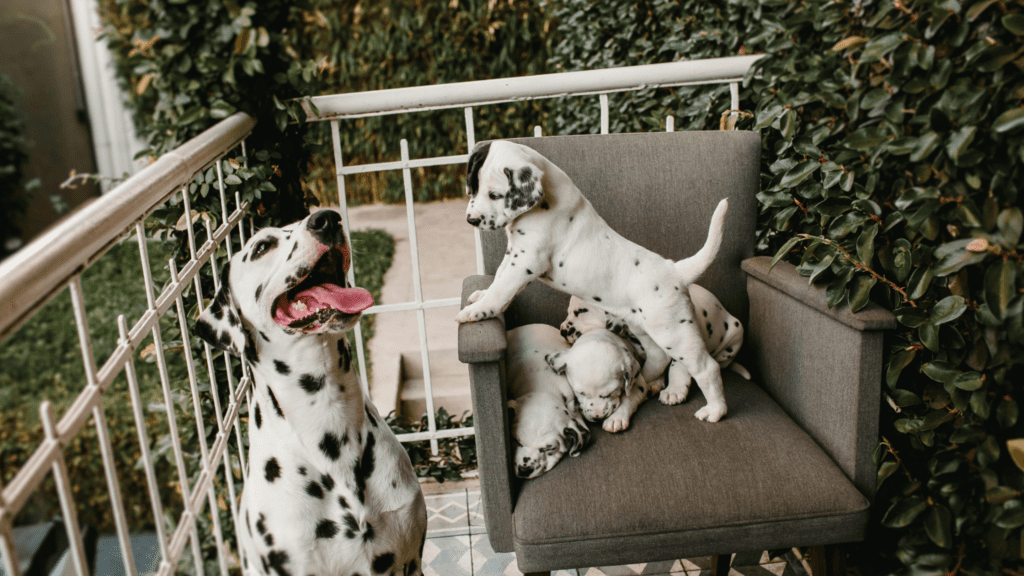
Growth Plates and Why They Matter
Growth plates are soft areas of cartilage at the ends of bones. Once they close, height growth stops.
In large breeds, growth plates may close between 12–18 months. In giant breeds, closure can occur closer to 24 months.
The Role of Nutrition in Puppy Development
Protein Requirements
Puppies require about 22–32% protein depending on breed size.
Calcium and Phosphorus Balance
Improper calcium can cause skeletal issues, especially in large breeds.
Feeding Schedule Tips
- Small breeds: 3–4 meals daily
- Large breeds: Controlled portions to avoid rapid growth
Common Myths About Dog Growth
“Big Paws Mean a Huge Dog”
Not always. Paw size can indicate potential growth but isn’t a guarantee.
“All Dogs Stop Growing at One Year”
False. Breed size determines timeline.
How to Estimate Your Puppy’s Adult Size
- Check breed standards
- Double weight at 16 weeks (for medium breeds)
- Use veterinary growth charts
Neutering and Spaying – Does It Affect Growth?
Hormones influence growth plate closure. Early spaying/neutering may slightly extend growth period in some breeds.
Veterinarians often recommend timing based on breed and size.
Growth Milestone Table
| Age | Growth Focus | What to Expect |
| 0–2 weeks | Weight gain | Rapid doubling |
| 2–3 months | Social growth | Rapid height increase |
| 6 months | Muscle development | Slower height growth |
| 12 months | Near adult size | Growth slowing |
| 18–24 months | Full maturity | Growth completion (large breeds) |
Conclusion
So, when do dogs stop growing? The answer depends largely on breed size, genetics, nutrition, and overall health. Small breeds mature quickly, while giant breeds take their time. Understanding these growth timelines allows you to support your dog’s development properly.
Growth isn’t just about size-it’s about building strength, structure, and lifelong health. Stay informed, work closely with your veterinarian, and enjoy every stage of your dog’s journey.
FAQs
1. At what age do most dogs stop growing?
Most small dogs stop around 12 months, while giant breeds may grow until 24 months.
2. Can you predict how big a puppy will get?
Yes, using breed standards and weight estimates.
3. Do mixed-breed dogs grow differently?
Growth depends on genetic background.
4. Does diet impact how long dogs grow?
Absolutely. Balanced nutrition is crucial.
5. Can exercise stunt growth?
Excessive high-impact exercise may damage growth plates.
