Can Dogs Get Pink Eye? Vet-Backed Facts You Shouldn’t Ignore
If you’ve ever noticed your dog squinting, pawing at their eye, or dealing with redness that just doesn’t look right, you’ve probably wondered: can dogs get pink eye? The short answer is yes-dogs can absolutely get pink eye, and it’s more common than many pet owners realize.
According to data shared by veterinary organizations, eye-related issues account for nearly 8–10% of all canine vet visits each year, with conjunctivitis being one of the top reasons. A report from the American Kennel Club (AKC) notes that pink eye is especially common in dogs with allergies or facial structures that expose the eyes more easily, like Bulldogs and Pugs.
Pink eye might sound minor, but ignoring it can lead to discomfort, infections, or even vision problems. Let’s break everything down in plain English so you know exactly what’s going on-and what to do next.
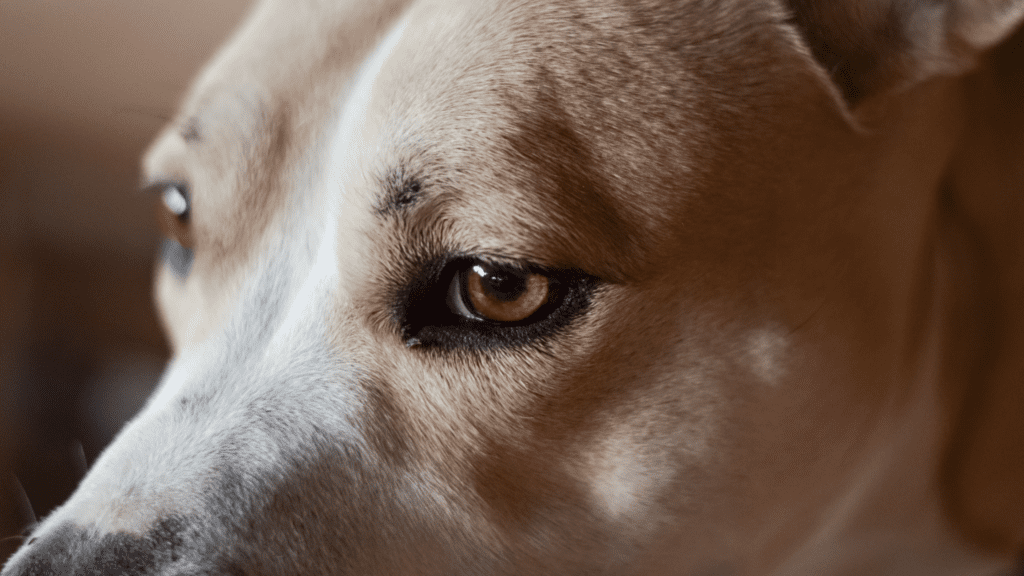
Understanding Pink Eye in Dogs
What Is Pink Eye (Conjunctivitis)?
Pink eye, medically known as conjunctivitis, is an inflammation of the conjunctiva-the thin, transparent tissue covering the white part of the eye and lining the eyelids. When this tissue becomes irritated or infected, it turns red or pink, which is where the condition gets its name.
In dogs, conjunctivitis isn’t a disease by itself. Think of it more like a warning light on your car’s dashboard-it tells you something else might be wrong and needs attention.
Is Pink Eye Common in Dogs?
Yes, very much so. Dogs explore the world nose-first and face-first, which means their eyes are constantly exposed to dust, pollen, bacteria, and debris. Add allergies, grooming products, or minor injuries to the mix, and you’ve got the perfect recipe for eye irritation.
A study cited by veterinary ophthalmologists shows that over 20% of dogs will experience some form of eye inflammation during their lifetime, making this a condition every dog owner should understand.
Can Dogs Get Pink Eye From Humans?
This is a super common question, and the answer is reassuring. In most cases, dogs do not get pink eye directly from humans. The bacteria and viruses that cause conjunctivitis in people are usually different from those affecting dogs.
However, there’s a small caveat. If your dog already has eye irritation, poor hygiene-like touching your infected eye and then handling your dog’s face-could introduce bacteria. While it’s rare, it’s still smart to wash your hands and avoid close face-to-face contact during active infections.
Main Causes of Pink Eye in Dogs
Pink eye in dogs can stem from several sources, and identifying the cause is key to effective treatment.
Bacterial Infections
Bacterial conjunctivitis is one of the most common forms. It often leads to thick, yellow or green discharge and may affect one or both eyes. These infections usually need prescription antibiotic eye drops or ointments.
Viral Infections
Viruses such as canine distemper can cause conjunctivitis as part of a broader illness. Viral pink eye often comes with other symptoms like fever, coughing, or lethargy.
Allergies
Just like humans, dogs can be allergic to pollen, mold, dust mites, or even food ingredients. Allergic conjunctivitis usually causes redness, watery discharge, and itchiness rather than thick pus.
Foreign Objects and Irritants
Grass seeds, sand, smoke, shampoo, or even strong cleaning sprays can irritate a dog’s eyes. This type of pink eye often appears suddenly and may affect only one eye.
Underlying Health Conditions
Dry eye (keratoconjunctivitis sicca), eyelid abnormalities, or blocked tear ducts can all lead to chronic conjunctivitis if not properly managed.

Signs and Symptoms to Watch For
Early Symptoms
Catching pink eye early can save your dog a lot of discomfort. Watch for:
- Red or pink coloration in the whites of the eyes
- Excessive blinking or squinting
- Watery discharge
- Mild swelling around the eye
Severe or Chronic Symptoms
More advanced cases may show:
- Thick yellow or green discharge
- Crusting around the eyes
- Visible pain or light sensitivity
- Cloudiness or changes in eye appearance
If symptoms persist beyond 24-48 hours, it’s time to call the vet.
How Pink Eye Is Diagnosed in Dogs
Veterinarians don’t just guess. Diagnosis usually involves:
- A physical eye exam
- Fluorescein staining to rule out corneal ulcers
- Tear production tests
- Swabs or cultures if infection is suspected
These steps help ensure the treatment matches the underlying cause, not just the symptoms.
Treatment Options for Pink Eye in Dogs
Veterinary Treatments
Treatment depends on the cause but may include:
- Antibiotic eye drops or ointments
- Anti-inflammatory medications
- AntihisAmerican Kennel Clubntity[“organization”,”American Kennel Club”,”us dog registry organization”]**, prompt treatment usually leads to full recovery within a week for uncomplicated cases.
Home Care and Supportive Measures
While home remedies can’t replace vet care, you can:
- Gently clean discharge with a warm, damp cloth
- Prevent rubbing with an Elizabethan collar
- Keep your dog’s environment clean and dust-free
Avoid using human eye drops unless your vet approves—they can make things worse.
How Long Does Pink Eye Last in Dogs?
Most mild cases clear up in 5–10 days with proper treatment. Allergic conjunctivitis may last longer but improves with allergen control. Chronic cases linked to underlying conditions may require long-term management.
Is Pink Eye Contagious Among Dogs?
Some forms, especially bacterial or viral conjunctivitis, can spread between dogs through close contact. Shared toys, bedding, or grooming tools can be culprits. If you have multiple pets, isolating the affected dog temporarily is a smart move.
Can Pink Eye in Dogs Heal on Its Own?
Mild irritation might resolve on its own, but true conjunctivitis often doesn’t. Waiting it out can lead to complications, including corneal damage. When in doubt, always consult a vet—it’s better to be safe than sorry.
Prevention Tips for Dog Eye Health
Prevention isn’t complicated, but it does require consistency:
- Keep your dog’s face clean
- Trim hair around the eyes
- Avoid harsh chemicals near pets
- Schedule regular vet checkups
The Centers for Disease Control and Prevention (CDC) highlights that good hygiene reduces the risk of eye infections in both humans and animals.
When to See a Veterinarian
Seek veterinary care immediately if:
- Symptoms worsen or don’t improve in 48 hours
- Your dog shows signs of pain
- There’s thick discharge or vision changes
Early intervention can prevent long-term issues and keep your dog comfortable.
Conclusion
So, can dogs get pink eye? Without a doubt, yes. While it’s common and often treatable, it’s not something to ignore. Your dog relies on you to notice the signs, act quickly, and get proper care. With timely treatment and a little prevention, pink eye doesn’t have to be a big deal-it’s just a small bump on the road of responsible pet parenting.
FAQs
1. Can dogs get pink eye suddenly?
Yes, especially from irritants, allergies, or foreign objects.
2. Can dogs get pink eye from other dogs?
Some forms are contagious, particularly bacterial or viral types.
3. Can dogs get pink eye from dirty water?
Yes, bacteria in stagnant or dirty water can cause eye infections.
4. Is pink eye painful for dogs?
It can be uncomfortable or painful, depending on severity.
5. Can puppies get pink eye?
Absolutely. Puppies are even more prone due to developing immune systems.
