Why Do Dogs Eat Grass? Powerful Reasons Explained by Experts
If you’ve ever walked your dog and watched them suddenly stop to munch on grass like a tiny cow, you’re not alone. Many pet parents ask the same puzzled question: why do dogs eat grass? It looks odd, maybe even concerning, but this behavior is surprisingly common and, in most cases, completely normal.
According to a study published in Applied Animal Behaviour Science, nearly 79% of dogs have been observed eating grass at some point in their lives, and most showed no signs of illness before or after doing so. That alone tells us this isn’t just a strange quirk—it’s a widespread canine habit.
Let’s break it all down in plain English and uncover what’s really going on behind those green snacks.
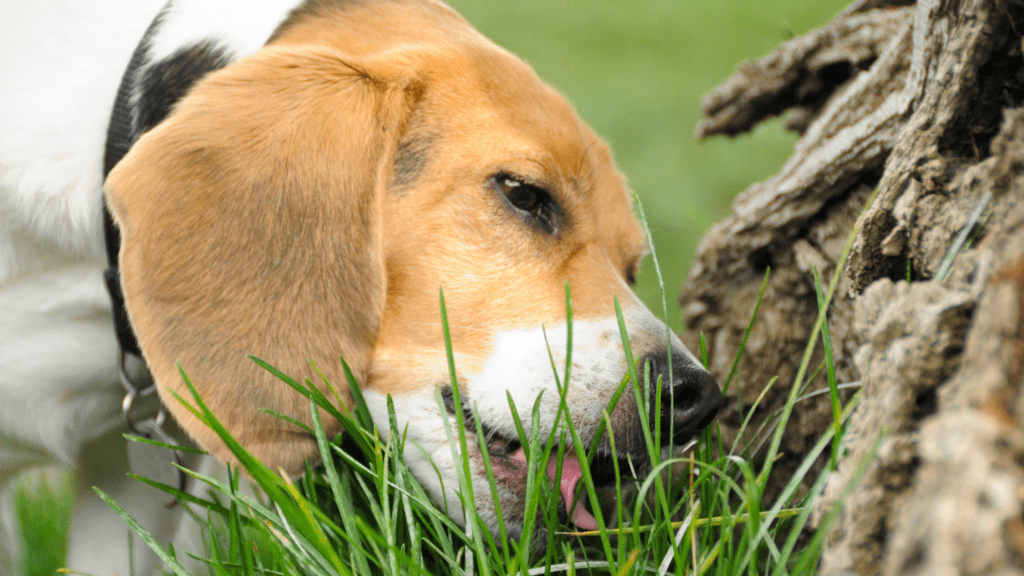
Is It Normal for Dogs to Eat Grass?
Yes, absolutely. Grass eating is considered a normal behavior for dogs of all breeds and ages. Wolves and wild canines also consume plant material, so this habit didn’t just pop up out of nowhere. It’s woven into their biology.
What surprises many dog owners is that grass eating isn’t always linked to sickness. In fact, most dogs that eat grass don’t vomit afterward and act perfectly fine.
How Common Is This Behavior?
Another survey conducted by the University of California, Davis found that less than 25% of dogs vomit after eating grass, and only about 10% show signs of illness beforehand. This strongly suggests that grass eating is often intentional, not a desperate attempt to soothe an upset stomach.
Why Do Dogs Eat Grass? Understanding the Instinct
Evolutionary Roots of Grass Eating
To understand why do dogs eat grass, we need to look back—way back. Dogs evolved from wild ancestors who weren’t picky eaters. Their diets included prey animals, bones, fur, and yes, plant matter found in the stomachs of herbivores.
Eating grass today may simply be a leftover instinct from those early survival days, like a dusty old blueprint still tucked inside their DNA.
Natural Canine Foraging Behavior
Dogs are natural foragers. Sniffing, tasting, and exploring the environment with their mouths is how they learn about the world. Grass is everywhere, easy to access, and offers new smells and textures—basically a sensory playground.
Nutritional Reasons Dogs Eat Grass
Fiber Deficiency in Dog Diets
Sometimes, dogs eat grass because their diet is missing something—most commonly fiber. Fiber helps regulate digestion, supports gut health, and keeps things moving smoothly.
If a dog isn’t getting enough fiber from their regular food, they might instinctively look for it elsewhere, and grass becomes the nearest salad bar.
Role of Digestive Health
Fiber can aid digestion and improve stool consistency. While grass isn’t the best fiber source, dogs don’t exactly read nutrition labels—they just follow instinct.
Digestive Relief and Upset Stomach
Do Dogs Eat Grass to Vomit?
This is one of the most popular theories. Some people believe dogs eat grass to make themselves throw up when their stomach feels off.
There is some truth here—but it’s not the whole story.
What Science Says About This Theory
Research shows that most dogs do not vomit after eating grass, which challenges the idea that it’s a deliberate remedy. However, for a small percentage of dogs, grass may irritate the stomach lining just enough to trigger vomiting and bring relief.
So yes, sometimes it helps—but not always, and not for most dogs.
Behavioral and Psychological Causes
Boredom and Curiosity
Dogs are like kids stuck indoors on a rainy day—they get bored fast. If walks are their main source of stimulation, grass eating can become a form of entertainment.
Chewing grass gives them something to do, especially if they’re not getting enough mental or physical exercise.
Anxiety and Stress-Related Habits
Stress can lead to repetitive behaviors, and grass eating can be one of them. Dogs dealing with separation anxiety, changes in routine, or new environments may turn to grass chewing as a coping mechanism.

Taste, Texture, and Smell Attraction
Why Fresh Grass Is Appealing
Believe it or not, dogs may actually like the taste of grass—especially fresh, cool, spring grass. It’s crisp, juicy, and has a clean smell that’s very different from processed dog food.
Seasonal Grass Preferences
Many dogs eat more grass in spring and early summer when it’s lush and tender. Dry or yellow grass? Not so appealing.
Medical Reasons Behind Grass Eating
Parasites and Intestinal Issues
In rare cases, excessive grass eating can signal intestinal parasites or digestive disorders. If grass eating is paired with weight loss, diarrhea, or lethargy, it’s time to pay closer attention.
Underlying Health Conditions
Conditions like acid reflux or inflammatory bowel disease may cause dogs to seek relief through grass eating. This is where professional veterinary advice becomes essential.
Is Eating Grass Dangerous for Dogs?
Pesticides and Toxic Chemicals
The biggest danger isn’t the grass itself—it’s what’s on it. Lawns treated with pesticides, herbicides, or fertilizers can be toxic.
According to the ASPCA, chemical lawn treatments are a common cause of pet poisoning. Always supervise outdoor grazing.
Harmful Plants Disguised as Grass
Some plants look like grass but aren’t safe. Foxtails, for example, can lodge in a dog’s throat, nose, or digestive tract and cause serious problems.
When Should You Worry About Grass Eating?
Warning Signs to Watch For
You should be concerned if grass eating is:
- Excessive or obsessive
- Accompanied by vomiting or diarrhea
- Paired with loss of appetite or weight loss
When to Visit the Vet
If grass eating suddenly increases or comes with other symptoms, schedule a vet visit. It’s always better to rule out medical issues early.
How to Stop Dogs from Eating Grass Safely
Diet Improvements
Switching to a high-quality, fiber-rich dog food can reduce the urge to eat grass. Adding vet-approved vegetables like pumpkin or green beans may also help.
Behavioral Training Tips
- Increase exercise and playtime
- Provide chew toys
- Use positive reinforcement during walks
A tired dog is far less likely to snack on grass.
What Veterinarians Say About Dogs Eating Grass
Most veterinarians agree that occasional grass eating is normal and harmless. The key is moderation and observation. As long as your dog is healthy, happy, and symptom-free, there’s usually no cause for alarm.
Conclusion: Should You Be Concerned?
So, why do dogs eat grass? The answer isn’t one-size-fits-all. It can be instinct, nutrition, curiosity, or simply because it tastes good. In most cases, it’s harmless and perfectly normal.
The real takeaway is this: observe your dog, know their habits, and trust your gut. When in doubt, your vet is your best ally. Grass eating may look strange, but more often than not, it’s just another charming quirk that makes dogs… well, dogs.
FAQs
1. Is grass eating a sign of illness?
Not usually. Most healthy dogs eat grass without any health issues.
2. Should I let my dog eat grass?
Only if you’re sure the grass is free from chemicals and toxic plants.
3. Why does my dog eat grass every day?
Daily grass eating may indicate boredom, dietary gaps, or habit.
4. Can puppies eat grass?
Yes, but puppies should be monitored closely to avoid choking hazards.
5. Does grass help dogs digest food?
Grass may provide fiber, but it’s not a reliable digestive aid.
