Why Do Cats Sleep So Much? Surprising Reasons Explained by Vets
If you’ve ever looked at your cat curled up for what feels like the entire day, you’ve probably wondered, why do cats sleep so much? Don’t worry—you’re not alone. This is one of the most common questions cat owners ask, and the answer is both fascinating and reassuring.
On average, cats sleep 12–16 hours a day, and some can snooze for up to 20 hours in a 24-hour period. According to the Sleep Foundation, adult cats spend nearly 70% of their lives sleeping, far more than humans, who average about 33% . This statistic alone highlights just how central sleep is to feline life.
But here’s the good news: excessive sleep is usually normal, healthy, and essential for cats. Their sleep patterns are rooted in evolution, biology, and instinct. Understanding these reasons can help you tell the difference between normal feline behavior and potential health issues.
In this comprehensive guide, we’ll explore the real reasons behind your cat’s long naps, how age, lifestyle, and environment influence sleep, and when sleeping too much may signal a problem. Let’s dive in.
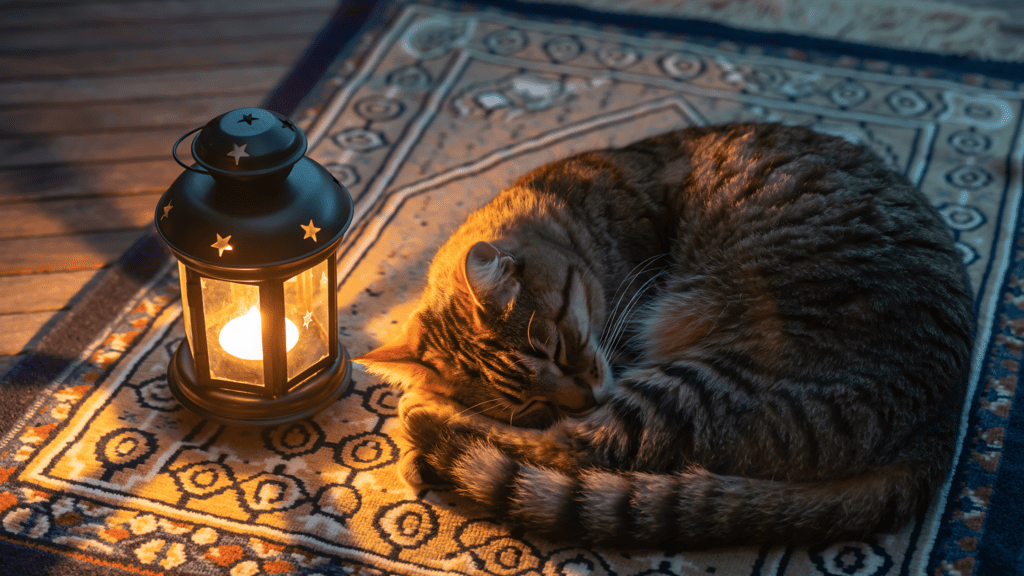
Understanding Feline Sleep Patterns
Cats don’t sleep the same way humans do. While we typically sleep in one long stretch, cats sleep in short cycles spread throughout the day and night. These sleep sessions include both light dozing and deeper rest phases.
Most of a cat’s sleep is light sleep, allowing them to wake instantly if they sense danger—or food. This explains why your cat may appear asleep but perks up the moment you open a treat bag.
Another important factor is that cats are crepuscular, meaning they are most active at dawn and dusk. This natural rhythm comes from their wild ancestors, who hunted prey during these low-light hours.
Evolutionary Reasons: Built to Rest and Hunt
One of the strongest explanations for why do cats sleep so much lies in evolution. Cats are natural hunters, and hunting requires intense bursts of energy.
In the wild, stalking and catching prey is physically demanding. To prepare for these energy-heavy moments, cats conserve power by sleeping for long periods. Even domesticated cats retain this instinct, despite not needing to hunt for survival.
Think of sleep as a battery charger. The more rest your cat gets, the more prepared they are for sudden play sessions, zoomies, or imaginary prey attacks in your living room.
Energy Conservation and Metabolism
Cats have a high-protein metabolism, which burns energy quickly. Sleeping helps them regulate their energy use efficiently.
According to veterinary research published by Cornell University College of Veterinary Medicine, cats evolved to eat multiple small meals from prey and rest in between hunts, reinforcing long sleep cycles .
This metabolic design explains why your cat may sleep soundly after meals. Digestion itself requires energy, and rest allows the body to process nutrients effectively.
Why Do Cats Sleep So Much Indoors?
Indoor cats often sleep more than outdoor cats, and the reason is simple: less stimulation.
Without the challenges of hunting, defending territory, or exploring, indoor cats conserve energy through sleep. While this is normal, boredom can sometimes increase sleep duration beyond healthy levels.
Factors That Increase Sleep in Indoor Cats
- Limited physical activity
- Predictable routines
- Fewer environmental changes
- Minimal hunting opportunities
Adding enrichment like interactive toys, window perches, and scheduled playtime can help balance sleep and activity.
Age Matters: Kittens, Adults, and Senior Cats
A cat’s age plays a major role in how much they sleep.
Kittens
Kittens may sleep 18–22 hours a day. This sleep supports rapid growth, brain development, and immune system strength.
Adult Cats
Healthy adult cats average 12–16 hours of sleep daily. This is considered perfectly normal.
Senior Cats
As cats age, they often sleep more due to reduced energy, joint stiffness, and slower metabolism. Older cats may also experience lighter sleep and wake more frequently.
The Science of Cat Naps: Sleep Cycles Explained
Cats experience two main sleep stages:
| Sleep Stage | Description | Duration |
| Light Sleep | Semi-alert rest, ears twitch, eyes partially open | ~70% |
| Deep Sleep (REM) | Muscle relaxation, dreaming, twitching paws | ~30% |
During REM sleep, cats may dream, just like humans. Twitching whiskers or paws is a common sign of this stage.
Weather, Seasons, and Sleep
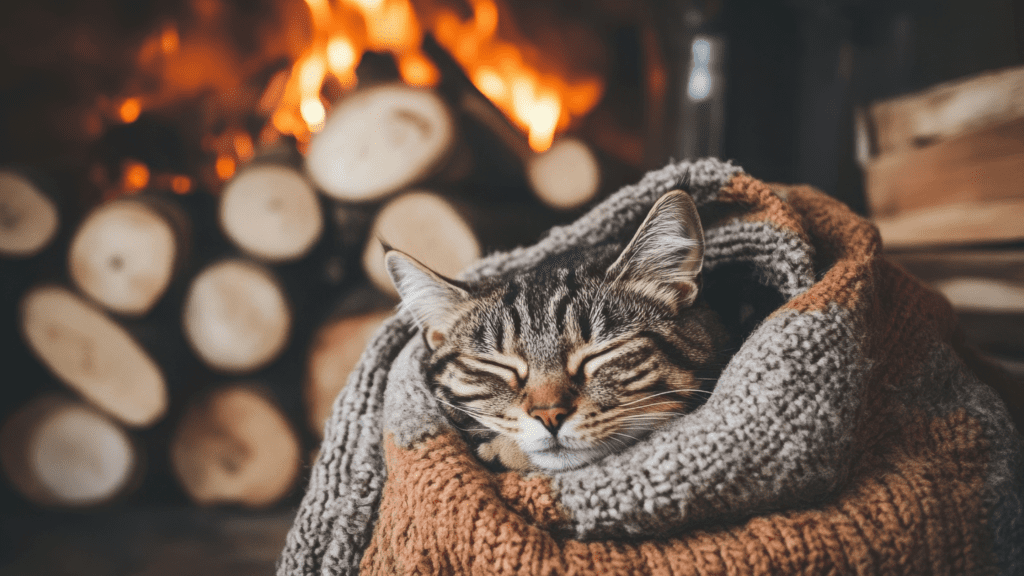
Ever notice your cat sleeps more on rainy days or during winter? That’s not a coincidence.
Cats are sensitive to light levels, temperature, and atmospheric pressure. Cold weather and gloomy days naturally encourage rest. This behavior mirrors wild cats conserving energy when hunting conditions are poor.
Diet and Its Impact on Sleep
Nutrition plays a subtle but important role in sleep behavior.
- High-quality protein supports steady energy levels
- Poor-quality diets may cause lethargy
- Overfeeding can increase post-meal drowsiness
Feeding balanced meals at consistent times helps regulate sleep-wake cycles and prevents sluggishness.
Is It Normal or a Red Flag?
While long sleep hours are normal, sudden changes may signal a problem.
Warning Signs to Watch For
- Sudden increase or decrease in sleep
- Lethargy combined with loss of appetite
- Hiding behavior
- Changes in grooming habits
If these symptoms appear, consult a veterinarian to rule out issues like infections, thyroid problems, or pain.
Mental Health, Stress, and Sleep
Cats may sleep more when they feel stressed or anxious. Changes such as moving homes, new pets, or loud environments can cause emotional fatigue.
Providing safe spaces, consistent routines, and gentle interaction helps reduce stress-related sleep changes.
Conclusion: Embracing Your Cat’s Sleepy Nature
So, why do cats sleep so much? The answer lies in evolution, biology, energy conservation, and age-related needs. Sleep is not laziness—it’s a survival strategy and a sign of good health.
By understanding your cat’s sleep habits, you can better support their well-being, enrich their environment, and spot potential health issues early. The next time your feline friend curls up for another nap, you can smile knowing it’s all part of being perfectly, wonderfully cat-like.
FAQs
1. Why do cats sleep so much during the day?
Cats are crepuscular, so they rest during daylight to prepare for dawn and dusk activity.
2. Is it normal for cats to sleep 20 hours a day?
Yes, especially for kittens and senior cats. Adult cats usually sleep slightly less.
3. Should I wake my cat up to play?
It’s best to let sleeping cats rest. Schedule playtime when they’re naturally active.
4. Why does my cat sleep more after eating?
Digestion requires energy, and rest helps process nutrients efficiently.
5. Can boredom cause cats to sleep more?
Yes. Lack of stimulation often leads to increased sleep in indoor cats.
