Why Is My Cat Meowing So Much? Vet-Backed Answers
If you’ve been wondering, “why is my cat meowing so much?”, you’re definitely not alone. Many cat owners experience periods when their cats become unusually vocal—sometimes even dramatically so. Understanding why this happens requires paying close attention to your cat’s physical health, emotional well-being, daily habits, and overall environment. It’s important to know that excessive meowing is rarely random; it’s almost always a form of communication.
According to data from the American Veterinary Medical Association, more than 35% of cat owners report unusual meowing or behavioral changes at least once per year . Another interesting stat from the ASPCA shows that indoor cats are 2–3 times more likely to vocalize excessively than outdoor cats, mainly because they rely more heavily on their humans for stimulation, communication, and environmental feedback.
This guide covers every possible reason behind excessive meowing so you can understand what your cat is trying to communicate — and most importantly, how to respond.

What Excessive Meowing Really Means
Natural vs. Abnormal Vocalization
Cats naturally meow to greet people, request food, express excitement, or show affection. These are normal behaviors. However, when the meowing becomes persistent, intense, or out of character, it may be a warning sign. Abnormal meowing often signals frustration, stress, hunger, or even underlying medical issues.
How Cats Communicate With Humans
Adult cats rarely meow at each other—this vocal behavior is almost exclusively used to talk to humans. We respond, so they learn that meowing works. Over time, meowing becomes a communication tool, which is why understanding tone, frequency, and timing is important.
The 15 Most Common Reasons Your Cat Is Meowing So Much
Below are the most common causes, explained in detail.
1. Hunger or Food-Related Triggers
Cats quickly learn that meowing near mealtime brings results. If your cat is meowing excessively in the morning, pacing near the kitchen, or vocalizing when you’re near their food bowl, hunger is the likely cause. Some cats also develop “begging meows” after experiencing irregular feeding schedules.
2. Attention-Seeking
If your cat meows more when you’re on your laptop, talking on the phone, or relaxing, they’re likely demanding attention. Some breeds, like Siamese and Bengals, are naturally more vocal.
Signs include:
- Following you from room to room
- Meowing when ignored
- Pawing or climbing on you
3. Stress and Anxiety
Cats don’t deal well with change. A stressed cat often meows loudly to express discomfort.
Environmental Stress
Triggers include:
- Moving homes
- New furniture or smells
- New pets
- Guests or children
Separation Anxiety
Some cats panic when left alone. They may meow loudly the moment you leave or return.
4. Medical Problems
This is one of the most important things to rule out.
Pain and Discomfort
Cats often hide pain, but excessive meowing may be a cry for help. Pain-related meowing is usually lower-pitched, urgent, or out of character.
Hyperthyroidism
This condition increases appetite, restlessness, and vocalization—especially at night.
Urinary Problems
Cats with UTIs or blockages may meow in distress while trying to urinate. This is an emergency.
5. Cognitive Dysfunction in Senior Cats
Older cats often become disoriented, especially at night. They may meow loudly because they’re confused or seeking reassurance.
6. Boredom or Lack of Stimulation
Under-stimulated cats may vocalize to express frustration. Signs include knocking things over, scratching, or pacing.
7. Heat Cycles and Hormonal Vocalization
Unspayed female cats yowl loudly when in heat—sometimes for days. The vocalization can sound distressed but is a natural part of their cycle.
8. Territorial Behavior
Seeing stray cats or other animals outside can trigger loud meowing, chattering, or yowling.
9. Nighttime Restlessness
If your cat meows mostly at night, it might be due to their natural nocturnal instincts. Cats in the wild hunt at dawn and dusk, so nighttime activity is normal for them.
10. Not Enough Physical Activity
Without daily play, cats have leftover energy. This often results in nighttime zoomies and vocalization.
11. Learned Behavior
If meowing consistently gets your cat what it wants—food, attention, toys—it becomes a learned habit.
12. Loneliness
Cats form strong bonds with their humans. If left alone often, they may meow for companionship.
13. Visual or Sensory Impairment
Cats with declining vision or hearing may vocalize more due to confusion or insecurity.
14. Change in Household Routine
Cats love predictability. Even small changes in work schedules, feeding times, or lighting can trigger vocalization.
15. Seeking Comfort or Reassurance
Sometimes your cat simply wants affection, warmth, or your presence. Soft, repetitive meows often signal a desire for closeness.
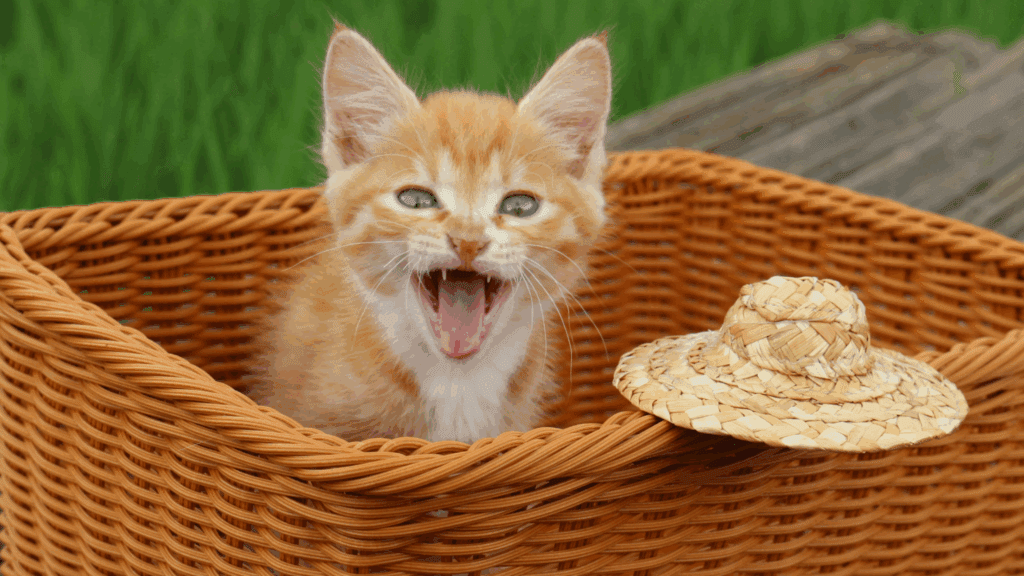
Why Is My Cat Meowing So Much at Night?
Nighttime meowing can be particularly frustrating — but it has clear explanations.
Nocturnal Instincts
Cats naturally wake during twilight hours and may vocalize for food, attention, or play.
Light, Noise, and Environmental Factors
Street noise, motion outside, or other animals can wake your cat and trigger vocalization.
How to Stop Excessive Meowing (Step-by-Step Solutions)
Fixing Feeding Issues
- Feed on a strict schedule
- Don’t reward meowing with immediate feeding
- Use automatic feeders for consistency
Increasing Mental and Physical Enrichment
Ways to reduce boredom-related meowing:
- 15–20 minutes of active play twice daily
- Cat trees, tunnels, and climbing areas
- Puzzle feeders
- Bird-watching windows
Supporting Anxious or Senior Cats
- Use pheromone diffusers
- Keep routines predictable
- Add nightlights for aging cats
- Provide cozy, secure resting spaces
When to Contact a Veterinarian
Seek help if:
- There’s sudden behavioral change
- Your cat meows in the litter box
- There’s loss of appetite
- Your cat appears in pain
Stats About Feline Vocalization
| Behavior Statistic | Source |
| 35% of cat owners report changes in vocalization yearly | AVMA |
| Indoor cats vocalize up to 3x more than outdoor cats | ASPCA |
| 19% of senior cats show signs of cognitive decline | Cornell Feline Health Center |
Conclusion
Understanding why is my cat meowing so much allows you to respond with compassion, awareness, and confidence. Meowing is a cat’s main language for communication, so increases in vocalization are meaningful. Whether your cat is hungry, stressed, lonely, in pain, or simply wants your attention, identifying the root cause helps you support their well-being. With patience, consistent routines, mental enrichment, and veterinary guidance when needed, you can greatly reduce excessive meowing and improve your cat’s happiness and comfort.
FAQs
1. Why is my cat meowing so much all of a sudden?
Sudden vocalization often points to stress, changes at home, or medical issues that require a vet visit.
2. Why does my cat meow constantly at night?
Nighttime meowing is typically caused by restless energy, hunger, or age-related confusion.
3. Could excessive meowing mean my cat is sick?
Yes. Conditions like UTIs, hyperthyroidism, or pain can lead to increased vocalization.
4. How do I stop attention-seeking meowing?
Ignore persistent meowing and reward calm behavior instead.
5. Why do older cats vocalize more?
Age-related cognitive decline, arthritis, or sensory loss are common triggers.
