Discover What Do Dogs Dream About – 7 Powerful Insights You’ll Love
If you’ve ever watched your dog snore softly, twitch a paw, or wag a tail mid-nap, you’ve probably wondered, “What do dogs dream about?” This question has intrigued dog lovers for decades, and thanks to scientific research, we now have clearer answers than ever. Because dogs experience dreams during REM sleep just like humans, it’s not only likely but almost certain that dogs dream regularly.
In fact, research from Harvard University suggests that dogs dream about their owners nearly as often as children dream about their parents, highlighting how deeply bonded dogs become to the people they love. Another study published by the American Sleep Foundation reports that dogs spend roughly 10–12% of their sleep cycle in REM sleep, the stage most connected to vivid dreams.
Dreaming helps dogs process emotions, memories, stress, and instincts. And just like humans, their dreams reflect their personalities, experiences, and daily activities. So, if you’ve ever wondered whether your dog is chasing squirrels in their sleep or reliving your morning walk — the answer is a firm “yes.”
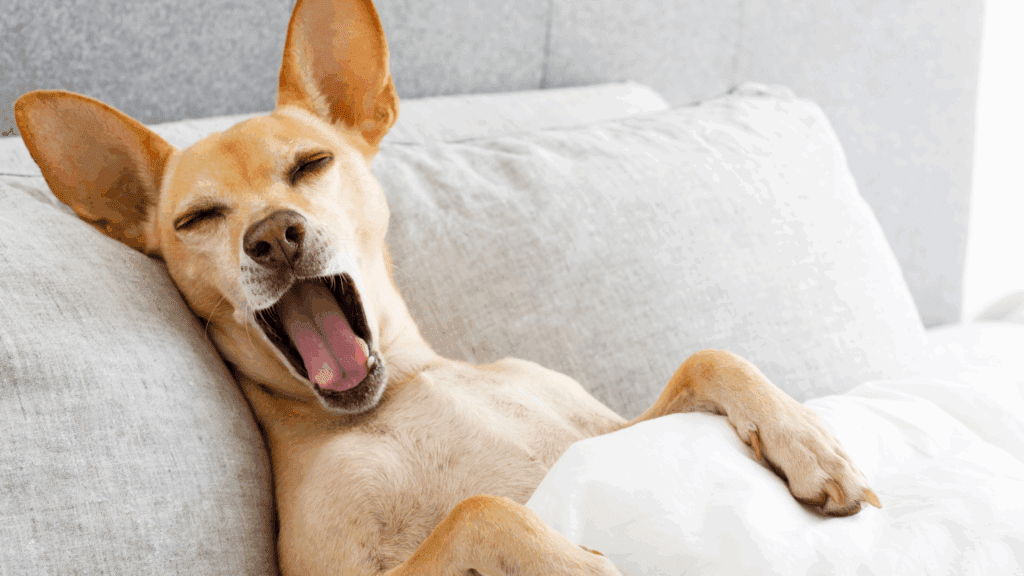
Understanding the Canine Sleep Cycle
Dogs don’t simply fall asleep and stay still. Their sleep cycle is dynamic and involves several phases that influence the content and intensity of their dreams.
REM Sleep Phases in Dogs
REM (Rapid Eye Movement) sleep is the stage when dreams are most vivid. During REM sleep:
- Heart rate increases
- Breathing becomes irregular
- Eyes move rapidly under closed lids
- Brain activity spikes dramatically
This is also the sleep stage where we commonly see dogs twitch, kick, or softly bark. According to MIT neuroscientists, animals replay memories during REM sleep, suggesting that your dog dreams about lived experiences.
In this phase, the brain temporarily disconnects motor neurons to prevent full-body movements, which is why dogs only “twitch” rather than get up and run around.
Non-REM Sleep and Physical Rest
Before dreaming begins, dogs enter non-REM sleep — the restorative phase. Non-REM sleep:
- Helps repair tissues
- Supports immune function
- Improves physical recovery
- Regulates hormone balance
Non-REM sleep is deeper and quieter. Once a dog shifts into REM sleep, that’s when dream activity begins and brain activity resembles an awake state.
What Do Dogs Dream About? Scientific Evidence
Dogs dream because their brains are wired just like ours. They process emotions, memories, routines, and survival instincts when asleep.
Studies on Brain Activity in Dogs
Sleep studies using EEG scans on dogs show identical wave patterns to dreaming humans. Researchers observed spikes in:
- Motor-related areas
- Sensory-processing centers
- Emotion-regulating regions
This proves that dreams reflect real-life experiences. When dogs dream, they often replay moments such as:
- Running
- Exploring
- Playing fetch
- Meeting new animals
- Learning new commands
Comparing Dog Dreams to Human Dreams
Humans dream in stories, but dogs dream in fragments. Their dreams are simpler and revolve around:
- Behaviors
- Instincts
- Sensory memories (smells, sounds, movements)
Where humans may dream of complex narratives, dogs likely replay short scenes — a squirrel running, a ball flying, a treat being offered, or the comforting sound of their owner’s voice.
Common Themes in Dog Dreams
Based on scientific research and behavioral observations, dogs dream about several common themes.
Dreams About Daily Activities
These include:
- Morning walks
- Playing fetch
- Jumping at birds
- Eating their favorite treats
- Socializing with other dogs
Everything your dog does regularly becomes mental “footage” for their dreams.
Dreams Reflecting Instincts
Even domesticated dogs carry deep ancestral instincts. They may dream about:
- Chasing prey
- Tracking scents
- Protecting territory
- Following pack dynamics
Breeds with strong instincts — like shepherds, retrievers, and hounds — exhibit more instinctual dream movements.
Emotional Experiences in Dreams
Dogs feel emotions vividly. Their dreams may reflect:
- Joy during bonding moments
- Anxiety from storms or separation
- Excitement from play
- Fear of unfamiliar noises
These emotional imprints often show up through whimpers or tail movements during sleep.
Signs Your Dog Is Dreaming
Dogs communicate dream activity through subtle behaviors.
Physical Movements During Sleep
Common signs include:
- Paw twitching
- Tail wagging
- Ear flicking
- Jaw movements
- Muscle spasms
These small actions reveal active dream processing.
Vocalizations and Behavior Indicators
Dogs may also:
- Whimper
- Bark softly
- Growl
- Squeak
- Huff
These behaviors typically reflect emotions or actions happening within the dream.
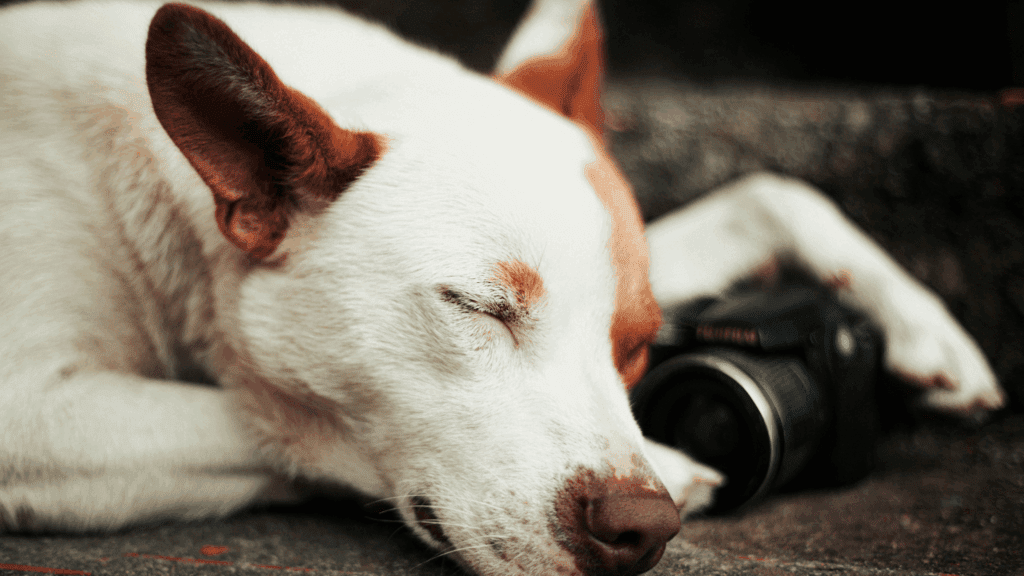
Can Dogs Have Nightmares?
Just like humans, dogs also experience bad dreams.
Signs of Negative Dreams
A nightmare may appear through:
- Rapid or shallow breathing
- Whimpers or distressed cries
- Sudden jerks
- Tense muscles
- Tail tucking
If your dog wakes abruptly and seems scared, they may have experienced a nightmare.
How to Comfort a Distressed Dog
If your dog appears frightened:
- Speak gently
- Avoid shaking them awake
- Let them come to full consciousness naturally
- Offer slow, calm petting
- Provide reassurance
Comfort is key — especially for rescue dogs, who may carry past trauma.
Why Understanding Dog Dreams Matters
Knowing what your dog dreams about can help you understand their emotions and improve their well-being.
Benefits for Dog Owners
Understanding dog dreams helps you:
- Decode nighttime behaviors
- Identify anxiety triggers
- Recognize when your dog needs emotional support
- Improve your dog’s sleep environment
Strengthening the Human–Dog Bond
Dreams can reveal how deeply your dog connects with you. If they dream about you often, that’s a strong indicator of emotional attachment. Comforting your dog after nightmares strengthens trust and reassurance.
Do Different Breeds Dream Differently?
Yes — breed, size, and temperament significantly influence dream frequency.
Dream Frequency in Small vs. Large Breeds
- Small dogs (like Terriers) dream more often but in shorter bursts.
- Large dogs (like Shepherds) dream less frequently but have longer, more continuous dreams.
This difference is tied to brain size and neurological rhythm.
Age-Related Dream Differences
Puppies dream more because they process enormous amounts of new information each day — sounds, textures, training, social impressions.
Senior dogs may dream less frequently due to slower neurological activity but may dream more vividly due to long-term memories.
How Environment Influences Dog Dreams
Your dog’s surroundings impact dream quality and content.
Stress Factors and Nightmares
Negative stimuli can trigger nightmares:
- Loud noises
- Moving homes
- Separation anxiety
- Past trauma
- Lack of routine
Rescue dogs often experience more nightmares because of emotional history.
Positive Experiences and Better Sleep
Dogs with stable routines and affection often dream peacefully. Positive experiences like play, cuddles, and training help them sleep deeply and comfortably.
Enhancing Your Dog’s Sleep Quality
Better sleep means healthier, happier dogs.
Setting Up a Comfortable Sleep Space
Create a calming sleep environment:
- Soft, clean bedding
- Quiet surroundings
- Dim lighting
- Consistent temperature
- Familiar scents
Comfort promotes dream-rich REM sleep.
Healthy Routines for Better Dreams
Improve dream quality by offering:
- Daily exercise
- Mental stimulation
- Predictable bedtime
- Balanced nutrition
- Emotional reassurance
When dogs feel secure, their dreams reflect that peace.
Primary Keyword Section: What Do Dogs Dream About — Detailed Breakdown
Behavioral Interpretation
Dogs primarily dream about what they love, fear, and experience daily. This includes:
- Running
- Chasing
- Playing
- Socializing
- Exploring
Their dreams reflect both personality and instinct.
Scientific Interpretation
Neurologically, dreams help dogs:
- Learn faster
- Reduce stress
- Strengthen memories
- Process emotions
- Build confidence
Dreaming is essential for cognitive health and emotional stability.
Conclusion
Dogs dream because their brains are wired to process memories, emotions, routines, and instincts just like humans. Understanding what do dogs dream about helps you better support their emotional and physical health. Whether they’re reliving a joyful play session or replaying a moment of fear, dreams reveal the inner world of your beloved companion.
By offering comfort, routine, and a peaceful environment, you ensure that your dog enjoys happy, healing sleep — full of wagging tails, playful adventures, and comforting memories.
FAQs
1. Do dogs dream every night?
Yes. Dogs typically enter REM sleep several times each night.
2. Why does my dog make noises while dreaming?
Because they’re experiencing vivid dream activity, often recreating sounds from daily life.
3. Do dogs dream about their owners?
Research strongly suggests they do — especially affectionate dogs.
4. Can waking a dog from a nightmare hurt them?
It can startle them. Wake gently with a calm voice, not physical touch.
5. Do certain breeds dream more than others?
Yes. Small breeds dream more frequently, while working breeds have more instinct-based dreams.
