Can Dogs Eat Blueberries or Not? Everything You Need to Know
Wondering can dogs eat blueberries and whether those tiny blue balls are a smart snack for Fido? Short answer: yes—most dogs can safely enjoy blueberries in moderation. Blueberries are low in calories and rich in antioxidants, vitamins, and fiber, making them a convenient, nutrient-dense treat. One useful industry stat: the U.S. pet food sector reported $51.7 billion in sales in 2024, reflecting how much owners now invest in pet nutrition and healthier treat options.
Scientific research supports the value of antioxidant-rich diets for aging dogs: dietary antioxidant supplementation has been shown to improve learning and memory tasks in aged canines.
This article walks you through the facts, benefits, risks, portion guidelines, and vet-backed tips for feeding blueberries to your dog—clearly, safely, and with examples.
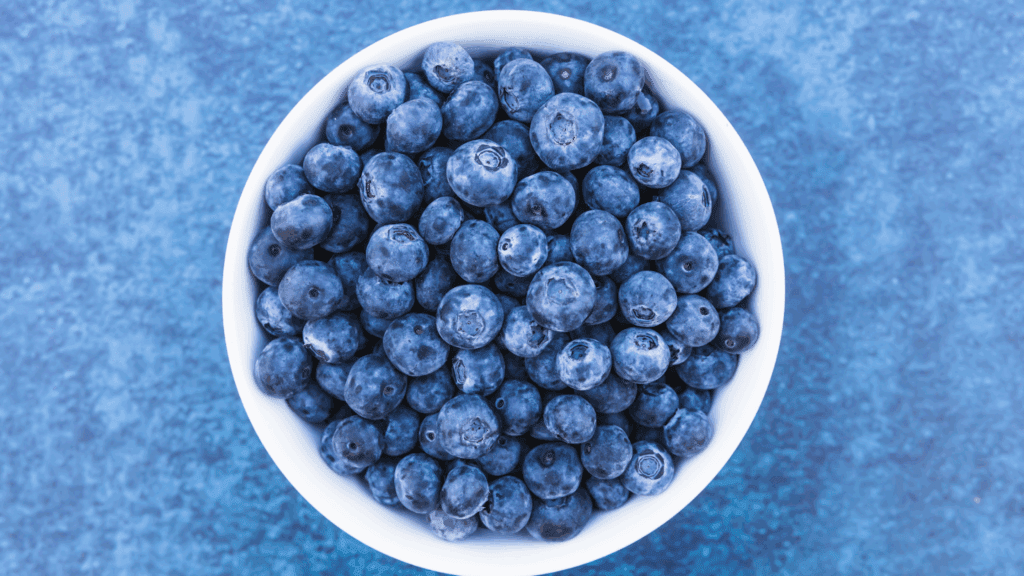
What Are Blueberries?
Blueberries are small, round berries native to North America and now grown worldwide. They’re called a “superfood” because they pack a dense array of nutrients—vitamins (notably vitamin C and K), fiber, manganese, and a high concentration of antioxidants (anthocyanins and other flavonoids). These compounds are linked to reduced oxidative stress and inflammation in many species, including dogs.
Can Dogs Eat Blueberries?
Yes. Fresh, plain blueberries are safe for most dogs when offered in moderation. They are non-toxic (unlike grapes/raisins), low in calories, and can be used as training treats or mixed into meals. That said, “safe” does not mean “unlimited”—portion control matters to avoid digestive upset or excess sugar.
Nutritional Value of Blueberries for Dogs
Here’s a concise nutrient snapshot for blueberries per 100 g (approx.) and why each matters for canine health:
| Nutrient | Approx. Amount | Why it matters for dogs |
| Calories | ~57 kcal | Low-calorie treat option |
| Fiber | ~2.4 g | Supports digestion & bowel regularity |
| Vitamin C | ~9.7 mg | Antioxidant support (dogs synthesize some but extra can help) |
| Vitamin K | ~19.3 µg | Helps with blood clotting and bone metabolism |
| Manganese | ~0.3 mg | Enzyme function and metabolism |
| Antioxidants | High (anthocyanins) | Reduce cellular oxidative stress |
Top 10 Health Benefits of Blueberries for Dogs
1. Antioxidant protection. Blueberries are rich in anthocyanins, which help neutralize free radicals that damage cells. Studies show antioxidant-enriched diets can help cognitive function in older dogs.
2. Immune support. Vitamins and phytochemicals in blueberries support immune resilience.
3. Low-calorie treat alternative. Great for weight-conscious dogs—fewer calories than many commercial treats.
4. Anti-inflammatory benefits. Flavonoids can dampen chronic inflammation when used as part of a balanced diet.
5. Digestive support. Natural fiber helps regulate bowel movements.
6. Heart health. Antioxidants and minerals could contribute to cardiovascular wellbeing over time.
7. Brain support for older dogs. As noted, antioxidant diets have improved learning tasks in aged canines.
8. Easy portion control for training. Small berries can replace calorie-dense training tidbits.
9. Hydration boost (frozen). Frozen blueberries are hydrating, especially on hot days.
10. Versatile culinary use. Can be added to homemade treats, frozen yogurt (plain), or blended into toppers.
Blueberries and Digestive Health
Blueberries provide soluble and insoluble fiber; both support healthy digestion, regulate stools, and can help with mild constipation. Introduce slowly—start with a couple of berries and watch for soft stool or loose stools. If you see digestive upset, pause and reassess.
Are Blueberries Good for Puppies?
Puppies can have blueberries, but with caution:
- Small pieces for tiny mouths to avoid choking.
- Moderation because puppies have sensitive stomachs and different caloric needs.
- Introduce slowly while monitoring for any allergic signs.
Blueberries’ antioxidant and vitamin content can be supportive, but puppy diets should still be primarily formulated puppy food. Consult your vet before making frequent additions.
How Many Blueberries Can Dogs Eat?
Portioning is simple:
- Small dogs (<20 lb): 2–4 berries per snack.
- Medium dogs (20–50 lb): 5–10 berries.
- Large dogs (>50 lb): 10–20 berries.

Risks & When to Avoid Blueberries
When to avoid or be cautious:
- Diabetic dogs: Fruits contain natural sugars—talk to your vet.
- Dogs on blood thinners: High vitamin K content might be relevant—consult your vet.
- Digestive issues: If your dog has pancreatitis history or a sensitive gut, avoid fatty or sugary mixed blueberry treats (like muffins).
- Dried/canned berries: Often contain added sugars or preservatives—avoid.
Blueberries vs. Other Dog-Safe Fruits
| Fruit | Safe for Dogs? | Top benefit |
| Blueberries | ✅ | Antioxidants, low-calorie |
| Apples (no seeds) | ✅ | Fiber, vitamin C |
| Bananas | ✅ (moderation) | Potassium, quick energy |
| Strawberries | ✅ | Vitamin C, fiber |
| Grapes/Raisins | ❌ | Toxic—never feed |
Blueberries are often the best “superfood” pick for dogs due to antioxidant density and low calorie count.
Best Ways to Serve Blueberries to Dogs
- Fresh & washed: The simplest—rinse thoroughly and serve plain.
- Frozen: Great for teething puppies or hot days; avoid large frozen clumps that could cause choking.
- Mashed or chopped: For tiny dogs and puppies.
- Mixed into plain yogurt: Small amounts of unsweetened, plain yogurt can be mixed with mashed blueberries (if your dog tolerates dairy).
- Homemade treats: Freeze blueberries in ice cube trays with diluted plain yogurt or create baked dog biscuits using dog-safe recipes.
Avoid any added sugars, xylitol (extremely toxic), or chocolate-containing recipes.
You May Also Read : Can Dogs Have Raisins?
Can Dogs Eat Dried or Canned Blueberries?
Dried blueberries often contain concentrated sugar and sometimes preservatives—use caution and read labels. Canned blueberries frequently contain syrup or sweeteners and are not recommended. Plain, fresh, or frozen blueberries are the safest options.
Signs of Allergic Reaction or Intolerance
Allergic reactions are rare but possible. Watch for:
- Facial swelling or hives
- Itching or excessive scratching
- Vomiting or diarrhea
- Difficulty breathing (rare — emergency)
If any severe signs appear, seek veterinary care immediately.
Veterinarian Perspective & When to Consult Your Vet
Most vets agree blueberries are a safe occasional treat for healthy dogs. If your dog has chronic disease (diabetes, kidney disease, pancreatitis), is on medication (especially anticoagulants), or has had food reactions, check with your veterinarian before introducing new fruits. Credible pet-health sources like the American Kennel Club recommend moderation and vet consultation for special cases.
Practical Recipes and Treat Ideas
1. Blueberry Training Nibbles
Mash a few blueberries and drop pea-sized amounts onto a tray to freeze—bite-sized training rewards with a nutritional kick.
2. Blueberry Yogurt Pops
Mix 1 cup plain, unsweetened yogurt with ½ cup mashed blueberries, spoon into ice cube trays, freeze. Serve one small cube as an occasional treat (if your dog tolerates dairy).
3. Blueberry Oat Biscuits (dog-safe)
Combine cooked oats, mashed blueberries, and a little pureed banana. Form into small biscuits and bake until firm. No sugar, no salts—keep portions small.
Conclusion
Blueberries are a safe, nutritious, and low-calorie treat for most dogs when served plain and in moderation. They bring antioxidants, vitamins, and fiber to the table—benefits that can support immunity, digestion, and healthy aging. Keep portions appropriate for your dog’s size, avoid dried or syrup-packed versions, and consult your veterinarian for dogs with chronic conditions. When used sensibly, blueberries can be a delicious, healthful addition to your pup’s treat rotation.
FAQs
1. Can dogs eat blueberry muffins or blueberry pie?
No. Baked goods typically contain sugar, butter, and sometimes xylitol or chocolate—these are unhealthy or toxic for dogs.
2. Can blueberries help my senior dog’s cognition?
Antioxidant-enriched diets have shown cognitive benefits in older dogs in controlled studies; blueberries add antioxidants but are not a standalone cure. Consult your vet for a full cognitive-care plan.
3. Are frozen blueberries safe for dogs?
Yes—frozen blueberries are safe and make a refreshing, hydrating treat. Just avoid large frozen clumps for small dogs to prevent choking.
4. Can dogs eat blueberry baby food or puree?
Only if the puree contains no additives (sugar, onion, garlic, xylitol). Plain mashed blueberries are safer.
5. How often can I give my dog blueberries?
Treat-wise, 2–3 times per week in small portions is a reasonable guideline. Keep total treats under ~10% of daily calories.
