Why Is My Cat Drooling Suddenly? 12 Hidden Causes You Shouldn’t Ignore
Has your cat started drooling more than usual, leaving wet patches where they nap? Don’t panic—while this can seem alarming, it’s not always a sign of danger. In fact, according to the American Veterinary Dental Society, over 70% of cats develop some form of oral disease by age three, making drooling one of the most noticeable early symptoms.
Drooling in cats can result from simple happiness or serious medical issues. Understanding the reason behind it helps you take the right action—whether it’s a vet visit or just extra cuddles. Let’s explore why your cat might be drooling and what you can do about it.
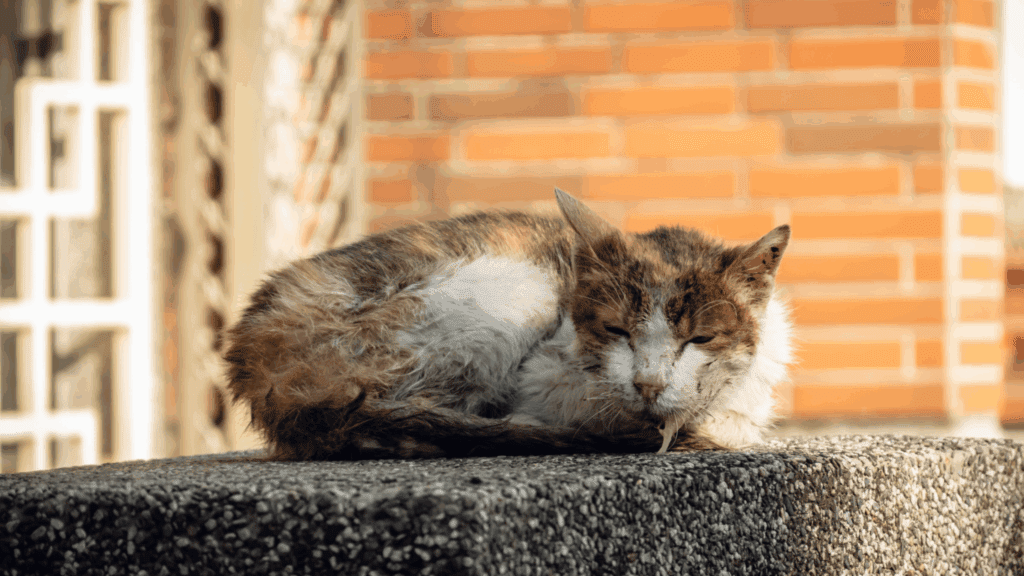
Normal vs. Abnormal Cat Drooling
Some cats drool when they’re incredibly relaxed, like during purring or petting sessions. This kind of drooling is typically clear, minimal, and harmless.
However, if the drooling is sudden, excessive, or accompanied by bad breath, pawing at the mouth, or loss of appetite, it signals something more serious. Persistent drool can indicate an underlying health issue requiring medical attention.
| Type of Drooling | Description | Action Needed |
| Relaxation Drooling | Happens during petting or purring | Normal, no treatment |
| Food-Triggered Drooling | Occurs around mealtime | Normal |
| Constant, Thick Drooling | Associated with dental issues | See a vet |
| Bloody or Foamy Drooling | Could indicate poisoning or injury | Emergency care |
1. Dental Disease – The Top Culprit
Dental problems are the #1 reason cats drool excessively. Plaque, gingivitis, and tooth decay lead to pain and inflammation, which increase saliva production.
Signs of Dental Trouble
- Bad breath (halitosis)
- Pawing at the mouth
- Difficulty eating or chewing
- Visible tartar buildup
If your cat’s breath smells foul or they resist eating dry kibble, book a vet appointment. Regular dental cleanings and daily brushing with pet-safe toothpaste can prevent most of these issues.
2. Oral Injuries and Foreign Objects
Cats are naturally curious, and sometimes that curiosity leads to trouble. Small objects like grass blades, string, or bone fragments can get lodged between their teeth or under the tongue, causing drooling.
If your cat is drooling suddenly and seems to have difficulty closing their mouth, inspect gently—but never force it open. Instead, contact a veterinarian who can safely examine and remove any obstruction.
3. Heat Stress or Overheating
Cats can’t sweat like humans. When they overheat, they may drool or pant to regulate their temperature.
Excessive drooling on hot days, combined with lethargy and rapid breathing, may indicate heat exhaustion.
How to Help
- Move your cat to a shaded, cool spot
- Offer fresh, cool water
- Use a damp towel to gently cool them
- Avoid leaving cats in cars or hot rooms
According to the ASPCA, heatstroke in cats can develop within minutes if temperatures exceed 35°C (95°F). Early intervention is crucial.
4. Anxiety and Stress
Some cats drool when they’re anxious—during vet visits, car rides, or when a new pet joins the household. Stress increases saliva production, much like nervous sweating in humans.
Reduce Feline Anxiety
- Provide familiar blankets or toys
- Use pheromone diffusers (like Feliway)
- Keep routines consistent
- Introduce new environments slowly
If stress-induced drooling is frequent, behavioral therapy or mild calming medications may be advised by your vet.
5. Nausea or Motion Sickness
Just like humans, cats can get carsick. If drooling starts during travel, it’s likely due to motion sickness or nausea.
Tips for a Comfortable Ride
- Use a well-ventilated carrier
- Limit feeding before trips
- Try vet-approved anti-nausea meds
- Keep the car quiet and calm
Over time, short practice rides can help your cat adapt to traveling more comfortably.
6. Poisoning or Toxic Plants
Certain household substances—like lilies, antifreeze, insecticides, and human medications—are highly toxic to cats and often cause drooling as an early symptom.
Emergency Steps
- Identify the toxin (check labels or plant types)
- Rinse your cat’s mouth with water (if safe)
- Contact your vet or the ASPCA Animal Poison Control (1-888-426-4435) immediately
Avoid delay—early action can save lives.
| Toxic Substance | Common Source | Symptom |
| Lilies | Houseplants | Drooling, vomiting |
| Antifreeze | Garage spills | Foamy drool, seizures |
| Insecticides | Garden sprays | Tremors, excessive saliva |
7. Mouth Ulcers and Infections
Viral infections like feline calicivirus or herpesvirus can cause painful ulcers in the mouth, leading to drooling. These are often accompanied by sneezing, eye discharge, and fever.
Antiviral medications, antibiotics, and supportive care (like hydration and soft food) help recovery. Regular vaccinations greatly reduce the risk of these infections.
8. Dental Abscesses
A tooth root abscess can cause pus buildup, swelling, and drooling. It’s painful and usually results from untreated dental disease.
Treatment involves antibiotics and sometimes tooth extraction. Prompt dental care can prevent abscesses from forming in the first place.
9. Neurological Disorders
Issues in the brain or nervous system can interfere with muscle control around the mouth, causing drooling. Conditions like facial nerve paralysis or seizures may also be responsible.
Such symptoms require immediate veterinary attention, including neurological exams and imaging.
10. Respiratory Infections
Respiratory infections often cause nasal congestion and make swallowing difficult, leading to drool buildup.
Supportive treatments like humidifiers, hydration, and antibiotics help relieve symptoms. Keep your cat’s vaccines up to date to prevent recurrence.
11. Allergic Reactions
Cats can react to foods, cleaning chemicals, or air fresheners. Allergies can cause itching, swelling, and drooling due to throat or mouth irritation.
Switching to hypoallergenic diets and avoiding scented products can make a big difference.
12. Tumors or Growths in the Mouth
Though less common, oral tumors can obstruct swallowing and lead to persistent drooling. Early detection through regular vet checkups is vital.
Benign growths can often be removed surgically, while malignant ones may require chemotherapy or radiation therapy.
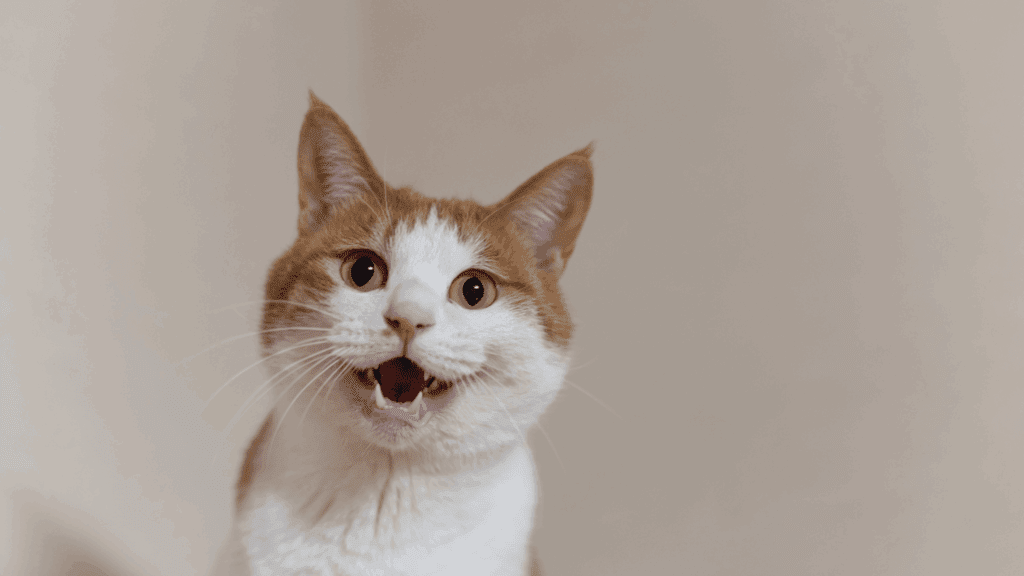
When to Visit the Vet
Seek immediate vet attention if:
- Drooling is persistent or worsening
- Your cat refuses to eat or drink
- There’s blood or foam in the drool
- The cat seems lethargic or disoriented
Early diagnosis ensures faster treatment and prevents complications.
How to Diagnose the Cause
A veterinarian may perform:
- Oral and dental exams
- Blood tests and X-rays
- Ultrasound or CT scans (for deeper issues)
- Toxicology screening (if poisoning suspected)
These help identify the root cause and guide effective treatment.
Home Care Tips to Manage Drooling
- Wipe your cat’s mouth gently with a soft cloth
- Keep the fur around the chin dry to prevent skin irritation
- Offer soft, easy-to-chew foods
- Encourage hydration with fresh water or pet fountains
Prevention: Keeping Your Cat’s Mouth Healthy
Prevention is key.
- Brush your cat’s teeth regularly
- Schedule annual dental checkups
- Avoid toxic plants and human food
- Monitor behavior changes
Quick Comparison Table: Common Causes vs. Symptoms
| Cause | Key Symptom | Severity | Vet Needed |
| Dental Disease | Bad breath, tartar | High | ✅ |
| Heat Stress | Panting, drooling | Medium | ✅ |
| Anxiety | Pacing, drooling | Low–Medium | Optional |
| Poisoning | Foamy drool, vomiting | Critical | 🚨 Immediate |
| Tumors | Swelling, weight loss | High | ✅ |
Conclusion
Drooling might seem minor, but it’s your cat’s way of telling you something. Whether it’s relaxation or a red flag, understanding the cause helps you act wisely. Regular vet visits, a safe environment, and dental care can keep your feline friend healthy—and drool-free.
FAQs
1. Why is my cat drooling when purring?
It’s often a sign of extreme relaxation or affection. Some cats drool when they feel very comfortable.
2. Can teething kittens drool?
Yes, teething can make kittens drool due to gum irritation. It’s temporary and harmless.
3. Why is my cat drooling and not eating?
This can signal dental pain, ulcers, or infections—see a vet promptly.
4. Can stress make my cat drool?
Yes, stress can increase saliva. Identify and minimize triggers.
5. Is drooling a symptom of poisoning?
Yes, toxins often cause sudden, excessive drooling along with vomiting or tremors. Contact your vet immediately.
