Is Cheese Bad for Dogs? Benefits, Risks & Safe Options
Cheese is a staple in many households—creamy, savory, and often considered the ultimate comfort food. Naturally, dog owners wonder: “Is cheese bad for dogs?” After all, when your furry friend looks up at you with those big puppy eyes while you’re enjoying a slice of cheddar, it’s tempting to share.
Here’s an interesting stat to put things into perspective: 65% of adult dogs show signs of lactose intolerance. This means that while cheese isn’t toxic, it isn’t suitable for every pup either. Another survey found that nearly 80% of dog owners admit to giving cheese as a treat at least once a week . These numbers highlight just how common cheese-sharing is—but also why it sparks so much debate among vets and pet parents.
In this article, we’ll dive deep into the pros and cons of cheese for dogs, explore safe vs. unsafe varieties, and give you practical tips on how to enjoy cheese responsibly with your furry companion.
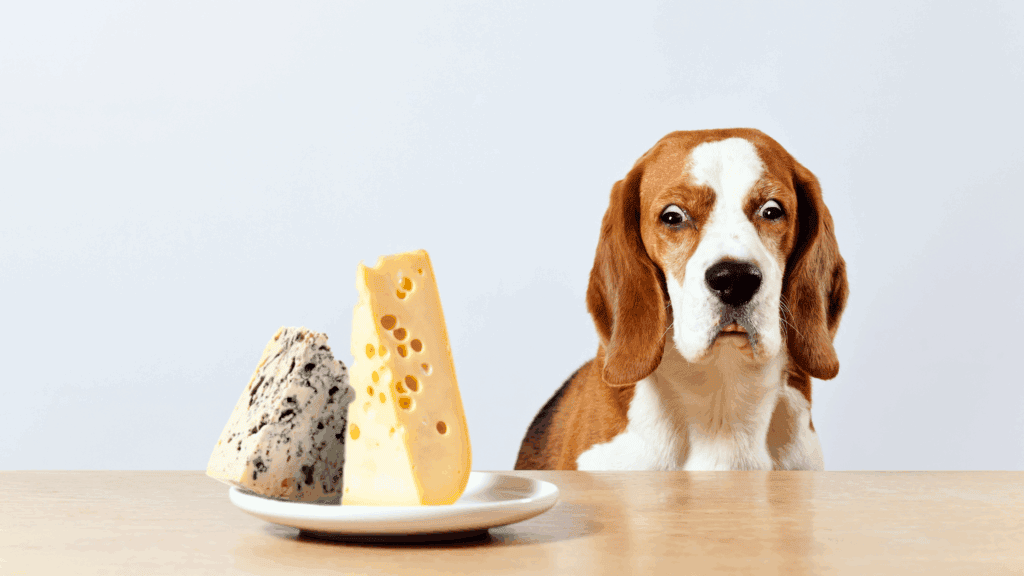
What Makes Cheese Tempting for Dogs
There’s no denying it: dogs go wild for cheese. The reasons are simple:
- Aroma: Cheese has a strong smell that appeals to a dog’s powerful nose.
- Texture: Its soft, creamy consistency makes it easy to chew and swallow.
- Taste: The salty, fatty flavor is irresistible to most dogs.
Cheese is basically the dog equivalent of candy—it’s indulgent, addictive, and best enjoyed sparingly.
Nutritional Value of Cheese
Cheese isn’t just tasty—it’s packed with nutrients. However, its benefits come with caveats.
Nutrients Found in Cheese
- Protein: Helps with muscle development and tissue repair.
- Calcium: Strengthens bones and teeth.
- Vitamin A: Supports vision and immune function.
- Vitamin B12: Essential for nerve health and red blood cell formation.
- Zinc: Promotes healthy skin and coat.
- Fat: Provides energy but can also lead to obesity if overconsumed.
Nutrients in 1 oz (28g) Cheddar Cheese
| Nutrient | Amount | Role in Dogs’ Health |
| Protein | 7g | Muscle growth and repair |
| Calcium | 200mg | Strong bones, teeth, nerve function |
| Vitamin A | 265 IU | Eye health, immune system support |
| Sodium | 174mg | Electrolyte balance (risk if excess) |
| Fat | 9g | Energy, but linked to weight gain |
While these nutrients are valuable, the high calorie and sodium content make cheese risky if it becomes a regular part of your dog’s diet.
Is Cheese Bad for Dogs? The Core Answer
The million-dollar question: is cheese bad for dogs? The answer is both yes and no.
- Yes—if fed excessively or to lactose-intolerant dogs, cheese can cause digestive upset, obesity, and even pancreatitis.
- No—in moderation, cheese can be a safe, tasty treat and even a useful training tool.
Think of it like chocolate for humans—it’s fine occasionally, but not something you’d want daily.
Lactose Intolerance in Dogs
Many adult dogs have trouble digesting lactose, the sugar found in milk products. Puppies usually produce plenty of lactase (the enzyme that breaks down lactose), but production declines as they grow.
Signs of Lactose Intolerance in Dogs
- Bloating
- Gas
- Diarrhea
- Vomiting
- Abdominal discomfort
Breeds Prone to Lactose Sensitivity
- German Shepherds
- Labrador Retrievers
- Golden Retrievers
- Border Collies
If your dog shows these symptoms after eating cheese, it’s best to avoid dairy altogether.
You May Also Like : Can Cats Eat Cheese?
Health Risks of Feeding Cheese to Dogs
Cheese can cause several health issues if fed recklessly:
- Digestive Problems – Loose stools, diarrhea, and stomach upset.
- Obesity – High fat and calorie content can lead to unhealthy weight gain.
- Pancreatitis – A dangerous inflammation of the pancreas triggered by fatty foods.
- Excess Sodium – Can cause dehydration, increased blood pressure, or heart issues.
- Hidden Ingredients – Flavored cheeses may contain garlic, onion, or chives, which are toxic to dogs.
Benefits of Cheese for Dogs (In Moderation)
Despite the risks, cheese has some surprising upsides:
- Training Treats: Its strong aroma makes it an excellent motivator.
- Pill Delivery: Wrapping pills in cheese can make medication time stress-free.
- Nutritional Boost: Offers protein and calcium in small amounts.
Used strategically, cheese can actually make dog ownership easier.
Safe Cheeses vs. Unsafe Cheeses
Not all cheeses are created equal. Some are safer for dogs than others.
Safe vs. Unsafe Cheeses for Dogs
| Safe Cheeses | Unsafe Cheeses |
| Cottage cheese (low-fat) | Blue cheese (toxic mold) |
| Mozzarella (low-moisture) | Garlic/herb-flavored cheeses |
| Soft goat cheese | Processed cheese slices |
| Low-fat cheddar | High-fat creamy cheeses |
When in doubt, stick to plain, low-fat, unseasoned cheese.
How Much Cheese is Too Much?
Veterinarians recommend that treats—including cheese—make up no more than 10% of your dog’s daily calorie intake.
Rule of Thumb
- Small dogs (under 20 lbs): 1–2 small cubes per week
- Medium dogs (20–50 lbs): 2–3 small cubes per week
- Large dogs (50+ lbs): 3–4 cubes per week
Anything more than this could tip your dog into the danger zone of digestive issues and weight gain.
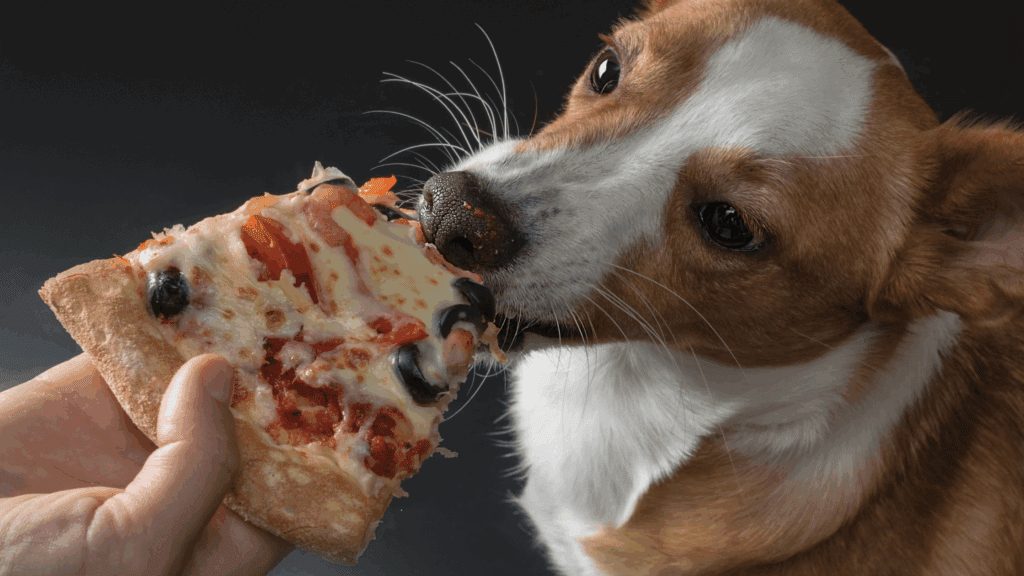
Alternatives to Cheese for Dogs
If your pup loves cheese but doesn’t tolerate it well, there are plenty of alternatives:
- Carrots – Crunchy, low-calorie, and vitamin-packed.
- Apple slices – High in fiber (remove seeds).
- Pumpkin – Excellent for digestion.
- Boiled chicken – Lean protein source.
- Peanut butter (xylitol-free) – A favorite training reward.
Cheese vs. Alternatives
| Treat | Calories (per oz) | Benefits for Dogs |
| Cheddar Cheese | ~115 | Tasty, high in calcium |
| Carrots | ~10 | Low-calorie, vitamin-rich |
| Apple slices | ~15 | Hydrating, high in fiber |
| Pumpkin | ~7 | Supports healthy digestion |
| Boiled chicken | ~50 | Lean protein, muscle support |
Cheese and Puppies: Special Considerations
Puppies have sensitive stomachs and are still developing their digestive systems. While small amounts of cottage cheese are sometimes used for upset stomachs, cheese should generally be avoided until your pup is older and your vet approves.
Cheese in Commercial Dog Treats
Walk down any pet store aisle, and you’ll see cheese-flavored biscuits and snacks. Most of these are safe because they’re made with lactose-reduced or cheese powder. However, always check ingredient labels for:
- Artificial preservatives
- Excessive salt
- Added flavors like garlic or onion
Expert Opinions on Cheese for Dogs
Veterinarians worldwide emphasize moderation. The American Kennel Club notes that cheese can be an excellent motivator during training but should never become a dietary staple. Holistic vets also stress the importance of monitoring each dog individually since tolerance levels vary widely.
Practical Tips for Dog Owners
- Test with a small piece before giving more.
- Avoid flavored or processed cheese.
- Stick to low-fat, plain varieties.
- Watch your dog closely after eating cheese.
- Use cheese sparingly for training or medication.
Conclusion
So, is cheese bad for dogs? The answer is a nuanced sometimes. Cheese isn’t toxic and can even provide valuable nutrients when given in moderation. However, overindulgence brings risks like obesity, pancreatitis, and digestive problems.
The best approach? Use cheese sparingly as a special treat, choose low-fat varieties, and always monitor your dog’s reaction. When in doubt, talk to your vet. With the right precautions, you and your pup can both enjoy cheese without the guilt.
FAQs
1. Can dogs eat cream cheese?
Yes, but only plain cream cheese in tiny amounts. Avoid flavored versions with garlic or chives.
2. Is cottage cheese good for dogs?
Yes, it’s low in fat and lactose, making it one of the safest cheese options.
3. Can cheese cause pancreatitis in dogs?
Yes, especially high-fat cheeses fed in large amounts.
4. What type of cheese is best for training?
Low-fat mozzarella or cheddar cut into pea-sized cubes.
5. Is string cheese safe for dogs?
Yes, it’s often used in training, but feed sparingly.
