Can Cats Eat Cheese? Vet-Approved Tips & Shocking Facts
Cheese is one of those foods that seems universally loved — and our feline companions are no exception. The smell of melted cheddar or a crumb of parmesan is enough to make many cats hover hopefully by the kitchen counter. But the real question is: can cats eat cheese safely, or is it one of those snacks better left off their menu?
According to the ASPCA, about 65% of adult cats are lactose intolerant. This means most cats lack the enzyme needed to digest milk sugar properly, which can lead to stomach upsets if they eat dairy. Understanding how cheese fits into a cat’s diet — or doesn’t — is key for every responsible pet parent.
While cheese isn’t toxic, it’s not a natural part of your cat’s nutrition either. Cats are obligate carnivores, their digestive systems evolved to process meat, not dairy. Still, a tiny nibble of the right cheese can be fine for some cats, especially when used strategically, like to hide medicine or reward good behavior.
What Makes Cheese Tempting to Cats
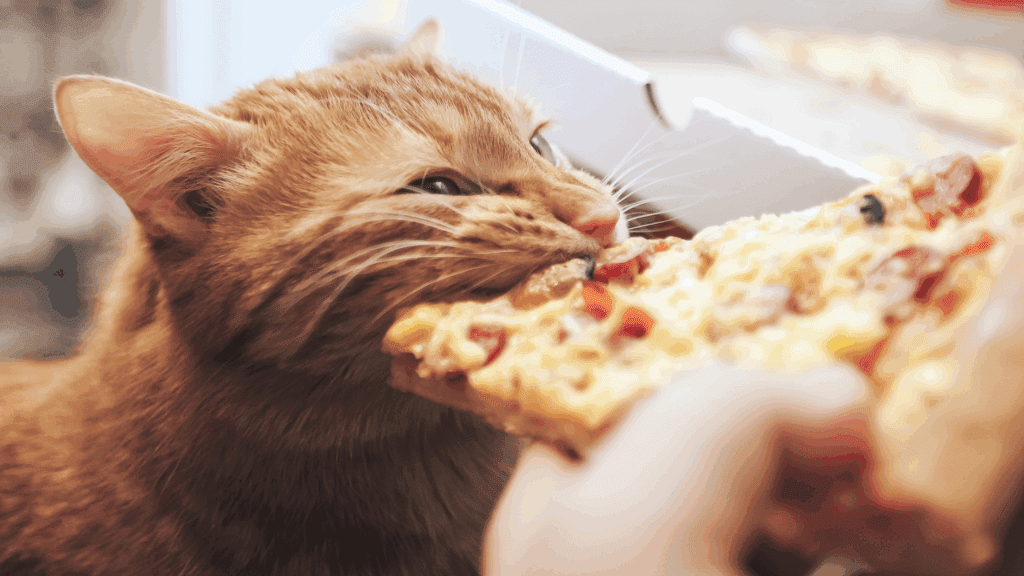
Have you ever noticed how quickly your cat appears when you open the fridge? Cats have an extraordinary sense of smell — far more sensitive than ours — and cheese emits a rich, fatty aroma that triggers their hunting instincts. Its creamy or crumbly texture adds to the allure, inviting curious nibbles.
But here’s the catch: while cheese seems irresistible, cats aren’t naturally drawn to dairy because of its nutritional value. They’re responding to the fat and protein content, which resemble the components of prey they’d hunt in the wild. Cheese is like a fast-food burger for cats — delicious, but not exactly health food.
Is Cheese Safe for Feline Consumption?
Cheese occupies a middle ground between safe and risky for cats. It’s not inherently poisonous, but it isn’t designed for their digestive systems either. A few crumbs of plain cheese won’t harm most healthy cats, but larger servings or frequent snacks can spell trouble.
Veterinarians often recommend limiting cheese to special occasions, such as when you need to disguise medication. Even then, portion size and type of cheese matter a lot.
The Science Behind Lactose Intolerance in Cats
When kittens are born, they produce lactase, an enzyme that breaks down lactose (milk sugar) so they can digest their mother’s milk. As they grow, most cats lose much of this ability. Without lactase, lactose moves through the digestive tract undigested, fermenting in the gut and causing gas, cramping, or diarrhea.
| Age Group | Lactose Tolerance | Notes |
| Kittens | High | Designed to digest milk |
| Adults | Low | Many become lactose intolerant |
| Seniors | Very Low | Older cats often struggle with even tiny amounts |
Types of Cheese and Their Effects on Cats
The type of cheese you offer your cat makes a big difference.
Soft Cheeses: Brie, Cream Cheese, Camembert
Soft cheeses are high in moisture and fat but also tend to carry more lactose. A lick of cream cheese may seem harmless, but it could leave your cat with an upset stomach later.
Hard Cheeses: Cheddar, Parmesan, Swiss
Hard cheeses have less lactose because of the aging process. A pea-sized piece of cheddar or parmesan is generally less risky but still rich in calories and salt.
Processed Cheese: Slices and Spreads
Processed cheeses often contain preservatives, emulsifiers, and extra sodium. They’re not a healthy option for cats and should be avoided entirely.
Health Benefits of Cheese for Cats (If Any)
Cheese contains nutrients like protein, calcium, and vitamin B12. While these are essential for cats, they already get them from a balanced, meat-based diet. Cheese doesn’t provide unique health benefits, but it can be helpful for:
- Hiding pills or supplements inside a soft cheese ball.
- Sparking interest in a picky eater’s food.
- Offering a novel reward for training.
Remember, any benefits disappear if your cat experiences digestive upset.
Potential Risks of Feeding Cheese to Cats
Cheese’s risks outweigh its benefits for many cats:
- Digestive problems: Lactose can trigger bloating, gas, or diarrhea.
- Weight gain: Cheese is calorie-dense, which can lead to obesity if fed too often.
- Pancreatitis: In rare cases, fatty foods can inflame the pancreas.
- Kidney stress: Cheese’s high sodium content can strain feline kidneys over time.

How Much Cheese Can Cats Safely Eat
A good rule of thumb is to treat cheese as a rare indulgence, not a regular snack. Keep servings to a pea-sized piece once or twice a week, and always observe your cat for reactions.
Alternatives to Cheese for Treating Cats
Want to spoil your cat without risking tummy troubles? Try:
- Cooked chicken or turkey pieces.
- Freeze-dried salmon or shrimp.
- A small portion of plain scrambled egg.
- Commercial cat treats tailored for their digestion.
These alternatives satisfy your cat’s craving for something special while providing better nutritional value.
Signs of Dairy Intolerance in Cats
If your cat sneaks some cheese or you offer a bite, look for these signs of trouble:
| Symptom | Likely Cause |
| Diarrhea | Lactose intolerance |
| Vomiting | Overindulgence |
| Gas & bloating | Gut fermentation |
| Fatigue | Discomfort after eating |
Any of these symptoms suggest that cheese isn’t right for your pet.
Cheese in Commercial Cat Treats
Cheese-flavored treats exist, but most use dairy substitutes or specially processed cheese with little or no lactose. Always check labels to ensure there are no harmful additives like onion or garlic, which are toxic to cats.
Vet-Recommended Tips for Offering Cheese
- Stick to aged cheeses with lower lactose levels.
- Keep portions minimal — think crumb, not cube.
- Never give cheese with added herbs, spices, or garlic.
- Skip cheese entirely if your cat has pancreatitis, obesity, or kidney disease.
Fun Ways to Serve Cheese as an Occasional Treat
If your vet gives the green light, make cheese fun:
- Roll a minuscule ball of cheddar and let your cat bat it around before eating.
- Sprinkle grated parmesan over wet food for a rare treat.
- Use a sliver of cream cheese to disguise a pill — just don’t make it a daily habit.
Pros and Cons of Cheese for Cats
| Pros | Cons |
| High in protein and calcium | May upset digestion |
| Helpful for giving medicine | High in fat and calories |
| Cats enjoy its taste | Can strain kidneys due to salt |
Conclusion
So, can cats eat cheese? They can, but sparingly — and only if they tolerate it. Cheese isn’t part of a healthy feline diet, but in very small amounts, it can be a handy tool or a once-in-a-while reward. Remember, your cat’s health depends on a balanced, meat-based diet. When in doubt, skip the cheese and stick to snacks designed with your cat’s well-being in mind.
FAQs
1. Can kittens eat cheese?
Kittens digest lactose better than adults, but cheese still isn’t an ideal food for them. Focus on high-quality kitten food for proper nutrition.
2. Is cheese harmful to senior cats?
Yes, older cats are more prone to digestive upset and kidney issues, making cheese a poor choice for them.
3. What should I do if my cat eats too much cheese?
Monitor for vomiting, diarrhea, or bloating. Offer fresh water and contact your vet if symptoms last over 24 hours.
4. Are lactose-free cheeses safer for cats?
They reduce the risk of stomach upset but still carry high fat and salt levels. Use caution.
5. Can cheese help with giving cats medicine?
Absolutely! Wrapping a pill in a tiny piece of soft cheese is a common way to make medication time easier.
